On September 7, 1876, eight hardened outlaws rode into the quiet mill town of Northfield, Minnesota. They figured it would be an easy score. Ten years after the Civil War ended, the James-Younger Gang had built a terrifying reputation across the American Midwest by robbing banks and trains without much resistance. But arrogance kills. In just seven chaotic minutes, local townspeople turned the tables on America's most notorious outlaws, effectively destroying the gang and leaving behind physical relics that tourists still gawk at 150 years later.
If you want to understand how a botched robbery shaped an entire community's identity for a century and a half, you have to look past the Hollywood myths. Let’s break down what actually happened on that sunny afternoon and why the raid went so catastrophically wrong.
The Plan That Seemed Foolproof
The gang didn't just stumble into Northfield by accident. Earlier that week, Jesse and Frank James, alongside Cole, Bob, and Jim Younger, plus Clell Miller, Bill Chadwell, and Charlie Pitts, scouted several towns across Minnesota. They checked out banks in Mankato, St. Peter, and Red Wing before settling on the First National Bank of Northfield.
The outlaws split up as they entered town around 2:00 p.m. Three men—Frank James, Charlie Pitts, and Bob Younger—walked right into the bank. The other five took up tactical positions on the streets outside to control the square.
Back then, banks didn't have electronic security or federal deposit insurance. If a bank got cleaned out, the entire town went down with it. The outlaws expected complete submission. Instead, they ran into stubborn Midwestern grit.
Seven Minutes of Pure Chaos
Inside the bank, acting cashier Joseph Lee Heywood found a pistol pointed at his temple and a bowie knife at his throat. The robbers demanded he open the safe. Heywood didn't flinch. He told them the safe was secured by a time lock and couldn't be opened.
It was a brilliant bluff. The safe was actually unlocked, but Heywood's defiance bought precious time. As the frustrated outlaws wrestled with him, the town outside woke up to the danger.
Local hardware merchant J.S. Allen realized something was terribly wrong as he walked past. He yelled out a warning to his neighbors: "Get your guns, boys, they're robbing the bank!"
That single shout changed everything. Residents didn't cower indoors; they grabbed hunting rifles, pistols, and even rocks, opening fire from upper-story windows and shop doorways. Henry Wheeler, a local medical student home for the summer, grabbed a gun and shot gang member Clell Miller dead from across the street. Another local marksman killed Bill Chadwell and shot Bob Younger's horse out from under him.
Realizing they were walking into a slaughterhouse, the bandits inside panicked. Before fleeing empty-handed—getting away with a measly $26.70 while ignoring $15,000 sitting right in the vault—Frank James shot Joseph Lee Heywood in the head. The entire gunfight lasted barely seven minutes, but the fallout lasted generations.
The Relics Left Behind
The fleeing bandits scattered, triggering the largest manhunt in United States history at that time. Jesse and Frank James managed to slip away back to Missouri, but the rest of the gang wasn't so lucky. Possees tracked the remaining outlaws into a swamp near Madelia, Minnesota, where a final shootout led to the death of Charlie Pitts and the capture of the wounded Younger brothers.
Because of the suddenness and violence of the event, physical pieces of the raid remained scattered across Northfield like dark artifacts. To this day, the town preserves bizarre relics from that afternoon:
- A long linen duster coat dropped by an outlaw during the frantic escape.
- A battered leather saddle used in the raid.
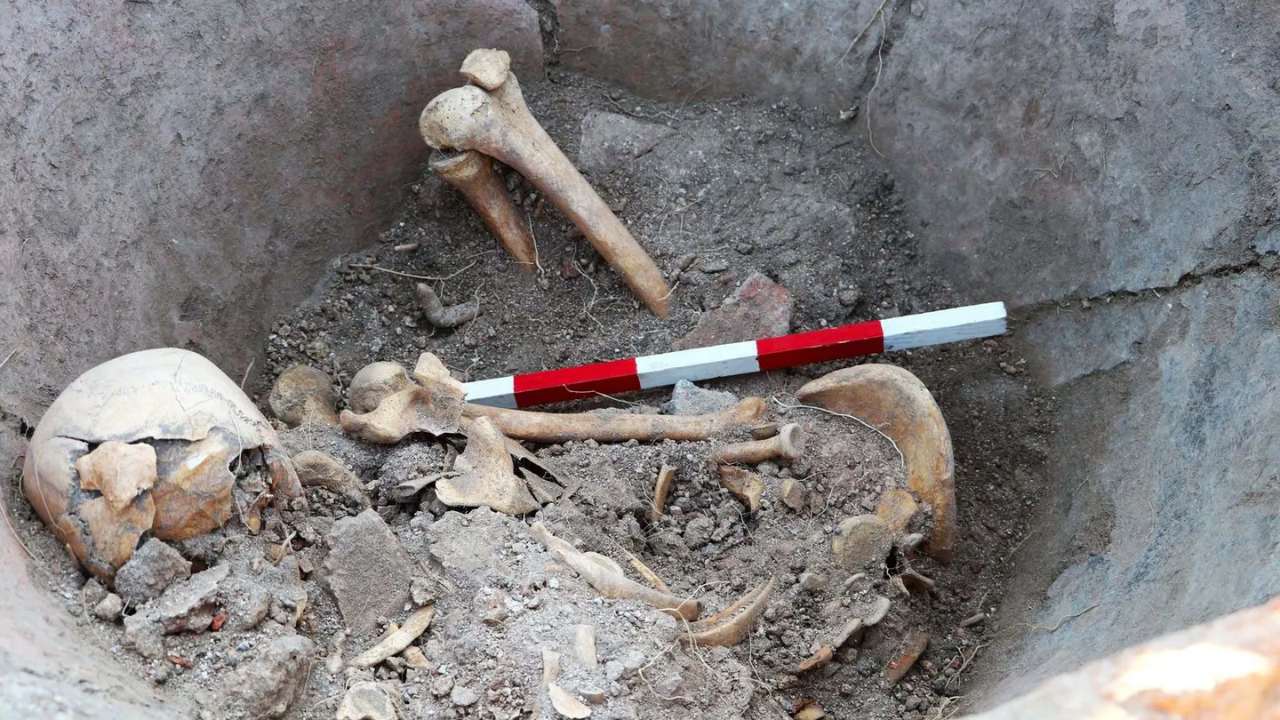
- Even stranger, medical preservation led to parts of a dead gang member's remains ending up as part of local historical archives.
Instead of sweeping the bloody episode under the rug, Northfield leaned hard into its history. Every September, the town hosts the Defeat of Jesse James Days festival, complete with historical re-enactments right outside the original First National Bank building. Tourists still visit the museum to stare at the vault door that Joseph Lee Heywood gave his life to protect.
What History Teaches Us About the Raid
People often romanticize outlaws of the Old West as daring folk heroes, but the Northfield raid exposes the ugly reality of violent crime. The James gang weren't modern Robin Hoods taking from corrupt corporations; they were ex-Confederate guerrillas who terrorized ordinary working people. Heywood left behind a grieving widow and daughter, and the community nearly collapsed financially before outside banks rallied to create a support fund.
If you ever find yourself driving through southern Minnesota, stop by Northfield. Walk down Division Street, look up at the windows where local shopkeepers made their stand, and step inside the museum to see how a community stood its ground against America's most feared outlaws. It's a sharp reminder that when ordinary people refuse to back down, even legends can fall.