You'd think we'd have found every cat on the planet by now. We haven't. Deep in Bolivia's misty cloud forests, scientists just identified a brand-new wild cat species named Leopardus tilcayo, marking the first time in over a century that a new living feline species has been formally described and named from scratch.
If you're wondering how a brand-new cat species flew under the radar for so long, the answer involves a mix of mistaken identity, remote terrain, and a guy who fed his "stray kitten" noodles and rice. Let's break down what's actually happening here, why this tiny predator matters, and what most mainstream reports miss about the discovery.
The Accidental Discovery That Started It All
Back in 2016, a man living near a forest in Bolivia found a tiny, strange-looking cat on a roadside. Thinking it was just a domestic kitten, he took it home and tried to raise it, feeding it random table scraps like noodles, rice, and eggs. About a year later, reality set in. The animal was clearly wild, untamed, and entirely unsuited for apartment life.
The owner surrendered the animal to the Senda Verde Wildlife Sanctuary. That is where Bolivian biologist Paola Nogales-Ascarrunz first encountered the cat.
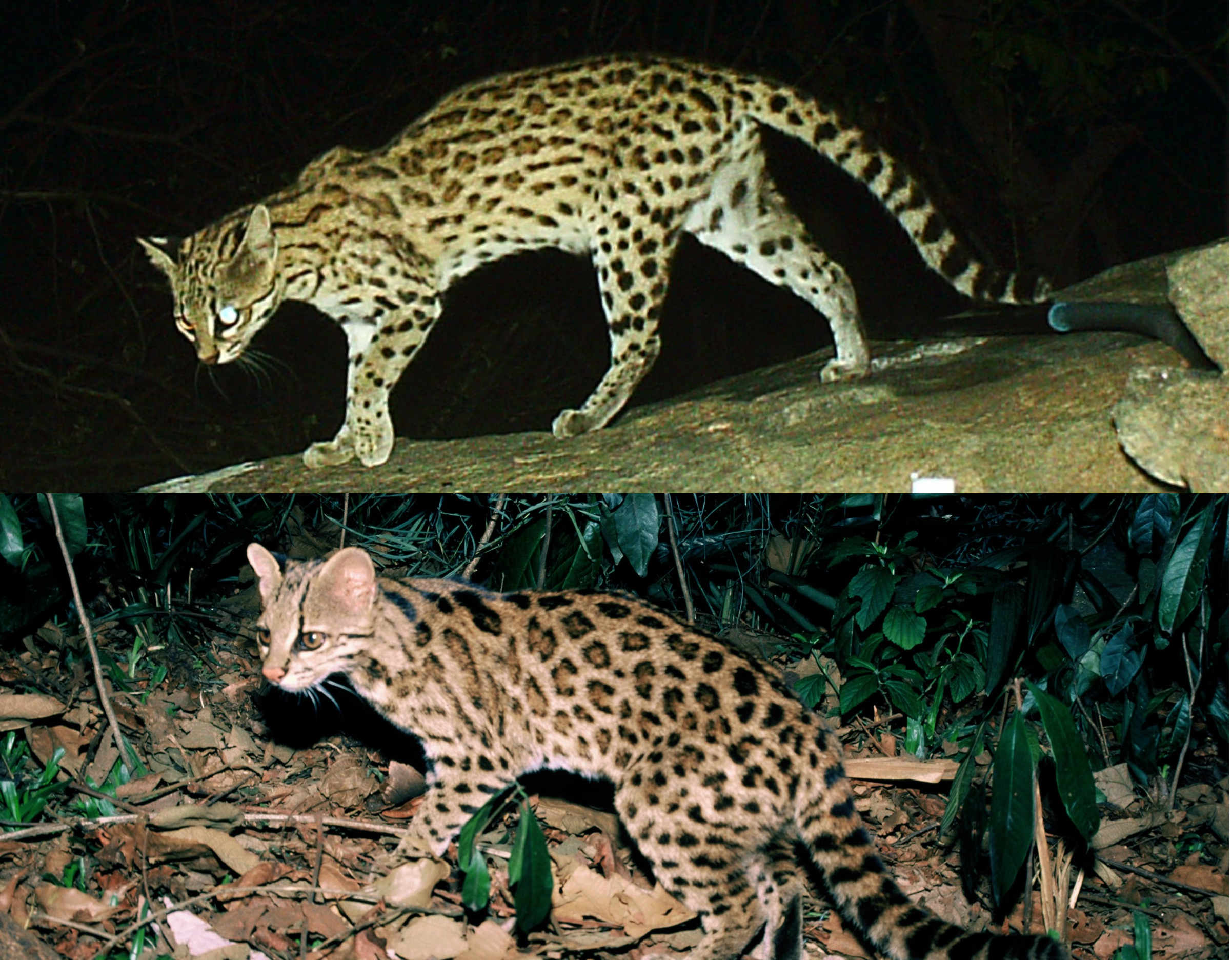
Nogales-Ascarrunz snapped dozens of photos, completely captivated by the animal's striking facial features, short rounded ears, long whiskers, and leopard-like spots. At first, she assumed it was a standard tiger cat (known scientifically as Leopardus tigrinus or the oncilla), a small South American wild cat species cataloged way back in 1775.
Years later, while putting together a reference booklet on Bolivia's native felines, Nogales-Ascarrunz pulled up her old photos and noticed something glaringly wrong. The rosettes on her sanctuary cat were massive compared to reference photos of tiger cats from Brazil.
She didn't brush it off. She teamed up with geneticist Eduardo Eizirik and researcher Jonas Lescroart to sequence the genomes of 38 cats across the Leopardus genus. The data proved her gut instinct was right. The animal wasn't a weird regional variant. It was an entirely separate species that split from other tiger cats roughly 1.4 million years ago.
Meet the Tilcayo Cat
Measuring a modest 18 inches long and weighing a featherlight 1.4 kilograms (about three pounds), the tilcayo is actually smaller than many domestic house cats. It boasts light-brown fur, a slender tail, and distinct rosettes splashed across its body.
Local communities in Bolivia's Yungas region—a steep, mountainous cloud forest where the Andes drop into the Amazon basin—have known about this animal for generations. They called it "tilcayo," a name passed down through families. Instead of slapping a Latin name derived from some European explorer onto the creature, the research team honored local tradition and named the species Leopardus tilcayo.
What do we actually know about how they live? Honestly, very little. Scientists have only examined two live individuals up close—including the 10-year-old male currently living out his days at the Senda Verde sanctuary—alongside a handful of camera-trap photos. Scat samples recovered from the wild suggest they hunt small rodents, and camera footage hints they prefer working the night shift.
Why This Rewrites the Cat Family Tree
For a long time, wildlife biologists treated tiger cats as a single, uniform species spread across Central and South America. That turned out to be lazy science.
Cryptic species—animals that look nearly identical to the untrained eye but possess vastly different genetic blueprints—frequently trick researchers. This latest genomic deep-dive officially blows the tiger cat group wide open. What scientists once thought was one animal is now recognized as a complex containing five distinct species, alongside newly detailed subspecies like Leopardus tigrinus antisuyo found in Peru.
This isn't just an academic exercise for people who like arguing about taxonomy. It has massive conservation stakes.
When you lump five different species into one big bucket, their overall population numbers look healthy on paper. Once you split them up, individual populations shrink dramatically on paper. Species like the tilcayo might actually be staring down severe extinction threats that were previously masked by bad data. The Yungas forest habitat where they live is heavily threatened by human encroachment, deforestation, and climate pressures.
What Happens Next
If you are hoping to spot a tilcayo on your next trip to Bolivia, forget it. They are intensely elusive, nocturnal, and live in rugged cloud forests that are notoriously difficult to survey.
Researchers plan to scour museum archives and deploy more camera traps across unmapped regions of South America to figure out the true boundaries of these cats.
Stop assuming we've mapped every corner of the natural world. Go look closer at the data we already have, because nature is still hiding major surprises right in plain sight.