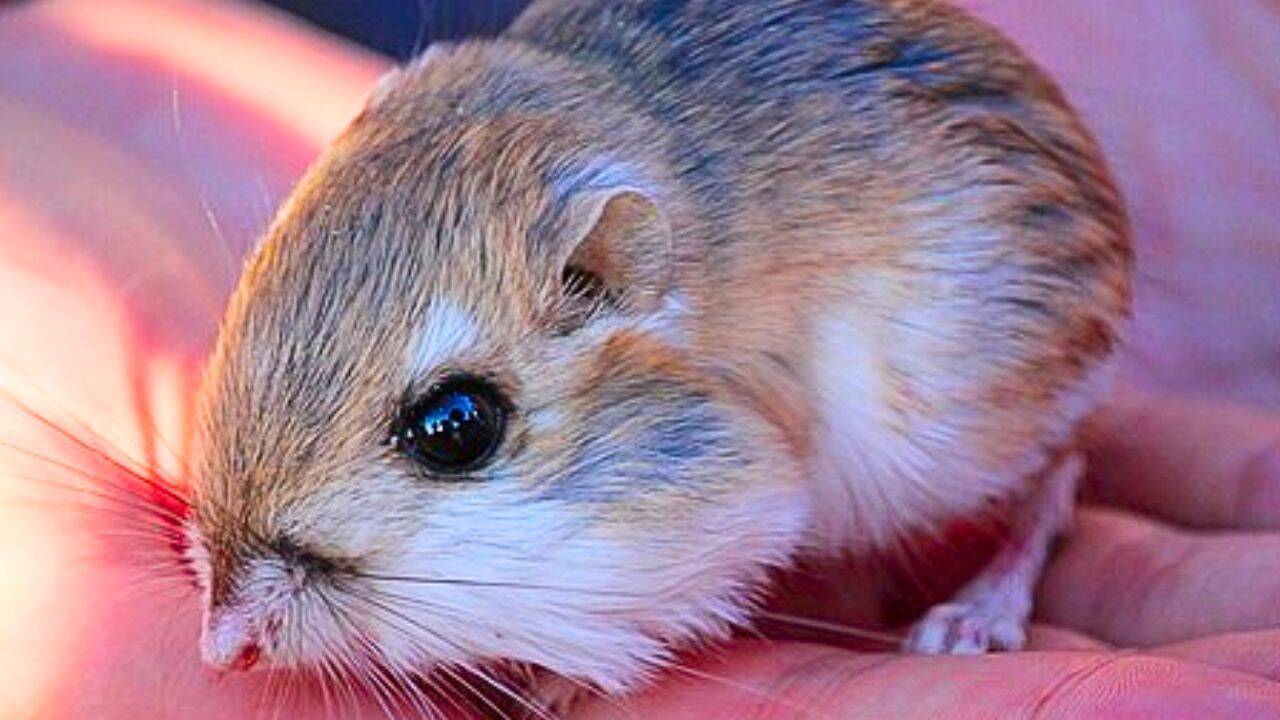
You wouldn't expect a rodent weighing just a few ounces to dictate the entire visual identity of a desert ecosystem. Yet, field research running from 1977 through 1990 in the Chihuahuan Desert proved that kangaroo rats hold the blueprint for local plant life. When scientists physically barred three kangaroo rat species from experimental desert plots for over a decade, the landscape didn't just adapt—it transformed entirely.
If you assume small desert rodents are mere background characters in a harsh ecosystem, you're missing how heavily entire biomes rely on keystone animals. Let's look at what actually happened during this long-term exclusion study and why it changes how ecologists view arid habitats.
The 13-Year Chihuahuan Desert Experiment
Ecologists wanted to know what happens when you pull a key species out of its natural habitat and leave the system to run on its own. Between 1977 and 1990, researchers set up fenced plots in the Chihuahuan Desert—a region sitting along the natural transition zone between desert scrub and grassland. They excluded three specific species of kangaroo rats to track the long-term fallout.
Short-term studies miss the big picture. Seasonal weather spikes or sudden dry spells mask underlying ecological pressures. By running the experiment for 13 solid years, researchers captured biological shifts that take decades to unfold.
Why the Grass Took Over
The most striking result of the exclusion experiment was a massive surge in grass abundance. Two specific grasses exploded across the plots where kangaroo rats were missing:
- Aristida adscensionis, a tall annual grass.
- Eragrostis lehmanniana, a perennial bunchgrass.
Why did this happen? Researchers pointed to two primary mechanisms working together. First, the absence of kangaroo rats meant significantly less soil disturbance. These rodents constantly dig, scratch, and turn up dirt. Without that mechanical disruption, seed beds settled differently.
Second, kangaroo rats are seed predators. They eat massive quantities of large seeds to survive. When you remove them, those larger seeds sit in the soil unmolested, sprouting into thick patches of grass instead of getting digested. Less digging plus fewer seed-eating mouths equals a grassland takeover.
The Domino Effect on Other Desert Wildlife
Nature doesn't operate in isolated bubbles. Once the plant cover shifted from sparse desert scrub to dense grass patches, the ripple effects hit other animals.
Other rodent species in the area completely changed their foraging patterns and habitat choices. Foraging birds also altered how they used the plots, responding directly to the new vegetation structure. When you pull out a small rodent that shifts soil and eats seeds, you end up rewriting the local real estate market for every other creature sharing that patch of dirt.
What Plant Groups Responded Differently
Not every plant group reacted to the rodent ban in the same way. Summer annual dicots showed greater species diversity in plots where kangaroo rats stayed put. That pattern matches classic keystone predator models, where animal activity keeps dominant plants in check and allows a wider variety of smaller species to survive.
However, winter annual dicots didn't flinch. The experiment showed zero impact on their species diversity. This means removing kangaroo rats threw certain parts of the plant community into chaos while leaving others untouched. Ecological systems are rarely uniform, and messy data usually points to complex, multi-layered truths rather than clean, one-size-fits-all rules.
What This Teaches Us About Desert Conservation
We often think conservation means leaving land completely alone and putting a fence around it. But this 13-year experiment proves that removing a native animal can disrupt an ecosystem just as severely as introducing an invasive one. Kangaroo rats aren't pests to be managed out of existence; they're ecosystem architects.
If you're studying arid land management or trying to restore degraded grasslands, pay attention to the small mammals. Ignoring them means missing the underground engineers holding the entire landscape together.