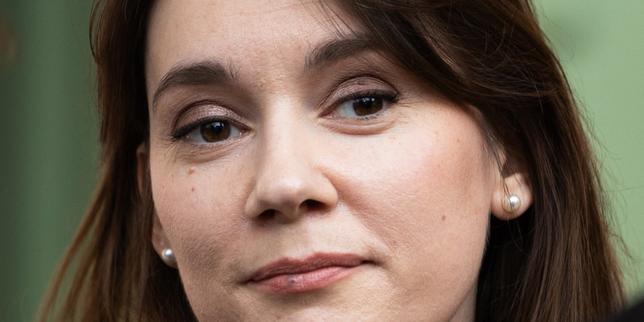
When the French state issues an expulsion order against a prominent foreign media figure, you expect silence or a swift exit. Xenia Fedorova chose a different playbook. The former head of RT France and current CNews regular didn't vanish into the diplomatic shadows. Instead, she engineered a high-stakes public spectacle from abroad, proving that digital borders mean nothing when television networks are willing to keep the microphone live.
The entire saga exposes deep structural fractures in how European democracies police information security. Let's look at what actually happened and why this case matters far beyond a simple visa dispute.
The Anatomy of an Exile Strategy
Fedorova’s trajectory from managing a state-funded Moscow broadcaster in Paris to becoming a lightning rod on French conservative talk shows is a masterclass in media resilience. When the European Union shut down RT France in the wake of the 2022 invasion of Ukraine, many assumed her career on European airwaves was over.
They miscalculated.
Fedorova pivoted smoothly into the Bolloré media ecosystem, appearing regularly across outlets like CNews and Europe 1. She framed herself not as an agent of foreign influence, but as a martyr for free expression. When French authorities finally moved to expel her, citing threats to fundamental national interests, her response was immediate and calculated. She didn't retreat from public life. She took her commentary international, continuing to broadcast back into French living rooms via videoconference.
This is not a traditional political exile. It is an active, cross-border media campaign.
Why Traditional Regulation Fails
European regulators face an impossible bind. On one hand, governments want to clamp down on channels that echo Kremlin talking points regarding the war in Ukraine. On the other hand, commercial networks hide behind the shield of pluralism and free speech.
- The Loophole: Banning a physical entity like RT France does not stop individual commentators from renting studio space or appearing remotely.
- The Audience Effect: Every time politicians call for sanctions or protests erupt outside studio doors, the controversy amplifies the broadcast.
- The Narrative Control: Fedorova skillfully turns administrative sanctions into proof that Western democracies are hypocritical about open debate.
Critics argue her appearances lack adequate factual pushback or robust journalistic contradiction. Defenders argue that silencing her creates a dangerous precedent. Both sides miss the core reality. Modern information warfare doesn't require physical presence in a country. It requires a platform willing to air the controversy, and television executives know that controversy drives ratings.
The Broader Impact on European Media
You cannot understand the Fedorova case by looking at her alone. She represents a stress test for European media sovereignty. When foreign nationals linked to state-controlled propaganda networks seamlessly transition into domestic cultural commentators, national security apparatuses collide directly with editorial freedom.
France’s attempt to deport her highlights the blunt tools governments use when digital and broadcast lines blur. Expulsion orders can remove a body from French soil, but they cannot delete a satellite feed or a remote video link.
The outcome sets a dangerous template for future information disputes. If foreign analysts can bypass physical expulsion through remote broadcasting, governments will have to rethink how they define national security in an interconnected media landscape. Until regulators develop frameworks that account for digital ubiquity, controversial figures will continue to turn their own expulsions into prime-time content.
Stop pretending traditional borders apply to modern broadcast networks.
Xenia Fedorova: "Everyone wants to avoid a nuclear war"
This video captures Xenia Fedorova live on air discussing geopolitical tensions and nuclear deterrence during her regular television appearances.