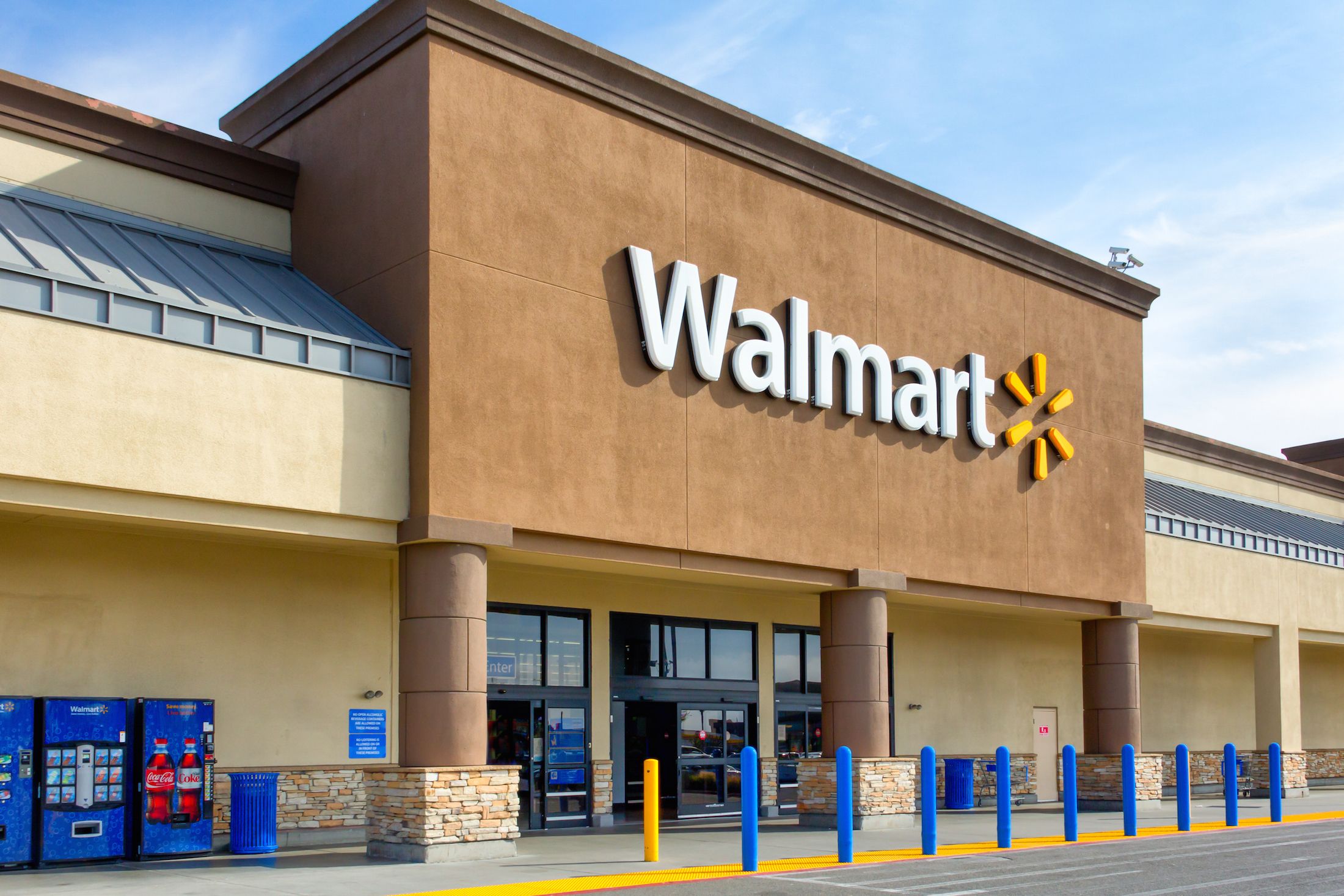
A $50 million check sounds like a heavy penalty until you realize it is pocket change for a retail giant raking in billions in net income every six months. Walmart just settled a high-stakes Department of Justice lawsuit accusing its nationwide pharmacies of illegally dispensing thousands of invalid opioid prescriptions. While headlines trumpet the multi-million dollar figure, the real story is how a massive federal case was whittled down to a rounding error.
Let's look at the facts. The DOJ and the Drug Enforcement Administration claimed Walmart violated the Controlled Substances Act by knowingly flooding communities with addictive painkillers. Pharmacists inside the retail chain had raised red flags for years, submitting thousands of "refusal-to-fill" forms directly to corporate compliance teams. Yet, the pills kept moving.
When a federal judge narrowed the scope of the original lawsuit, Walmart's legal leverage skyrocketed. What started as a sprawling threat of billions in federal penalties ended with a neat $50 million payout and no formal admission of liability. If you are wondering why big corporations rarely change their behavior after breaking public trust, look no further than this exact playbook.
What the Settlement Actually Demands
Money is only part of the equation here. Alongside the cash, Walmart signed a memorandum of agreement with the DEA. This side deal forces the company to overhaul some of its internal compliance mechanics.
- A dedicated whistleblower hotline for employees and patients to report shady dispensing patterns.
- Active electronic monitoring of prescription data to flag suspicious volume or repeat offenders.
- Tighter vetting processes for doctors writing high volumes of controlled substances.
On paper, these requirements look sharp. In practice, they are basic guardrails that any pharmacy chain should have deployed twenty years ago. The fact that the government had to force these protocols through a legal settlement shows just how loose corporate oversight was during the peak of the crisis.
Why This Differs From Past Settlements
People often confuse this recent federal action with Walmart's massive $3.1 billion nationwide settlement framework from a few years back. That earlier agreement was designed to settle sprawling civil litigation brought by state, local, and tribal governments.
This new $50 million resolution comes straight from federal prosecutors targeting direct Controlled Substances Act violations. It closes a specific chapter involving the DOJ, but it leaves plenty of questions open about how retail pharmacies balance corporate profit targets against public health safety. When store-level pharmacists face intense pressure to boost transaction speeds and metrics, safety checks tend to get squeezed out.
The Cost of Doing Business
Let’s be brutally honest. A $50 million fine translates to roughly 0.4% of a single strong half-year profit cycle for Walmart. It doesn't sting. It doesn't threaten the dividend. It is simply written off as a cost of doing business in a heavily regulated sector.
When legal penalties are priced into a corporate budget as minor operational expenses, deterrence stops working. True accountability requires leadership to face real structural risks, not a quiet transaction that clears the slate and allows business as usual to resume.
If you want to understand how corporate power operates in America today, study this case closely. The system works exactly as designed for the companies at the top. Keep an eye on how these new compliance hotlines function, but don't hold your breath for a fundamental shift in how retail giants prioritize risk.