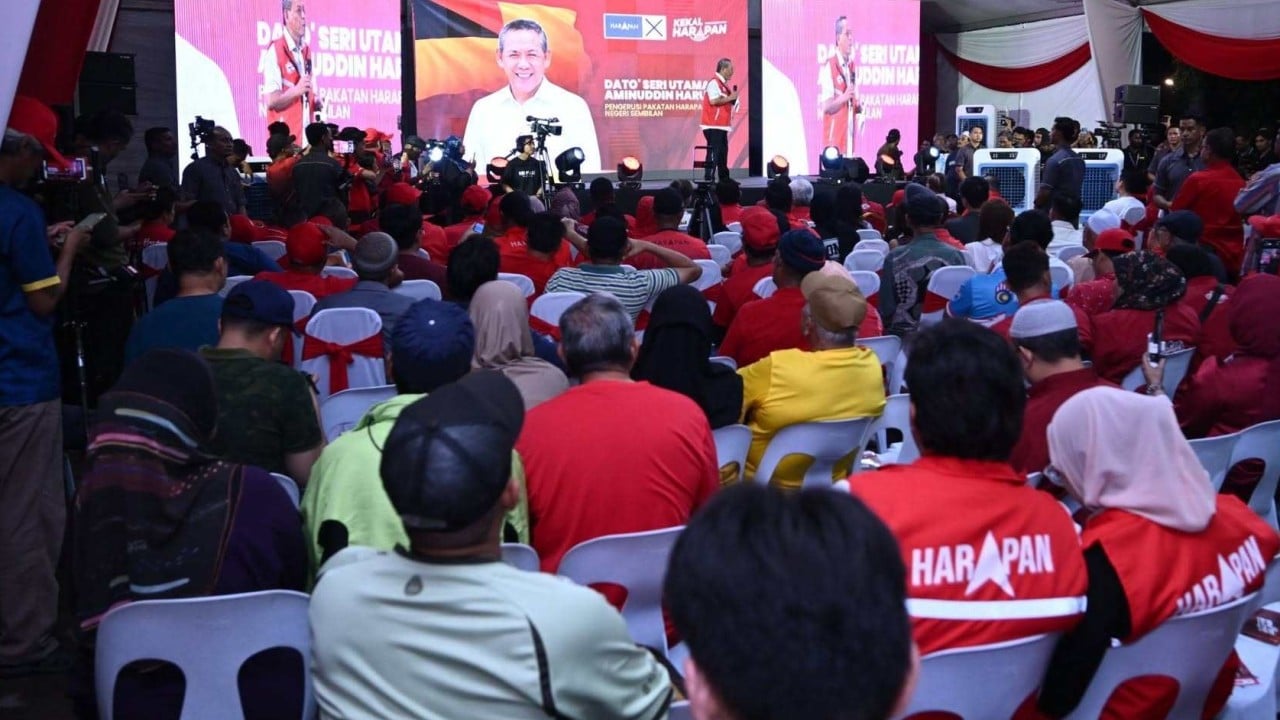
Election season in Malaysia often brings out more than just campaign banners and heated debates. It brings out the envelopes. Recent reports from the Negeri Sembilan state poll are a stark reminder that vote buying isn't just a relic of the past—it’s an active issue that still threatens the integrity of the ballot box.
As of July 2026, the Negeri Sembilan police are actively investigating multiple claims of electoral bribery. This isn't just about hearsay. Specific reports involve citizens receiving cash—sometimes in envelopes—alongside instructions on who to vote for. One complainant reported being handed RM300 by a group of men who even photographed his identity card to ensure compliance. Another incident involved video evidence of cash distribution at a public event.
The Problem with Loose Definitions
Politicians often try to blur the lines by calling these handouts "charity" or "alms." It’s a convenient excuse, but it doesn't hold water legally. According to the Election Offences Act 1954, giving cash or anything of value to influence a voter—regardless of how you label it—is bribery. Period.
Groups like Bersih have been shouting this from the rooftops for years. They maintain that the act of handing out money during an election period, whether by a candidate or a third party, is a clear-cut violation of Section 10 of the Election Offences Act. If you’re a voter, don’t fall for the "charity" narrative. It’s an attempt to buy your voice, not help you out.
Why This Keeps Happening
You might wonder why we’re still seeing these reports in 2026. The reality is that enforcement is only half the battle. While the police are currently investigating several papers under the Election Offences Act, the systemic issue remains the lack of a comprehensive Political Financing Act.
Without clear, strict laws on how parties raise and spend money, the "gray areas" remain wide open. Politicians rely on these loopholes to bypass accountability. They know that proving direct correlation between a cash handout and a specific vote is notoriously difficult in court. Investigations take time. By the time a case moves through the legal system, the election is long over, and the political landscape has already shifted.
The Real Cost of a Stolen Vote
When you hear about people getting RM300 for their vote, it’s easy to focus on the immediate cash. But think about what you're actually trading away. That small amount of money is meant to silence your influence on the next few years of state policy, infrastructure spending, and public services.
It’s an insult to your intelligence. You deserve a system where your vote isn't treated like a commodity on the shelf.
What You Can Do
If you see something, say something. It sounds like a cliché, but it’s the only way to build pressure for real reform. If you witness cash distribution or suspicious activity:
- Record it if it's safe. Digital evidence is becoming more crucial in these investigations.
- Report it to the authorities immediately. The police and the Election Commission are the ones who can actually open an investigation paper.
- Stay skeptical of handouts. If someone is offering you money for your support, ask yourself why their platform isn't strong enough to win your vote on its own merit.
Elections shouldn't be about who has the deepest pockets or the most envelopes to hand out. They should be about the future of the state. Until we get tighter laws on political financing and consistent, aggressive prosecution of these offences, keep your eyes open. Democracy is a participation sport, and right now, the rules are being stretched to the limit.
Don't let a few hundred ringgit dictate the future of your community. Stay informed, stay vigilant, and demand better from those asking for your vote.