Seventy-five years is a long time in geopolitics. Empires crumble, borders shift, and alliances quietly rot away. Yet, the Mutual Defense Treaty signed between Washington and Manila back in 1951 keeps ticking.
Right now, military chiefs from both nations are meeting in Quezon City to celebrate this milestone. Admiral Samuel Paparo and General Antonio Nafarrete just signed a fresh blueprint for joint operations. But beneath the handshakes and medals, a blunt question remains. Can Washington actually stay the course?
The South China Sea isn't getting any calmer. Beijing keeps pushing maritime boundaries. Philippine vessels face water cannons and aggressive maneuvers on a regular basis. Meanwhile, Washington juggles conflicts in Europe and the Middle East. People wonder if American attention will wander.
What the Treaty Actually Does
Most casual observers think defense pacts mean automatic war if someone gets punched. That's not how it works.
The 1951 text requires both countries to act to meet common dangers if an armed attack hits public vessels, aircraft, or armed forces in the Pacific. For decades, politicians treated this agreement as diplomatic wallpaper. Bases closed. Joint patrols slowed down. Manila looked inward while Beijing built artificial islands across contested reefs.
That era is gone.
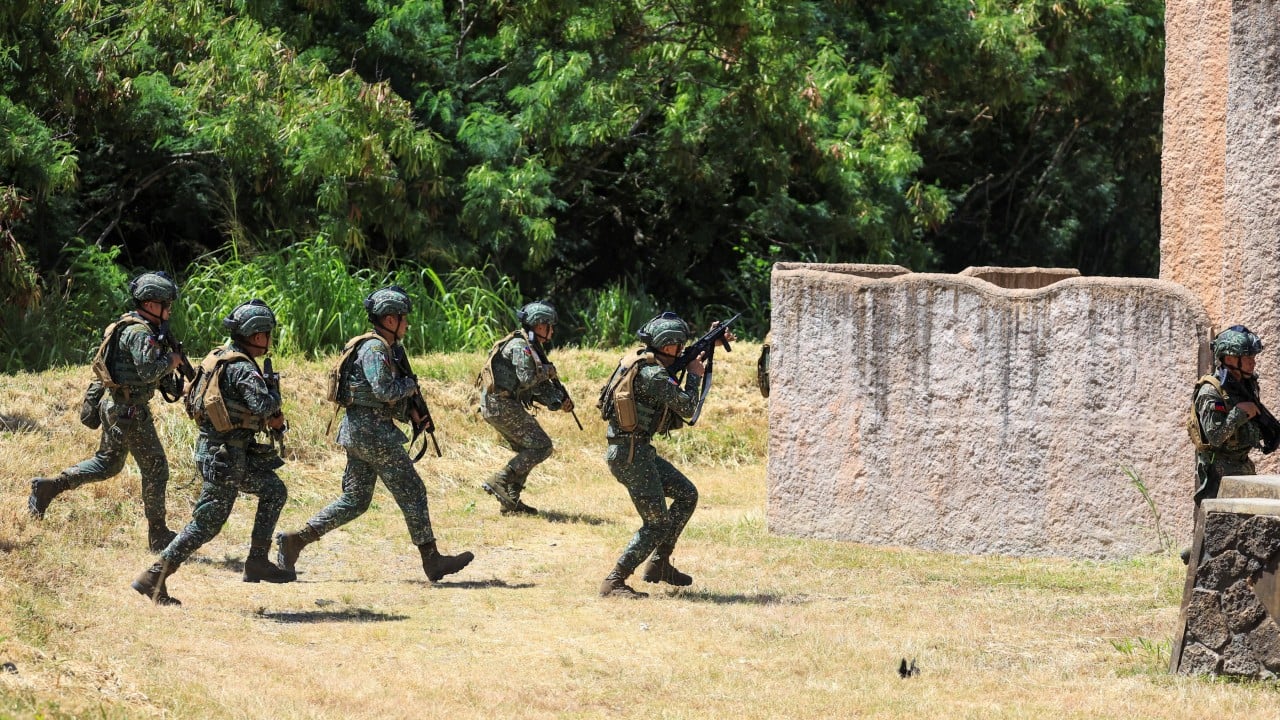
Recent military exercises like Balikatan brought seventeen thousand troops together. It wasn't just a two-nation drill anymore. Australian, Japanese, and French forces joined the mix. Washington also poured over a hundred million dollars into infrastructure upgrades for Enhanced Defense Cooperation Agreement sites.
The Real Test of Endurance
Skeptics argue that American political shifts threaten long-term reliability. Domestic policy changes in Washington always raise eyebrows abroad. But alliance architects point out that institutional cooperation runs deeper than individual administrations.
The Bilateral Strategic Dialogue framework keeps moving forward regardless of who sits in the White House. Look at the numbers. More than five hundred joint engagements and defense exchanges happen annually now. That is a massive operational footprint.
Manila isn't sitting back either. Under President Ferdinand Marcos Jr., the Philippine government has taken a much louder stance against territorial encroachment. They aren't hiding behind quiet diplomacy. They're publicizing every single collision and blockade at sea.
Beyond the Gray Hulls
Military hardware only tells half the story. Economic security is quietly driving the next phase of this partnership.
Supply chain resilience matters just as much as missile defense. Both governments launched initiatives like the Luzon Economic Corridor to boost infrastructure and commercial ties. Critical minerals agreements are replacing pure defense stockpiles. If you want a lasting alliance, you need shared economic skin in the game.
Still, risks loom large. A flashpoint near Taiwan would immediately drag the Philippines into a wider conflagration. Philippine geography places it squarely at the crossroads of potential superpower friction.
Washington has promised an ironclad commitment. Manila keeps testing that promise by standing its ground. Seventy-five years down, the real stress test starts now.