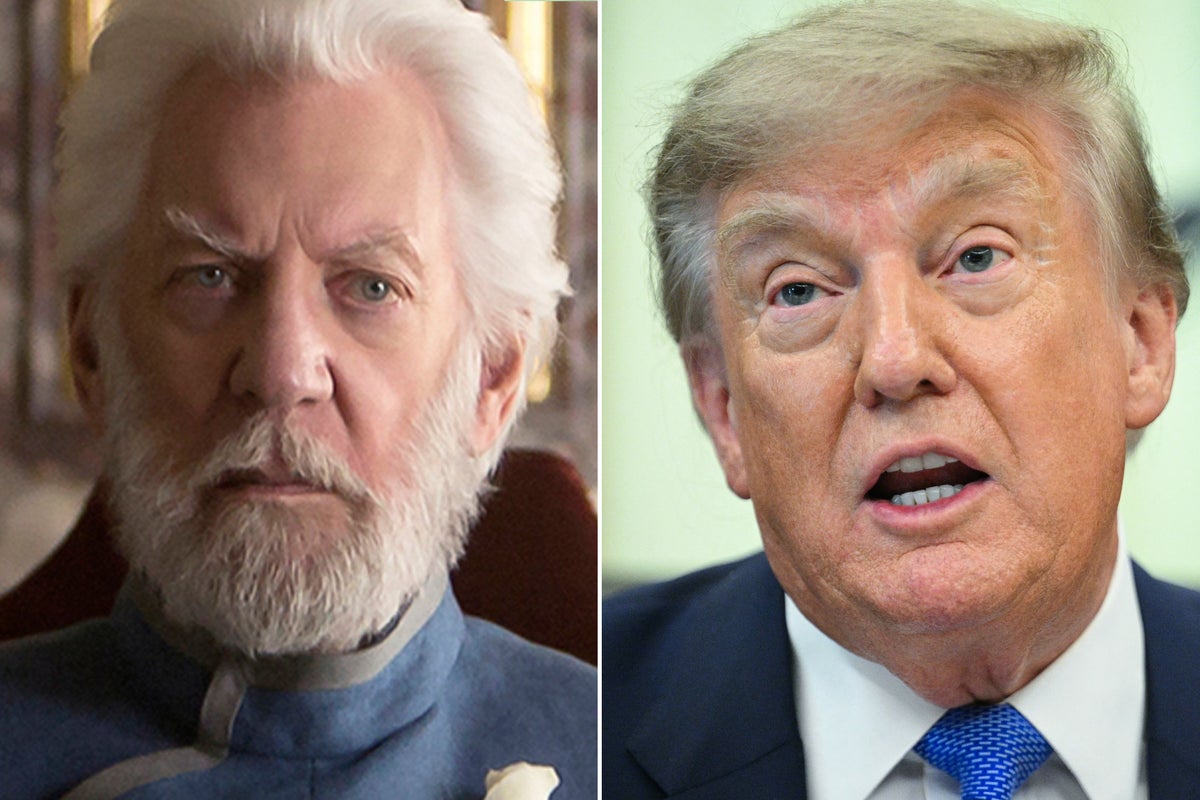
When the White House announced the "Patriot Games" as part of the Freedom 250 celebrations, the internet didn't take long to draw dystopian parallels. Picture a high school athletic tournament bringing together two teenagers from every state and territory to compete in Washington, D.C., all for a $250,000 scholarship prize. To critics and online satirists, the setup immediately evoked Suzanne Collins' The Hunger Games or a high-stakes broadcast of American Gladiators.
Instead of a measured rollout, the announcement collided directly with an explosion of artificial intelligence memes and deepfakes across social media. Let's look past the viral noise to understand what's actually happening and why this intersection of youth athletics, presidential branding, and generative media feels so jarring.
The Reality Behind the Freedom 250 Athletic Showcase
The Patriot Games weren't just a random talking point. They rolled out as a central piece of America's 250th birthday festivities, designed to highlight high school student athletes. Yet, actual implementation details revealed a chaotic scramble. Contestants chosen to represent states like Massachusetts expressed public confusion over how they were selected, while others admitted they had no clear idea what events they would actually face beyond a standard 100-meter dash.
When you look at how the event was handled on the ground in places like Geneva, Ohio, the messaging heavily leaned into personal political alignment. Competitors frequently thanked Donald Trump directly, weaving their athletic achievements together with public declarations of Christian faith.
This blending of state-sponsored youth sports with hyper-partisan pageantry is precisely what turbocharged the online backlash. When institutions treat national pride like a reality television casting call, the public reaction splits immediately into severe polarization or outright mockery.
The AI Meme Flood and Modern Political Discourse
The athletic tournament arrived during a broader wave where artificial intelligence and deepfake imagery became the default currency of political communication. When leaders flood platforms with dozens of AI-generated images and video game-styled montages in a single day, the line between serious policy and digital performance art vanishes.
Critics argue this gamification trivializes real stakes. When serious geopolitical conflicts or domestic initiatives are packaged like a Grand Theft Auto clip or a dystopian competition, nuance dies. You're left with a digital ecosystem optimized purely for dopamine hits, outrage metrics, and shares.
What You Can Do to Cut Through the Noise
Navigating a media environment saturated with political stunts and AI-generated content requires a deliberate shift in how you consume information.
- Check the primary sources: Don't rely on screenshots or viral TikTok edits. Look up actual documentation, such as the Freedom 250 organizing frameworks, to see what is officially planned versus what is internet exaggeration.
- Separate the athlete from the spectacle: Remember that the teenagers competing in these events are often caught in the middle of massive public relations machines. Keep your critique focused on institutional choices, not individual participants.
- Question the format: Whenever a political announcement feels engineered purely to spark a meme war, ask yourself what conversation it might be distracting you from.
Strip away the artificial intelligence imagery and the dystopian comparisons, and you are left with a traditional political strategy: wrapping partisan identity in the flag and youth sports. Recognizing that playbook is the best defense against getting swept up in the digital current.