You want a $5,000 check in the mail? President Donald Trump says you will get one, but there is a major catch.
You have to hand Republicans a clean sweep of the House and Senate in the upcoming midterm elections first.
Announced at the first-ever Republican Midterm Convention in Dallas, Texas, the proposed "Trump dividend" sounds like a massive cash windfall for American adults. It also sounds like a political lightning rod. While Trump is doubling down on the promise during campaign stops, many down-ballot Republican candidates are acting like the pledge does not even exist.
If you are trying to figure out what this proposal actually means for your wallet, let's look past the campaign slogans and break down the math, the political reality, and why your local GOP representative might not want to talk about it.
The Math Behind the Promise
Let's look at the numbers. The U.S. Census Bureau estimates there are roughly 245 million adult citizens living in the country. Handing each of them $5,000 carries a staggering price tag of about $1.2 trillion.
Trump has argued that the payout is easy to fund because the government is taking in trillions of dollars through incoming revenue and trade tariffs. Economists and fiscal watchdogs strongly disagree.
The Committee for a Responsible Federal Budget warned that a $1.2 trillion injection into the economy would massively explode the national debt, which recently crossed the $40 trillion threshold. Furthermore, conservative and liberal think tanks alike point out a glaring math problem. The total revenue projected from new tariffs over a decade would be entirely wiped out by these checks in one go.
If you pump over a trillion dollars of stimulus directly into consumer hands, what happens next? Prices spike. Inflation climbs. The Federal Reserve would likely have to hike interest rates right back up to cool off the sudden surge in consumer demand. You might get a check, but you'll pay more for groceries, cars, and mortgages.
Why GOP Candidates Are Giving It the Silent Treatment
If a $5,000 check is such a great selling point, why are so many Republican congressional candidates ignoring it?
Campaign strategists know that midterm elections are hyper-local affairs. Candidates running in tight suburban districts are focused on local cost-of-living concerns, crime, and housing affordability. Promising a trillion-dollar federal payout that looks a lot like a stimulus check doesn't fit neatly into a conservative platform historically built on fiscal restraint.
Look at the reactions from party leadership. House Speaker Mike Johnson offered a noncommittal response when reporters asked if Congress would actually push the checks through, noting that lawmakers need time to process the idea. Senate Majority Leader John Thune admitted he never even got a heads-up before Trump dropped the announcement on stage.
Some outspoken conservatives haven't hesitated to criticize the plan publicly. Former Representative Bob Good called it a socialist vote-buying scheme. Senator Rand Paul questioned how a massive cash distribution makes sense when the federal government is running deep annual deficits.
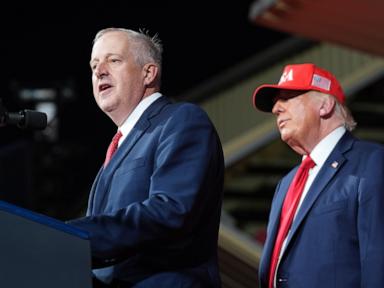
On the flip side, loyal allies like Ohio Senator Bernie Moreno jumped on board immediately, promising to draft a bill to get the dividend passed right after the election. Vice President JD Vance tried to reframe the target audience, suggesting the money would be aimed specifically at American middle-class workers rather than every single adult.
The History of Unfulfilled Payouts
If you feel like you have heard this movie before, you have.
Earlier in the administration, Trump and billionaire Elon Musk floated the idea of "DOGE dividend checks" funded by government efficiency savings. Those checks never arrived. Last November, Trump promised $2,000 dividend checks funded by sweeping global tariffs. That plan quietly stalled out after independent analysts pointed out the revenue wouldn't cover the cost.
Critics from the Democratic side have pounced on the $5,000 pledge as an illegal political bribe or an empty stunt designed to juice low voter turnout among conservatives. Representatives like Dan Goldman and Jamie Raskin argued that only Congress holds the constitutional power of the purse, making unilateral campaign promises legally dubious and politically manipulative.
Election law experts point out that Trump has a strong First Amendment defense when making broad policy promises on the campaign trail, but translating speech into legislation requires a functional congressional majority that currently seems deeply divided on the idea.
What You Should Do Right Now
Do not plan your household budget around a $5,000 check arriving this winter.
Even if Republicans retain control of both chambers of Congress on November 3, the legislative hurdles are immense. The proposal requires an act of Congress, committee hearings, floor debates, and fierce negotiations over the national debt.
Keep a close eye on your local congressional races instead of the national headlines. Pay attention to whether your specific candidates are endorsing the fiscal plan or sidestepping it entirely. That local silence tells you everything you need to know about the real-world chances of this policy becoming law.
Full Trump speech at RNC: Democrat midterm win would be 'tragedy,' $5,000 dividend vowed if GOP wins
This video provides a complete look at the Republican convention speech where the multi-thousand-dollar payout was first introduced to voters.
http://googleusercontent.com/youtube_content/1