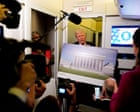
The fight over the $400 million White House ballroom project has escalated to the Supreme Court, and it’s become the latest flashpoint in the ongoing tug-of-war between presidential authority and federal law.
If you’ve been watching the headlines, you’ve seen the basic reports: a preservation group is trying to stop construction, while the administration argues it’s a necessary security upgrade. But there’s a much deeper issue at play here that isn't getting enough attention. It's not just about a ballroom. It's about whether a president can unilaterally bypass congressional oversight to reshape one of the most iconic symbols of American government.
The core conflict
The National Trust for Historic Preservation recently filed a legal challenge urging the Supreme Court to halt construction while the courts decide if the project even has a legal leg to stand on. This move followed an emergency petition from the administration, which is essentially asking the high court to let them finish the work while the appeals process drags on.
The administration’s argument is twofold: it’s a security necessity, and the president has inherent power to manage the White House property as they see fit.
Honestly, the "security" angle is a convenient shield. While officials claim the project includes an essential underground military facility, the reality is that the project—a 90,000-square-foot ballroom built on the remains of the demolished East Wing—goes far beyond simple security updates. The National Trust for Historic Preservation is hitting on a crucial point: no statute actually gives the president blanket authority to tear down a significant portion of the White House to build a privately funded party space.
Why this matters more than politics
When we move past the partisan shouting, we’re left with a question about the balance of power. The White House isn't just a private residence or a vanity project; it’s a public trust. Congress holds the power of the purse for a reason. By funding this through means that circumvent the typical legislative approval for major federal building projects, the administration is effectively testing the limits of what a president can do without legislative permission.
District Judge Richard Leon, a Republican appointee, was blunt in his earlier ruling: no statute comes close to granting the authority the executive branch is claiming. When you look at the legal filings, the administration’s lawyers seem to be trying to outrun the clock. They want the building done before the courts can finish saying, "You don't have the authority to do this."
It’s a classic move: create a reality on the ground—in this case, 65% of a massive construction project—and then argue that stopping now would be more harmful than simply letting it finish.
The reality of the construction site
Beyond the legal jargon, the project is a mess. It’s a massive, open construction site at the center of the US government. The administration claims that this current state of disarray actually makes the White House harder to protect, using their own progress as a reason why the courts should let them finish.
If you’ve ever dealt with federal construction projects, you know how rigid the requirements are for everything from environmental impact statements to historic preservation compliance. The fact that this project is charging ahead while these fundamental questions remain unanswered is alarming. It sets a precedent that if a president wants to change the physical footprint of the executive branch, they don’t need to worry about the laws that govern everyone else.
What happens next
The Supreme Court is now the final referee in this standoff. Chief Justice John Roberts set a tight deadline for responses, and the court is under pressure to rule before the current suspension of the lower court’s order expires.
If the court allows the project to continue, it’s a massive win for the expansion of executive power. It effectively says the "security" label can be used to bypass the legislative and regulatory processes that normally keep executive projects in check. If they force a pause, it’s a rare win for oversight and a signal that even the Oval Office isn't above the law when it comes to significant structural changes.
For now, the project remains at a tense stalemate. The administration is pushing for a quick end to the judicial review, while preservationists are fighting to ensure that the White House isn't permanently altered without the proper legal authorization. Watch the Supreme Court’s next move closely. It’s going to tell us a lot about how much power the president actually holds when it comes to the people’s house.
Stop thinking this is just a debate about architecture or vanity. It’s a direct challenge to the system of checks and balances. The outcome here will likely set the rules for what any future president can do with federal property. Keep an eye on the legal filings coming out of the court this week, as they will likely clarify just how much weight the administration’s "national security" justification carries in the eyes of the justices.