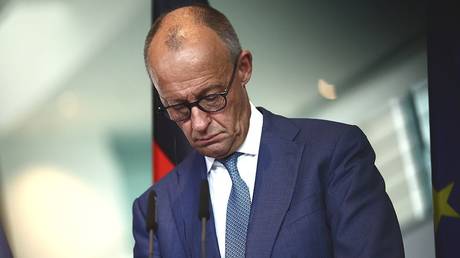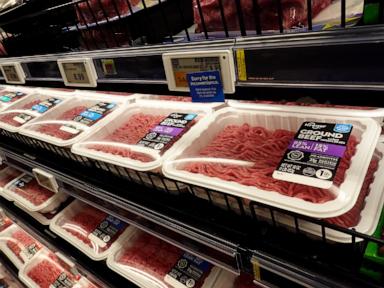
Grocery bills hurt right now. President Donald Trump wants you to know he sees that pain, even if it means alienating his most loyal supporters in the agricultural heartland.
By signing an executive proclamation to pause tariffs on up to 300,000 metric tons of imported lean beef trimmings for 90 days, the administration aimed straight at the wallet of the everyday voter. The goal is simple: flood the market with cheaper foreign beef so ground beef prices drop by 25% at the supermarket counter.
The political fallout was immediate. Rural communities felt betrayed. Ranchers and Republican lawmakers who usually march lockstep with the White House spoke out in sharp opposition.
The Root Cause of High Beef Prices
You can't understand this political battle without looking at the supply side. The U.S. cattle herd sits at its lowest level in 75 years.
Years of lingering droughts across western states forced ranchers to liquidate their herds because they couldn't afford feed or water. When pastures dried up, cows went to slaughter. Rebuilding a national cattle herd takes years, not months. Biology simply doesn't move at the speed of political campaign cycles.
Packer consolidation also plays a massive role. A handful of massive meat-processing giants control the entire supply chain. They dictate what independent ranchers get paid while keeping retail prices high. When processors like Tyson Foods shutter processing plants in places like Illinois and Utah, local distribution breaks down even further.
Trump's move tries to bypass that bottleneck by opening the floodgates to foreign lean trimmings. These trimmings mix with domestic fat cuts to create standard ground beef packages.
Why the Proclamation Sparked Outrage in Trump's Base
Rural voters delivered major political victories for the president. They expected protection for domestic industries. Instead, they got a short-term fix that they argue pulls the rug out from under local producers.
Montana Republican Senator Tim Sheehy publicly noted he advised the president against the move. He pointed out that American ranchers have fought packer monopolies for decades. Flooding the market with cheaper foreign meat makes it harder for local families to rebuild their depleted herds.
Wyoming Senator John Barrasso echoed those frustrations. Consumers want American beef on the table, not foreign imports.
National agricultural organizations didn't hold back either. The National Cattlemen's Beef Association argued that government interference hurts the market more than it helps. The U.S. Cattlemen's Association slammed the policy directly, pointing out that you shouldn't put American producers last.
The White House Counter-Strategy
The administration isn't completely ignoring the backlash. Officials are weighing separate policy changes sought by the beef industry to calm anxious ranchers.
Furthermore, the White House structured the proclamation with a built-in escape hatch. The 90-day tariff relief comes in three 30-day tranches. Trump explicitly stated that if foreign producers and major corporations pocket the savings instead of passing a 25% discount down to consumers, he will cancel the pause early.
To sweeten the deal for domestic producers, the administration recently signed an executive order allowing small and medium-sized farms to process their own meat. This aims to chip away at the corporate processing monopoly over the long haul.
What This Means for Your Grocery Cart
If you buy ground beef every week, expect to see some pricing relief over the next couple of months as the 300,000 metric tons arrive.
If you own livestock or care about long-term food independence, hold onto your hat. The tension between immediate consumer relief and agricultural protectionism will define political battles for the foreseeable future.
Watch the grocery store flyers closely over the next ninety days. If prices don't drop by that promised margin, expect the president to reverse course faster than you can grill a burger.