A small Texas firm with deep ties to the White House just turned down a massive $150 million federal payday. It sounds like the plot of a political thriller. Instead, it is the latest twist in the chaotic overhaul of legal representation for unaccompanied migrant children crossing into the United States.
The Burke Law Group, based in Houston, decided against taking the massive grant from the Office of Refugee Resettlement. The decision leaves federal authorities scrambling. It also leaves thousands of vulnerable minors caught in a high-stakes legal limbo.
If you want to understand why this matters, you have to look past the political headlines and examine how the machinery of immigration enforcement actually operates on the ground.
The Anatomy of a Sudden Reversal
When the administration announced plans to award the nine-figure contract to Burke Law Group, eyebrows shot up across the legal community. The firm has fewer than thirty lawyers on staff. Public records and its own website showed very little background in immigration law. Founder Marcella Burke served during the first Trump administration within the Environmental Protection Agency and the Department of the Interior. Other high-profile affiliates include conservative legal scholars and former federal appointees.
Critics immediately voiced alarm. Advocates argued that handing a massive sole-source contract to a politically connected firm with sparse immigration experience would jeopardize the due process rights of children facing deportation.
Then came the abrupt pivot. Burke published a brief statement noting it had only considered applying for a small fragment of the overall funding. Just like that, the administration's primary vehicle for replacing the old guard came to a screeching halt.
What Happens to the Kids in Court
Behind the administrative scramble are real human stakes. Under federal law, particularly the Trafficking Victims Protection Reauthorization Act of 2008, the government holds an obligation to ensure representation for unaccompanied minors.
Before this shakeup, a nationwide network coordinated by the Acacia Center for Justice handled roughly 24,000 children. About 1,800 lived in federal shelters, while thousands more lived with sponsors. That major contract expired at the end of July without an immediate renewal.
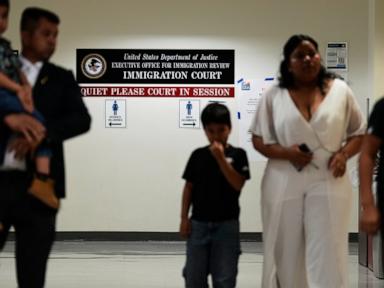
The fallout has been messy. The government issued a temporary $20 million stopgap contract to the U.S. Committee for Refugees and Immigrants to cover the gap through December. Attorneys from that group quickly appeared in immigration courts, sometimes surprising judges and sparking sharp pushback from outgoing legal providers who argued they still carried active ethical obligations to their young clients.
Meanwhile, federal judges have stepped into the fray. A California federal judge recently ordered the government to pay outstanding bills owed to the previous network of providers after months of payment freezes. Advocacy groups confirm that some back payments are finally trickling through, covering six out of nine months of overdue funds.
The Bigger Picture on Immigration Enforcement
This entire episode highlights a recurring friction point in modern governance. Transitioning massive federal operations from established non-profit networks to commercial or ideologically aligned private entities is never smooth. When specialized legal defense structures are dismantled overnight, the administrative friction hits the courts instantly.
Judges are left trying to figure out who actually speaks for a minor on the docket. Attorneys are forced to litigate payment arrears in federal court just to keep the lights on. And thousands of children navigate a complex deportation apparatus without a stable, experienced advocate by their side.
The Burke Law Group walked away from the table. The federal government still needs a long-term strategy for a massive caseload. Until a permanent solution emerges, the daily chaos in immigration courtrooms across the country will only accelerate.