You’ve probably heard the latest headline. Donald Trump, speaking at a rally in South Carolina, claimed he views the Strait of Hormuz as "American territory". It sounds bold. It sounds like a massive shift in foreign policy. But if you strip away the rally-stage bravado and the social media graphics, you’re left with a much simpler reality. It’s theater. Nothing more.
Why the Strait of Hormuz Matters
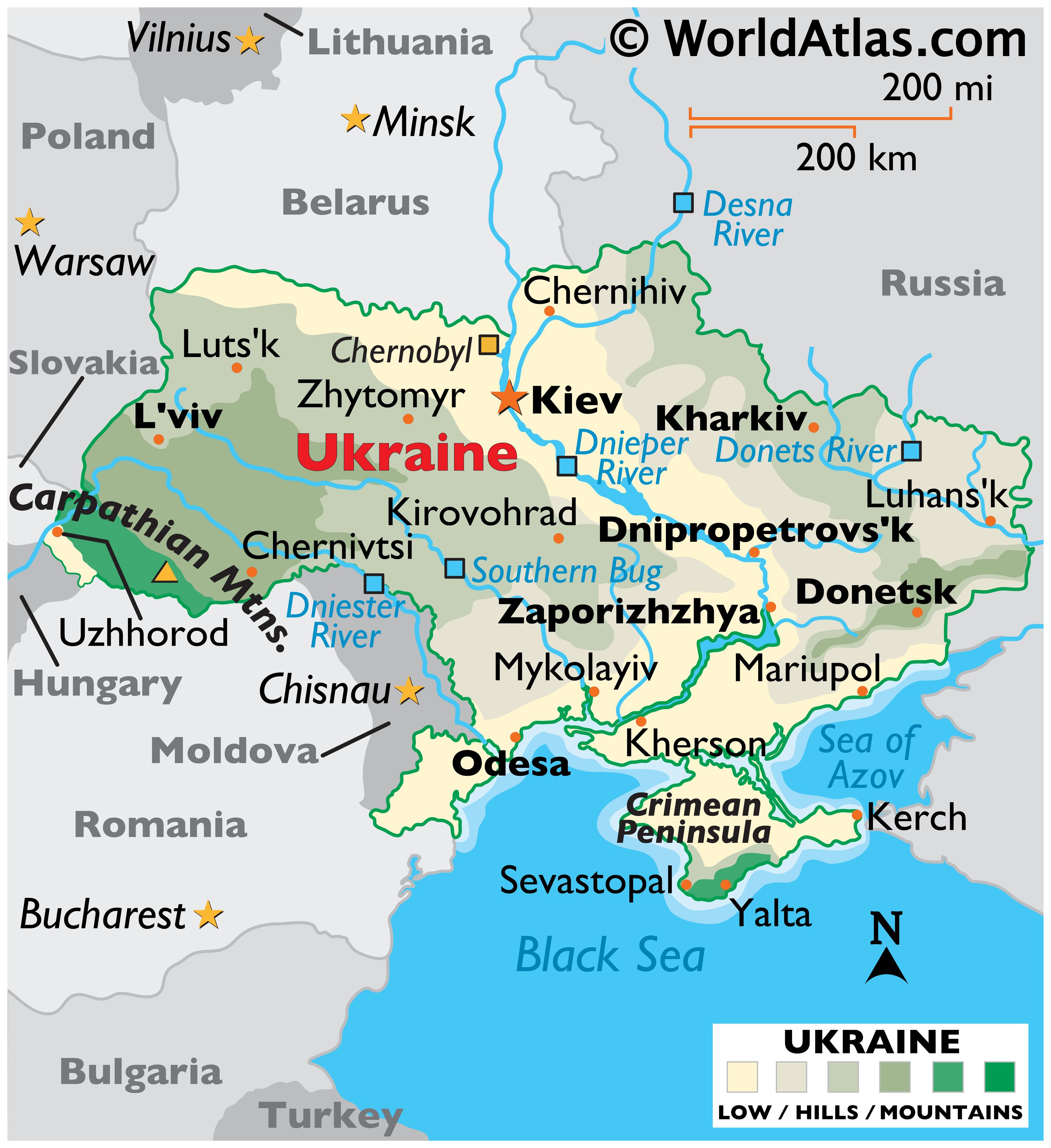
To understand why this statement is making waves, you have to look at the map. The Strait of Hormuz is the world’s most important maritime oil chokepoint. Roughly one-fifth of the world’s seaborne oil supply passes through this narrow gap between Iran and Oman every single day.
Basically, whoever controls the flow of traffic here has a massive lever on the global economy. For decades, Iran has used this as a bargaining chip, threatening to close the strait if they feel backed into a corner. The United States, meanwhile, has maintained a consistent military presence to keep the lanes open for international commerce.
The Legal Reality
Here is the part most people skip over: International law doesn't care about campaign speeches. The Strait of Hormuz is an international waterway. While ships must pass through the territorial waters of Iran and Oman to traverse it, the global consensus—supported by decades of custom—is that ships have a right of "transit passage" through such straits.
Declaring it "American territory" carries zero weight in any court, tribunal, or diplomatic summit. It’s like standing on a public beach and declaring it your private backyard. You might say it, and you might even believe it while you're saying it, but the tide is still going to come in, and the public is still going to walk by.
It's About Leverage, Not Geography
If you've followed Trump’s approach to deals, you know he loves to move the goalposts. By calling the strait American territory, he isn't trying to file a deed at the county clerk’s office. He’s trying to establish a psychological frame.
By framing the current US military blockade of Iranian shipping as "owning" the territory, he’s creating a reality on the ground that he hopes will force Tehran back to the negotiating table. He’s signaling to his base—and to the Iranian government—that the U.S. is done playing by the old rulebook.
However, the Iranians are playing their own game. They’ve labeled the latest round of U.S. economic sanctions a "declaration of war". They aren't going to roll over just because of a comment at a campaign event in South Carolina. They see the rhetoric for what it is: a high-stakes poker move meant to squeeze them financially until they fold.
What Comes Next
You should expect this "controlled chaos" to continue for a while. We are in a cycle of pauses and escalations. The reality is that both the U.S. and Iran have a shared interest in keeping the oil flowing, despite the intense rhetoric. If the strait were actually closed, the global economy would suffer, and that’s not a win for anyone, including the U.S.
Keep an eye on the following instead of the soundbites:
- Secondary Sanctions: Look at whether the Treasury Department actually succeeds in getting China or other major trading partners to cooperate with the new sanctions. That’s where the real pressure is applied.
- Backchannel Talks: Despite the public posturing, diplomacy often happens in the dark. Watch for reports of movement from intermediaries, like Oman, who have historically helped bridge the gap between Washington and Tehran.
- Commercial Shipping Data: Instead of listening to what politicians say, track the actual movement of tankers. If traffic remains steady, the "blockade" is more of a political tool than a physical barrier.
Don't get distracted by the noise. The title of a waterway isn't changing because of a speech. Real power in this region is still decided by market access, maritime security patrols, and, eventually, a deal that both sides can live with. Stay focused on the underlying economic signals. They tell the real story.