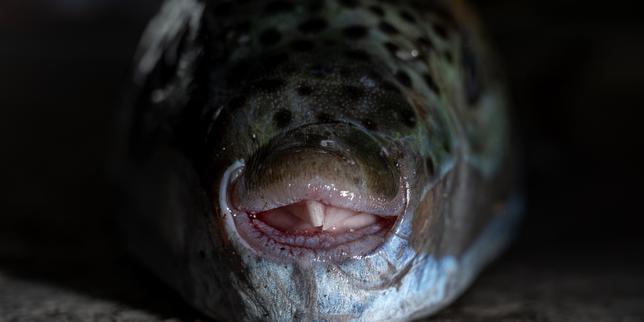
You drop your nets into the crystal-clear waters of the Aegean, expecting a profitable haul of sea bream or squid. An hour later, you haul them back up, only to find them completely shredded into useless yarn. Inside the mess sits a bloated, grey-silver creature staring back at you with a pair of beak-like jaws sharp enough to snap a fish hook in half.
This isn't a bad fisherman's tale. Across the Greek coastline—from the rugged shores of Crete down to the Dodecanese—the silver-cheeked toadfish, commonly known as the pufferfish (Lagocephalus sceleratus), has transformed from a biological curiosity into an absolute economic emergency.
If you want to understand how a warming Mediterranean is rewriting coastal livelihoods, you have to look past the postcard images of Greek islands and examine what's happening right now on the decks of local fishing boats.
The Anatomy of a Marine Invader
How did a tropical predator from the Red Sea end up ruling Greek waters?
The culprit is the Suez Canal. Decades ago, this man-made corridor opened a highway for Red Sea species to migrate into the Mediterranean—a process marine biologists call Lessepsian migration. But lately, rising sea temperatures driven by climate change have given these tropical migrants the ultimate competitive advantage. They aren't just surviving here; they are thriving.
The silver-cheeked toadfish faces virtually zero natural predators in the Mediterranean. When you combine an absence of predators with an omnivorous appetite, you get an unchecked explosion.
- The Jaws: Four fused teeth form a powerful beak capable of slicing through fishing lines, heavy nets, and even metal wire.
- The Defense: When threatened, the fish swallows water to inflate into a rigid sphere, rendering it virtually unswallowable for larger marine predators.
- The Diet: Research shows that these predators consume massive quantities of local fish, crabs, and cephalopods, actively starving native marine life out of their own habitats.
According to data compiled by marine biologists at the Hellenic Centre for Marine Research (HCMR), these predators cost individual small-scale fishing boats an estimated 8,500 euros every year in ruined gear and lost catches. For local families whose entire income relies on traditional coastal fishing, those numbers spell financial ruin.
A Lethal Threat Beyond the Nets
The destruction doesn't stop at ruined equipment. The real terror of the silver-cheeked toadfish lies in its chemistry.
Its internal organs, skin, and liver are packed with tetrodotoxin (TTX), a potent neurotoxin that paralyzes the respiratory system and causes heart failure. This is not a toxin you can cook away. Boiling, frying, or baking does nothing to neutralize it. Eating even a small portion can prove fatal.
Because of this extreme hazard, scientists classify the harvested fish as Category 1 waste—the exact same safety bracket used for dangerous industrial hazardous materials.
Swimmers need to keep their guard up, too. While the fish won't actively chase humans in the water, getting cornered in a net or handled carelessly on a hook triggers violent defensive biting. Incidents like beachgoers requiring stitches after close encounters in shallow waters remind everyone that this animal demands absolute respect.
Putting a Price on the Problem
The Greek government finally stepped in with a concrete strategy to push back against the invasion. Authorities rolled out a targeted financial incentive program, backed by 1.5 million euros in European funding, offering a bounty of 5.33 euros per kilogram for every captured toadfish.
Regions like Crete and the South Aegean are leading the charge. The goal is simple: inject financial motivation into removing these apex predators before they completely collapse local fish stocks.
Yet, catching them is only half the battle. Once brought ashore, these toxic carcasses can't simply be discarded. Local municipalities must manage strict cold-chain storage and transport protocols before safely incinerating them in specialized facilities. Meanwhile, researchers at institutes like HCMR are actively studying ways to safely extract or neutralize the neurotoxin so that the fish might one day be repurposed instead of wasted.
If you are planning to fish or travel along the Greek coast, stay informed. Respect local port authority warnings, never attempt to consume non-standard catches, and support regional initiatives trying to restore balance to an ecosystem under siege. The Mediterranean is changing fast, and managing this crisis requires more than just hope—it takes coordinated action.