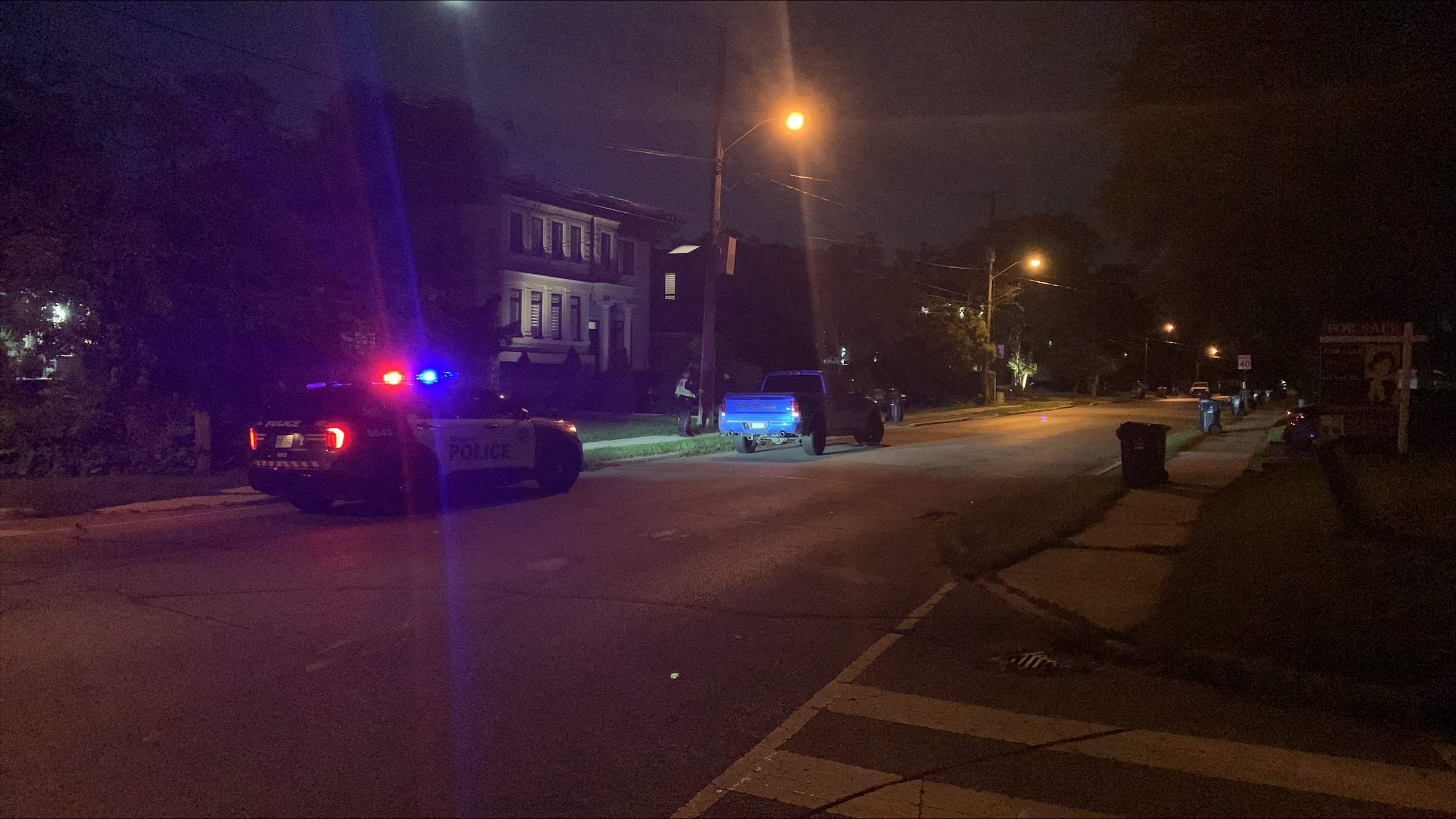
Another day, another mangled bike on a Toronto intersection. A teenager is sitting in a local trauma centre right now with serious injuries after a car slammed into their bicycle near Steeles Avenue and Maxome Avenue. It happened during the evening rush.
Police say the driver stayed. Paramadics hauled the kid away. The traffic cleared up fast. Life moves on in this city. But the underlying crisis on our streets doesn't go away just because the pavement gets swept.
We need to talk about why Toronto roads remain hostile territory for anyone moving on two wheels, especially young riders who lack the road protection of a steel chassis.
The Intersection Danger Zone
The crash happened at around 5:30 p.m. That is prime commuter crunch time. The light is fading or the sun is glaring low, drivers are rushing home from work, and teenagers are heading back from school or after-school jobs.
Intersections like Steeles and Maxome are built for cars. They are wide, fast, and engineered to move vehicles efficiently rather than keep humans safe. When you mix a hurried motorist trying to beat a light with a young cyclist navigating a busy suburban arterial road, disaster waits for an opening.
The Reality of Urban Cycling Infrastructure
Toronto loves to talk about bike lanes. Politicians love cutting ribbons on protected paths downtown. But step outside the core, and the infrastructure basically vanishes.
North Toronto and suburban border areas like Steeles Avenue treat cyclists as an afterthought. You get painted lines on asphalt that disappear under winter snow or faded paint, or worse, you get nothing at all. You are forced to choose between hugging the curb beside heavy commercial trucks or taking your chances in active traffic lanes.
A teenager shouldn't need a tactical risk assessment just to ride a bike to the local convenience store.
What Actually Needs to Change
Fixing this isn't rocket science, but it requires political spine that city hall often lacks.
First, we need physical barriers on major arterial roads, not just paint. Paint is not infrastructure. A plastic bollard or a concrete curb changes driver behavior instantly.
Second, speed limits mean nothing without enforcement. You can post a 40 km/h sign all day long, but if the road design encourages drivers to hit 70 km/h, people will speed. Narrowing lanes and redesigning intersections to force cars to slow down during turns will save lives.
Third, driver education needs an overhaul. Motorists need to treat vulnerable road users as human beings, not obstacles delaying their commute.
Another teenager is recovering in a hospital bed tonight. Tomorrow, someone else will get clipped. Stop treating these collisions as freak accidents. They are predictable outcomes of bad street design.
Protect our kids on the pavement before the next ambulance rolls out.