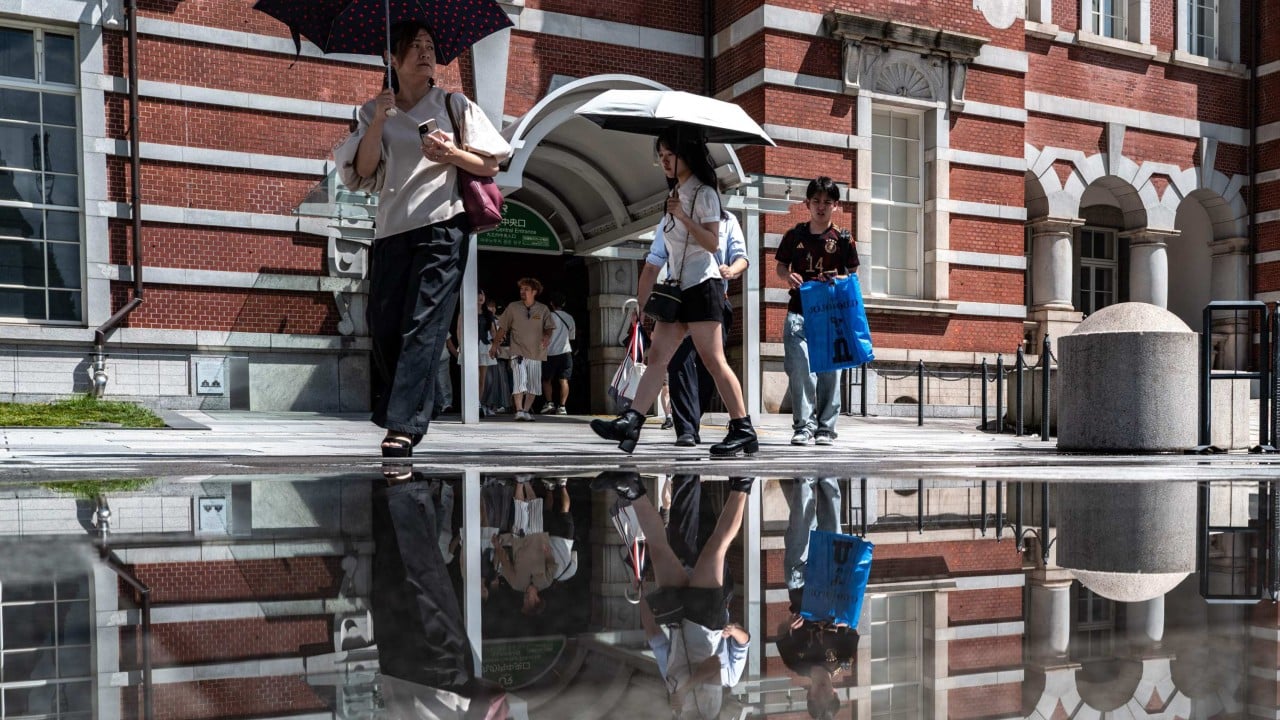
You walk through the cavernous underground passages of Tokyo Station every day, weaving past commuters and tourists without a second thought. But the Tokyo Metropolitan Government looks at that same concrete footprint and sees something entirely different: a frontline defense against regional conflict.
Governor Yuriko Koike announced plans to convert the sprawling Yaesu underground parking facility into a dedicated ballistic missile shelter. This isn't just about painting signs on concrete pillars. It marks a serious shift in how Japan's densely populated capital prepares for modern security threats.
The Logistics Behind the Yaesu Parking Conversion
The targeted site sits right beneath Yaesu-dori Avenue, stretching across roughly 13,000 square meters on the first and second basement levels. Tokyo Station acts as the absolute heartbeat of the capital's transport network, meaning hundreds of thousands of people crowd the area outdoors at any given hour.
When you look at why officials chose this specific location, the strategy becomes clear. Planners aren't building a brand-new bunker from scratch in the middle of a crowded metropolis. They're retrofitting existing subterranean infrastructure.
The upcoming engineering studies will focus heavily on upgrading the space to handle worst-case scenarios. Crews will design blast-proof doors capable of withstanding massive shockwaves, falling debris, and structural collapses. They'll also integrate dedicated storage areas for emergency rations, drinking water, and air filtration units.
Why Japan Is Ramping Up Civil Defense Now
This project marks only the second civil defense shelter initiative in Tokyo. The capital's first conversion project focused on a disaster supplies storage facility connected to Azabu-Juban Station on the Toei Oedo Line.
The push comes as regional tensions tighten across East Asia. North Korea continues to ramp up its frequency of ballistic missile tests, often firing projectiles into regional waters. At the same time, China's expanding military arsenal keeps Tokyo's defense planners on edge.
For decades, Japan maintained a strict post-war pacifist stance that largely left civil defense infrastructure out of urban planning. You didn't see bomb shelters in Japanese subway maps or underground commercial complexes. Now, local governments are quietly scrambling to fix that vulnerability.
Farther south, Japan is already building dedicated missile shelters on remote islands like Yonaguni in Okinawa Prefecture, sitting just a short distance from Taiwan. Bringing these hardening measures straight into the heart of Tokyo shows that the government views the threat environment as an all-encompassing national concern, rather than a distant regional issue.
What This Means for Everyday Commuters
If you use the Yaesu parking garage or commute through Tokyo Station regularly, you won't see immediate disruptions. Detailed surveys and engineering studies are scheduled to roll out through the current fiscal year. Actual physical modifications will take time to complete, and officials have noted that the parking lot will remain operational during much of the preparatory phase.
The reality of modern urban security is catching up with Japan's peaceful facade. Governments are no longer waiting for a crisis to ask where people will run when sirens sound. They're turning everyday parking structures into life-saving vaults, right under your feet.
This video provides additional context and visual details regarding the Tokyo Metropolitan Government's plans to convert the Yaesu parking facility into an emergency shelter.