When police tools meant to catch criminals get turned inward against colleagues, public trust fractures instantly. That is exactly what happened when former Pasadena Police Department Sergeant Michael Palitz got caught using automated license plate reader technology to track a fellow officer. Instead of facing a full criminal trial, Palitz cut a deal with the Harris County District Attorney Office, surrendering his Texas Commission on Law Enforcement peace officer license to walk away from criminal prosecution.
Cases like this force a hard look at how police departments police themselves, and honestly, the safety nets guarding high-tech surveillance networks look porous at best.
How the Flock Safety System Blew the Whistle
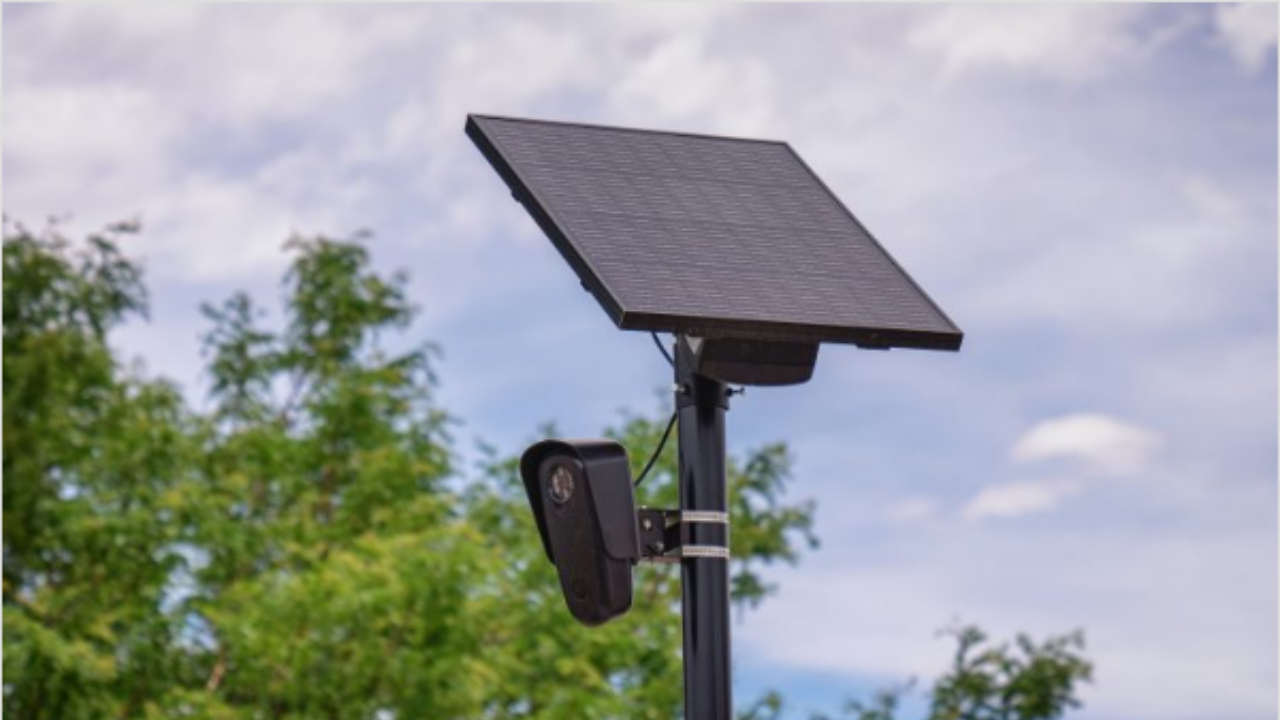
The technology at the center of the Pasadena scandal is manufactured by Flock Safety, a company building widespread networks of automated license plate reader cameras along public streets. Law enforcement agencies nationwide lean heavily on these systems to hunt down stolen vehicles, track missing persons, and piece together evidence for active investigations.
Yet, the system's internal guardrails actually did what human supervisors failed to do. According to Pasadena City Council Member Emmanuel Guerrero, Palitz made an unusually high volume of searches targeting one specific vehicle belonging to a female officer. The automated platform flagged his user profile after detecting suspicious repetition, raising immediate red flags inside the department.
The Loophole of Resignation and Confidentiality
Palitz resigned before internal affairs could wrap up its administrative review. Under Texas law, when a police officer quits mid-investigation, the administrative findings stay confidential, meaning no formal internal disciplinary mark goes on their public employment record.
Think about that for a second. An officer walks away from an active misconduct probe, shields their administrative file from public view, and then bargains away their state peace officer credentials to avoid facing a judge. For everyday citizens watching accountability play out, this type of resolution feels deeply unsatisfying. While surrendering a TCOLE license means Palitz can never legally work as a licensed peace officer or county jailer in Texas again, the lack of a transparent criminal trial leaves critical questions unanswered.
Why Automated Surveillance Oversight Fails
Law enforcement databases contain massive amounts of sensitive movement data. When police departments hand out login credentials to officers, auditing those searches often happens only after someone abuses the system on a massive scale.
Independent investigations across Texas have repeatedly highlighted loose auditing practices. For instance, records obtained by the Houston Chronicle showed hundreds of thousands of searches conducted by the Houston Police Department with vague justifications or no documented law-enforcement purpose at all.
When tracking tech is this easy to exploit, internal privacy violations become inevitable. Departments love talking about how these tools keep streets safe, but they rarely address how easily an insider can weaponize public infrastructure for personal harassment.
If you want to understand why communities are starting to push back against automated surveillance contracts—like Hood County’s recent decision to rip out its Flock cameras—look no further than the Pasadena case. Accountability shouldn't have to wait for an automated system to trigger an emergency alert. Departments need strict, mandatory random audits on every single query entered into a surveillance database, long before an officer starts tracking someone they work with.
Pasadena police sergeant surrenders Texas law enforcement license after internal investigation
This news broadcast provides local coverage of the Pasadena Police Department handling the licensing surrender agreement after the internal investigation concluded.
http://googleusercontent.com/youtube_content/1