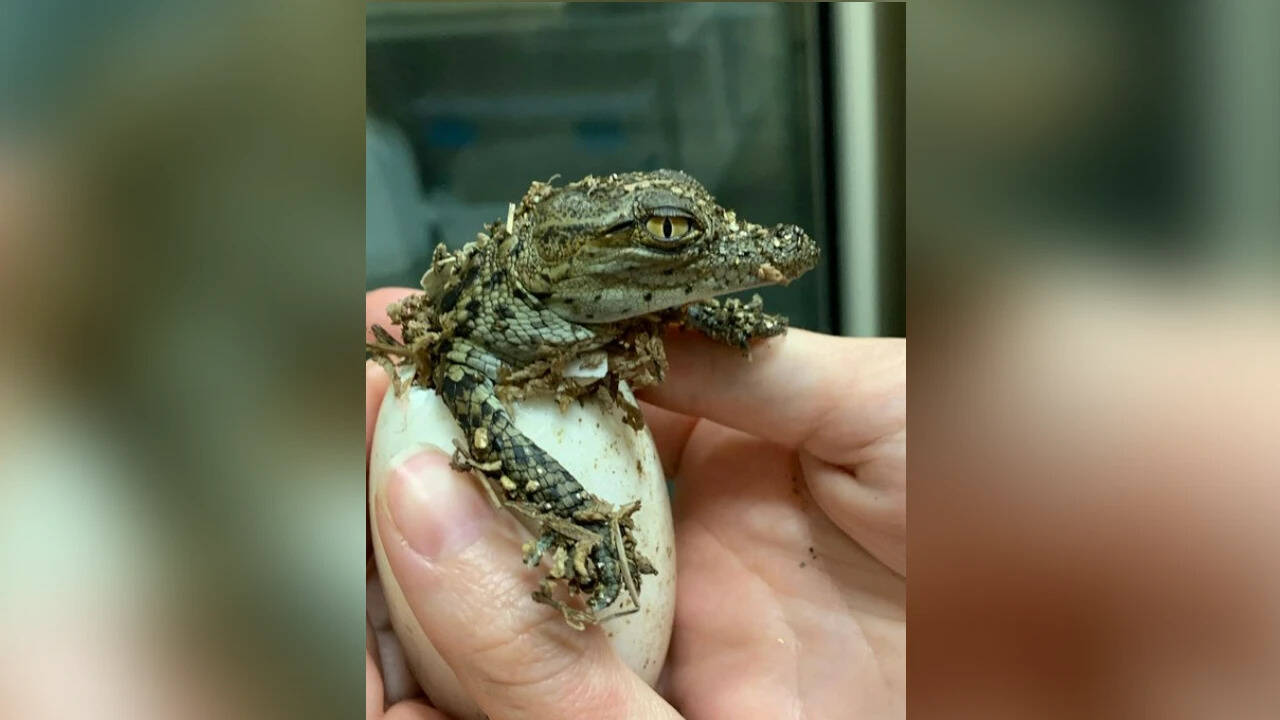
Ten baby Nile crocodiles just hatched in southeastern France without a single human lifting a finger. Think about that for a second. Subtropical apex predators reproduced outdoors in Europe entirely under natural conditions, turning a routine zoo operation into an urgent environmental warning sign.
Visitors at La Ferme aux Crocodiles in Pierrelatte spotted the hatchlings scrambling out of their nest on a Saturday, immediately sounding alarms for the park's veterinary staff. While the initial mood was shock and excitement, reality set in fast. This wasn't a cute zoo milestone. It was a direct consequence of brutal, relentless summer heatwaves that have fundamentally rewritten Europe's climate rules.
How the Natural Hatching Actually Happened
Normally, keeping Nile crocodiles ticking in a European reptile park requires heavy human supervision. Zoo staff collect the eggs and lock them away in artificial incubators where temperature and humidity stay strictly controlled.
For an embryo to develop inside a Nile crocodile egg, it needs a steady temperature hovering between 30°C and 32°C for roughly three months. Under normal circumstances, the French climate simply cannot deliver that kind of prolonged, intense warmth underground.
This summer changed everything. France endured three punishing summer heatwaves, racking up an unprecedented 52 days of extreme heat. The sand surrounding the buried clutch acted like a thermal battery. It absorbed baking heat all day and refused to cool down at night, holding the exact incubation threshold the eggs needed. The park's director, Samuel Martin, pointed out that this unprecedented event serves as a glaring marker of shifting global weather patterns.
Winners and Losers in a Warming Europe
We talk endlessly about rising temperatures melting ice caps, but we rarely discuss how shifting weather baselines alter regional ecosystems right now.
When extreme heat settles over a region for months, local fauna pays the price. Animals native to temperate environments struggle to cope, facing heat stress, dwindling water supplies, and disrupted breeding cycles. Meanwhile, species evolved for scorching African climates suddenly find themselves feeling right at home in the heart of Europe.
Martin noted the stark divide clearly. Subtropical animals coast through these blistering seasons, while native temperate wildlife suffers under conditions they never evolved to handle. When apex predators from the Nile basin can hatch naturally in the French Rhône valley, the geographic boundaries defining where species belong are officially dissolving.
What Happens Next for the Hatchlings
All ten little crocodiles are currently doing well. Park veterinarians moved them into a secure nursery environment for close monitoring before they eventually join the main public exhibits.
They look harmless right now, measuring just a few inches long, but they represent a much larger ecological shift. Zoos across the continent are quietly re-evaluating their outdoor enclosures, nest security, and climate adaptation strategies. If reptiles can breed outdoors without artificial incubation today, managing exotic wildlife populations tomorrow will require entirely new rulebooks.
Keep an eye on how European wildlife reserves modify their habitats over the next few seasons. The margin for error is shrinking fast.