A passenger minibus was torn apart on a quiet road in southern Ukraine, and the cost was five human lives. Seven others were rushed to hospitals with severe wounds. It's an incident that highlights a grim reality: the frontline isn't just a trench system anymore. It's hitting everyday transit lines.
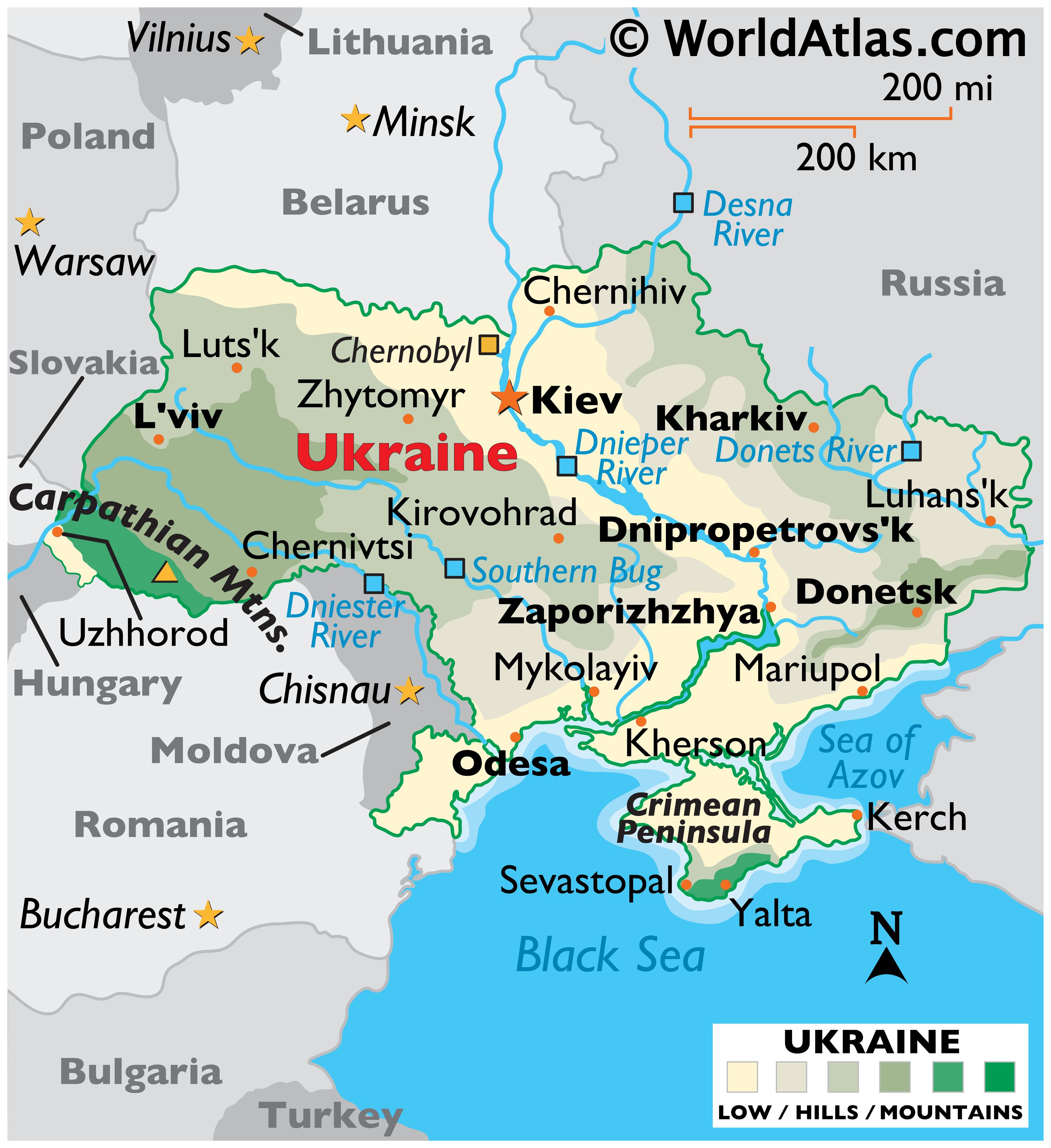
The strike happened in the Nikopol district of the Dnipropetrovsk region. Regional governor Oleksandr Hanzha confirmed that the vehicle was simply carrying civilians when a Russian drone hit it directly. Photos from the scene show a mangled shell with blown-out windows. This isn't collateral damage from a stray missile miles off target. It's part of an escalating campaign targeting the very veins of daily civilian survival.
The Shift Toward Civilian Transport Networks
Let's be clear about what's happening. When an army starts hitting passenger minibuses, railway stations, and local diesel locomotives, they're attacking the infrastructure of life itself. Ukrainian Foreign Minister Andrii Sybiha pointed out that over 500 locomotives have been damaged or completely destroyed since February 2022. More than half of those strikes occurred recently.
President Volodymyr Zelenskyy didn't mince words, calling the bus attack a senseless atrocity. There's no military rationale for blowing up a civilian bus. It's meant to terrorize. It's designed to paralyze movement, cut off supply lines, and make normal existence impossible near contested zones.
What the Numbers and Targets Tell Us
The Nikopol district sits directly across the Dnipro River from Russian-occupied territory. That geographic closeness puts local roads within easy reach of short-range drones. These aren't high-altitude strategic bombers requiring complex coordination. They are cheap, low-flying devices used to pick off anything that moves.
Consider what else happened around the same window. A passenger train in the Mykolaiv region was hit, though crews managed to evacuate nearly 170 passengers just in time. An electric locomotive in Kovel took a direct hit too. Human Rights Ombudsman Dmytro Lubinets put it bluntly: almost every day brings fresh news of strikes on civilian transport.
It's a systematic hunt. You can't write this off as a series of tragic mistakes. When transport hubs, railway networks, and local buses become primary targets, the strategy is clear. They want to choke the country's economy and break its will to keep moving.
Living Under the Drone Threat
If you're wondering what this means on the ground, it means absolute unpredictability. People trying to get to work, visit family, or evacuate dangerous zones are taking their lives in their hands every time they step onto a bus or board a train. Prosecutors have opened formal war crimes investigations under Article 438 of the Criminal Code, but legal filings don't bring back the dead or stop the next wave of drones.
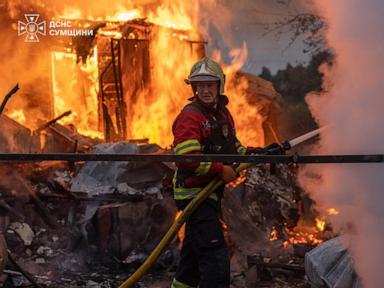
The situation remains grim, with ongoing aerial attacks stretching emergency services to their absolute limits across multiple regions like Sumy and Kyiv. The war keeps evolving into darker, more targeted phases against non-combatants, and the daily commute has become a frontline hazard.
A look at the recent drone strike on a passenger bus in Ukraine
This video provides an overview of the drone attack on the passenger bus in Ukraine and the wider context of strikes on civilian transport networks.