When disaster strikes, the state promises care. Then the cameras leave, the public moves on, and survivors are left entirely on their own to navigate a labyrinth of bureaucracy just to get the medical and psychological support they are owed.
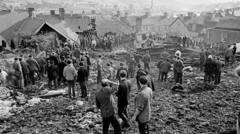
If you look at major British modern tragedies, a dark pattern emerges. From the Aberfan disaster in 1966—where a coal waste tip collapsed onto a junior school, killing 116 children and 28 adults—to the Manchester Arena bombing in 2017, victims and their families face an exhausting, often degrading battle for help. Why does healing require a fight?
The Structural Failure After Disaster
The immediate aftermath of any catastrophe is marked by emergency response teams, politicians making solemn speeches, and temporary funding pledges. But trauma doesn't have an expiration date. Years down the line, survivors dealing with life-changing physical injuries or complex post-traumatic stress disorder find themselves blocked by institutional red tape.
Take the medical needs of survivors. People lose limbs, suffer chronic pain from shrapnel, or experience severe mental health fractures. Instead of automatic, lifelong care provided by the state, they have to jump through hoops. They must prove their injuries over and over again. They fight with insurers, state agencies, and compensation schemes that treat them like claimants rather than victims of state or public security failures.
Aberfan families famously had to fight just to get the government to remove the remaining dangerous coal tips looming over the village, with money even improperly drawn from the disaster memorial fund to pay for it—a decision later widely condemned as an outrage. Decades later, survivors of modern attacks face similarly bureaucratic walls. They are forced to retell their worst moments to administrative boards just to secure funding for therapy.
Why the System Fails the Most Vulnerable
Support systems are built for administrative ease, not for healing. When you are dealing with trauma, you don't have the energy to fight a legal battle.
- The Burden of Proof: Survivors are often forced to justify their ongoing pain to skeptical bureaucrats.
- Funding Gaps: Charitable funds run dry after the initial anniversary news cycles fade.
- Institutional Defensiveness: Public bodies and corporations often delay payouts or liability to protect budgets and reputations.
This adversarial approach makes recovery nearly impossible. You cannot heal your mind or body when you spend your days arguing with case workers.
What Needs to Change Now
Fixing this broken model requires a complete overhaul of how society treats survivors after mass trauma. We need automatic state-funded care packages that last a lifetime. We need independent advocacy groups embedded from day one so victims never have to stand alone against massive legal teams or government agencies.
Compassion shouldn't have a budget line, and justice shouldn't be conditional on how hard you can fight. Stop waiting for the next inquiry to fix a system that was broken from the start.