Eighty-two human lives vanished beneath tons of sand and ruined earth in West Kordofan. Nobody should pretend this is an unpredictable act of God. It's the horrific, entirely predictable result of a war-torn country where desperate people dig for survival with bare hands and broken tools.
When the al-Zara gold mine in Nuhud gave way, it didn't just trap underground workers in interconnected shafts thirty meters deep. It exposed the grim reality of Sudan's informal mining sector, where safety regulations don't exist and human life comes cheap. Rescuers didn't arrive with heavy excavation equipment or advanced life-detection technology. They showed up with a single, privately owned forklift. That's the brutal truth of the rescue effort. You're left trying to lift mountains of dirt with a toy while dozens of families wait to hear if their loved ones are breathing or buried.
The Anatomy of a Disaster in West Kordofan
If you look closely at how these informal mining sites operate, you'll see why collapses are practically guaranteed. The al-Zara site stretches over a kilometer across fragile, sandy soil. Thousands of unregulated workers swarm these areas, digging deep shafts without structural supports, shoring timber, or basic engineering oversight.
When one shaft caves in, it triggers a chain reaction across interconnected tunnels. According to local administration officials and grassroots groups like the Emergency Response Rooms, the collapse started on a Sunday in a single tunnel and rapidly consumed the surrounding network. Survivors like Khairal-Sayed Gabara have been vocal about the complete absence of heavy machinery required to shift earth at depths nearing one hundred feet. People are digging through rubble with shovels and kitchen implements because there's nothing else.
The War Economy Driving the Danger
You can't talk about Sudan's deadly mine collapses without looking at the civil war that tore the nation apart in April 2023. The conflict between the Sudanese military and the paramilitary Rapid Support Forces (RSF) has killed at least 59,000 people according to conservative estimates by the Armed Conflict Location & Event Data project, though aid groups insist the real number is far higher.
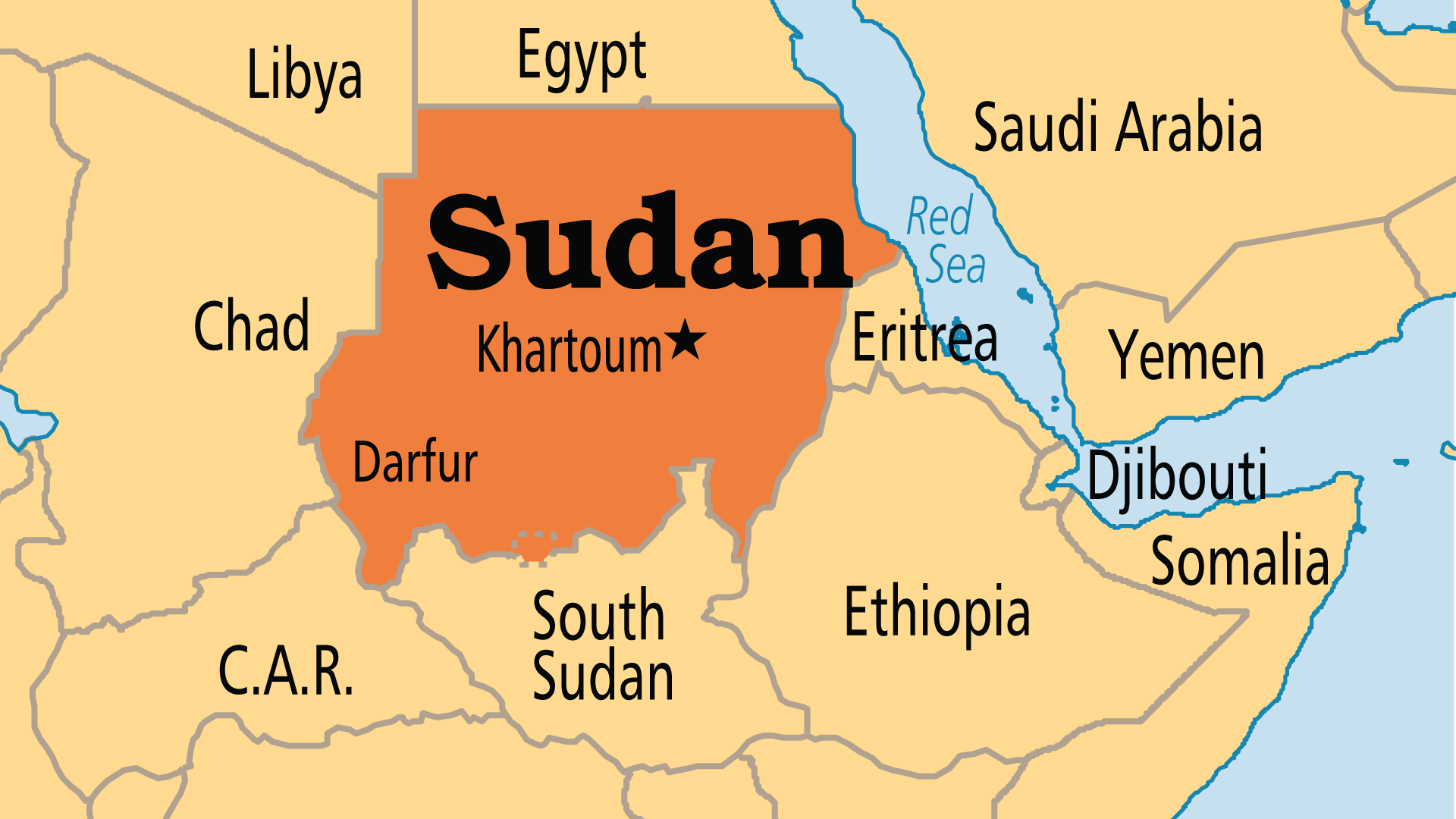
West Kordofan and Darfur find themselves under the control of the RSF. In these regions, informal gold mining isn't just a local livelihood—it's a critical financial engine. United Nations-commissioned experts have repeatedly pointed out that massive quantities of gold are smuggled out of Sudan to fund military operations and keep armed factions funded. Miners take fatal risks because they have zero economic alternatives in a country pushed to the brink of famine. When survival means choosing between starvation above ground or a potential cave-in below, people pick the mine every single time.
A History of Avoidable Tragedies
Deadly collapses aren't new to Sudan. This is a recurring humanitarian disaster that the international community watches happen over and over again. In 2023, a similar collapse killed 14 miners. Back in 2021, another disaster claimed 38 lives. Groups like the Sudan Doctors Network keep updating death tolls as bodies emerge from the dust, yet structural changes never follow.
The Kordofan Observatory and local medical groups warn that official figures are frequently undercounts. Dozens remain missing, and as days pass, the chance of finding anyone alive drops to zero.
Stop expecting safety standards to magically appear in a nation fractured by civil conflict and economic collapse. Until the war stops and formal oversight is established, informal mines will remain mass graves hidden in the desert sand. If you want to understand the true cost of Sudan's ongoing conflict, look no further than the makeshift shafts of Nuhud, where human lives are traded for smuggled gold.