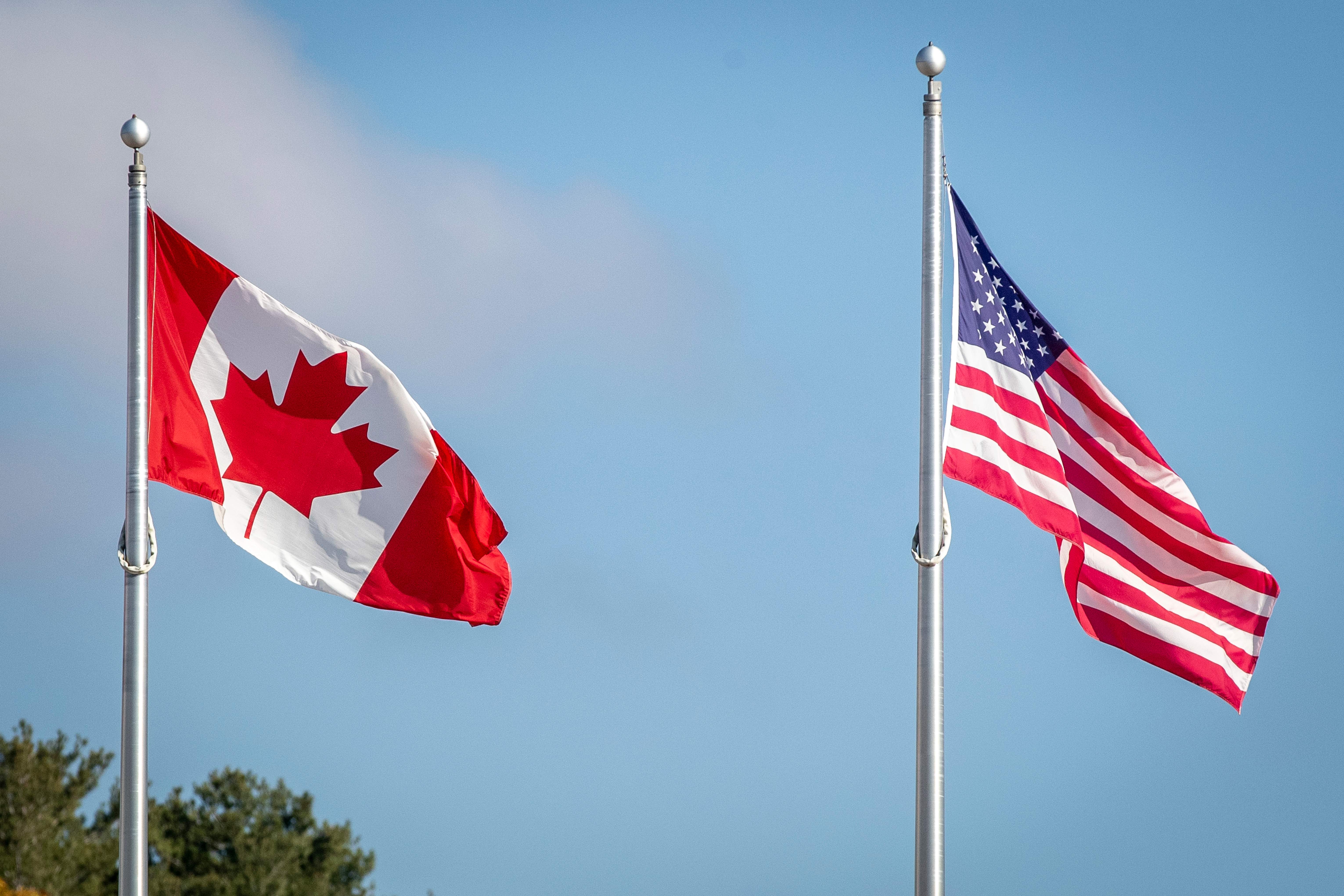
The United States is quietly shrinking its diplomatic footprint. Washington just notified Congress that it plans to shutter five foreign missions, including outposts in Canada, Japan, and Indonesia.
If you think foreign policy is immune to domestic budget battles, think again. The State Department is targeting specific posts for closure under the banner of the "America First" agenda. Critics are already sounding alarms, but the administration is moving forward anyway.
Which Diplomatic Posts Are on the Chopping Block
The notices went out to key congressional committees. They detail plans to close five specific locations:
- Winnipeg, Canada (Consulate)
- Nagoya, Japan (Consulate)
- Medan, Indonesia (Consulate)
- Douala, Cameroon (Embassy Branch Office)
- St. George's, Grenada (Embassy)
This isn't tied to a war or a sudden security crisis. Instead, it marks a calculated, rare bureaucratic contraction. Shuttering multiple diplomatic outposts at once without an active geopolitical emergency rarely happens.
The Push for a Leaner Bureaucracy
Secretary of State Marco Rubio has defended efficiency drives as a necessity. For years, conservatives have viewed the foreign service as bloated, expensive, and bogged down by administrative bloat.
The White House Office of Management and Budget initially pushed for an even more aggressive timeline. Internal proposals floated cutting up to 30 missions worldwide. While that massive sweep didn't happen, these five closures signal that smaller regional offices are no longer safe from budget cuts.
Administration officials argue that maintaining physical offices in secondary cities isn't cost-effective. Modern communication tools mean diplomats can handle regional affairs from main embassy hubs in capital cities. Why pay millions to lease buildings and maintain security detachments in Winnipeg or Nagoya when digital diplomacy exists?
The Geopolitical Risk Factor
Not everyone thinks saving money on real estate is worth the strategic cost. Former national security officials and congressional Democrats hate this plan.
They point out a glaring problem: China.
In several of these targeted regions, Beijing maintains an active diplomatic presence. For instance, China has diplomatic footprints in places like Nagoya and Medan. When the U.S. pulls out, local influence doesn't vanish—it shifts. Adversaries are more than happy to step into the vacuum left behind by retreating American bureaucrats.
Critics also connect these consulate closures to the broader dismantling of foreign aid programs like USAID. Taken together, they argue that America is voluntarily surrendering its soft power. Hard power matters, but embassies build the daily relationships that prevent conflicts before they start.
What Happens Next
The State Department hasn't officially published a public timeline, hiding behind standard statements about maintaining an efficient global posture. However, congressional notification is usually the final step before execution.
Expect fierce pushback on Capitol Hill. Lawmakers representing states with heavy economic ties to Canada or Japan will try to block the Winnipeg and Nagoya closures.
Check local consulate schedules if you rely on regional U.S. citizen services in these areas. Services will likely consolidate into primary embassies soon. Plan your visa renewals or paperwork accordingly.


