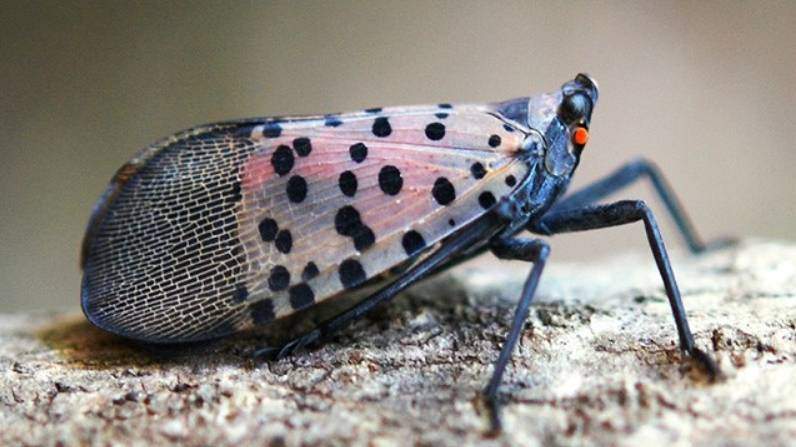
The spotted lanternfly has finally crossed the Canadian border. It is no longer just an American nightmare confined to headlines south of the border. On September 15, 2026, the Canadian Food Inspection Agency confirmed the first official detection of the spotted lanternfly in Windsor, Ontario.
If you own a vineyard, manage an orchard, or just care about local ecology, you need to pay attention right now. This isn't a drill. Previous encounters in Canada were categorized as mere sightings or dead specimens caught during transport. This new case marks an actual, confirmed living population in the wild environment.
Why Windsor and Why Now
Windsor is a major trade gateway. Bugs don't care about customs checkpoints. They hitch rides on cargo containers, transport trucks, RVs, and patio furniture.
The spotted lanternfly (Lycorma delicatula) originates from Southeast Asia. Since first establishing itself in Pennsylvania back in 2014, it has marched across multiple states, chewing through vegetation with absolute impunity. Experts have spent years warning that Canada’s wine regions—particularly in Ontario and British Columbia—were sitting ducks.
Now, the insect has arrived. The CFIA is currently running intensive surveillance zones around Windsor to figure out how far the infestation has already spread.
The Real Damage Beyond the Hype
People often misunderstand how these bugs operate. They do not sting humans, and they don't chew wood like termites. Instead, they pierce plant tissue and drink sap.
The real destruction comes from what they leave behind. Thousands of lanternflies feed simultaneously, excreting a sticky, sugary waste known as honeydew. This mess coats the ground and lower trunks, rapidly triggering thick layers of black sooty mold. That mold blocks sunlight, starving the plant of energy.
Vineyards face the highest threat. Grapevines attacked by heavy swarms often lose their cold hardiness, meaning a standard Canadian winter will completely finish off vines that might have otherwise survived.
Spot It, Snap It, Catch It
Government agencies can't handle this alone. They need eyes on the ground from everyday residents, gardeners, and outdoor workers. You need to know what you are looking for because the insect changes drastically through its life cycle.
- Egg Masses: Look for these from late summer through winter. They resemble smears of grey mud plastered onto tree bark, rocks, or outdoor gear.
- Nymphs: Early-stage nymphs look like small black bugs with white spots. By summer, they turn striking shades of red with black and white markings.
- Adults: These emerge by late summer. They feature greyish-pink wings speckled with distinct black spots.
If you spot one, don't just walk away. Take a clear photo or video. Capture the specimen if you can safely do so, seal it in a container, and report it immediately to the CFIA or your local invasive species council.
Check your vehicle thoroughly if you are travelling out of southwestern Ontario. Wash your car, leave firewood where you buy it, and inspect outdoor furniture before moving it across regions. Stop the spread before it takes root.