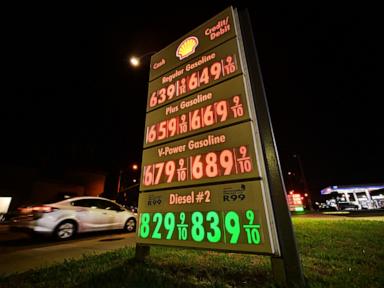
Diesel prices have smashed through historical ceilings, climbing past six dollars a gallon across the United States and triggering immediate panic for logistics firms, farmers, and everyday consumers. If you run a fleet, manage a warehouse, or simply buy groceries, you're already feeling the pinch of a severe global fuel crunch.
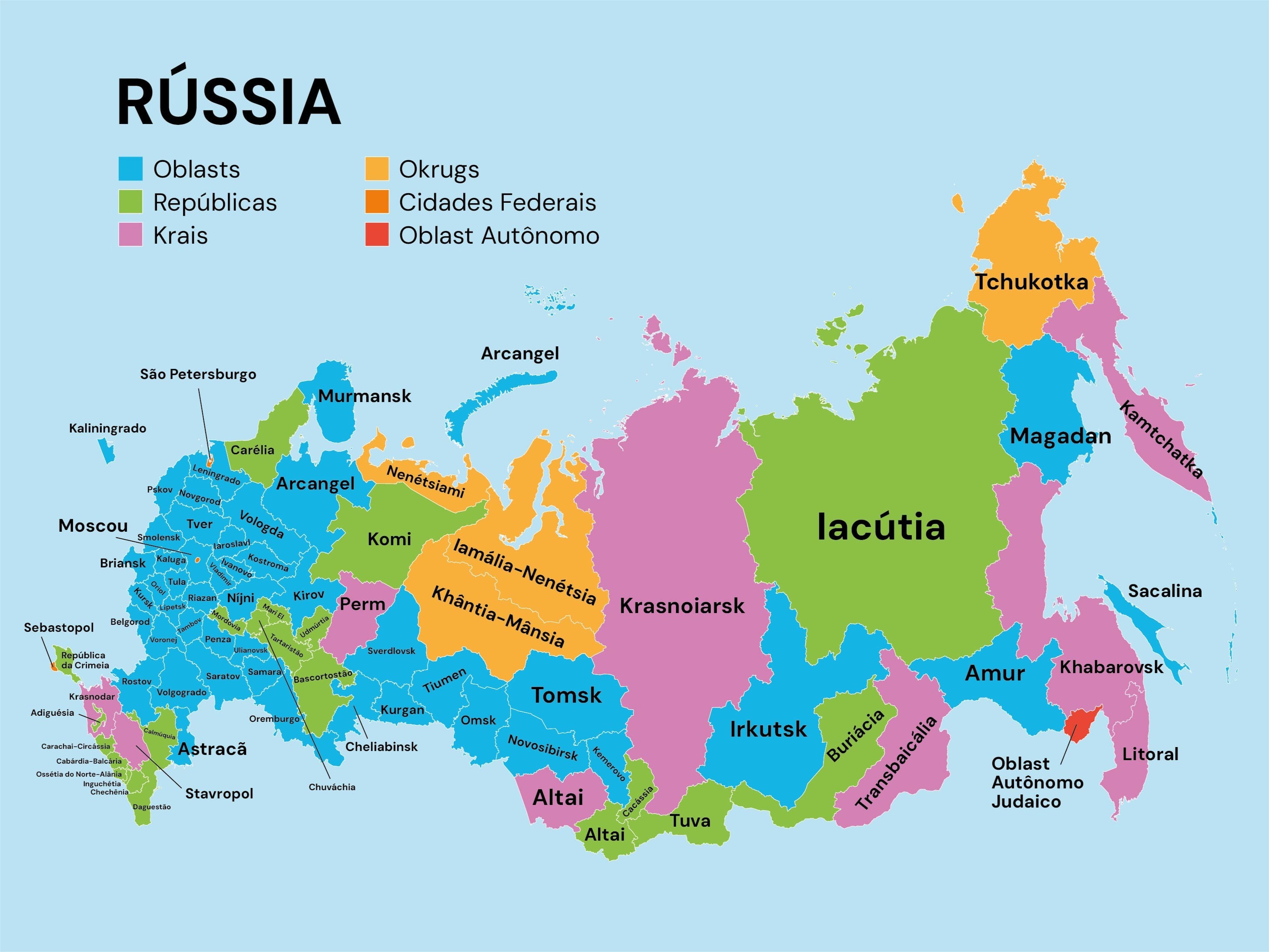
Two massive geopolitical conflicts are choking off supply at the exact same time. On one side, the war involving Iran and ongoing military actions in the Middle East have severely bottlenecked tanker traffic. The Strait of Hormuz, a critical maritime oil chokepoint, has seen commodity vessel traffic plummet. On the other side, intense drone strikes on Russian refining infrastructure by Ukraine have kneecapped Moscow's ability to export diesel, forcing export bans and aggressive domestic rationing.
When you combine a crippled Middle Eastern export market with a massive drop in Russian fuel shipments, you lose nearly half of global seaborne trade overnight. Refineries cannot simply make up that deficit on short notice.
Why Diesel Hits the Economy Harder Than Gasoline
People often confuse regular gas price spikes with diesel trouble, but the mechanics are entirely different. Individual drivers can carpool or stay home when regular unleaded gets pricey.
Freight networks don't have that luxury. Long-haul trucks, cargo ships, tractors, and freight trains run almost exclusively on diesel. There is no immediate substitute.
Fuel accounts for roughly fifteen to thirty percent of total food distribution costs according to industry groups. When diesel goes up, grocery prices follow shortly after. Fresh produce, seafood, and refrigerated items get hit first because temperature-controlled hauling requires constant fuel burn. Retailers usually absorb these shocks for a few weeks through existing shipping contracts. Once those contracts expire and fuel surcharges kick in, the cost lands squarely on your grocery bill.
The Refinement Bottleneck
Crude oil costs are only part of the puzzle. The real issue is the destruction and idling of refining capacity. Half of Russia's major diesel-producing plants have cut or halted production following recent drone attacks. Meanwhile, Middle Eastern output has plunged due to targeted strikes on energy facilities in Saudi Arabia and beyond.
Governments are scrambling for solutions. Political leaders are publicly calling on warring nations to halt attacks on energy infrastructure to calm the markets. Yet, repairing a damaged oil processing unit or restarting a bombed refinery takes months of specialized labor and parts.
How to Protect Your Operations
If you manage a business reliant on shipping or transport, you cannot sit around waiting for global markets to stabilize. You have to adapt immediately.
- Audit your logistics routes: Cut empty miles and consolidate loads immediately to maximize every gallon burned.
- Lock in fuel surcharges: Talk to your clients now about transparent pricing mechanisms that adjust automatically with weekly price indices.
- Invest in driver training: Idle reduction and optimal speed management can shave a surprising percentage off your monthly fuel consumption.
The current fuel squeeze won't vanish overnight. Navigating this climate requires disciplined cost management and a realistic look at your supply chain vulnerabilities before prices climb even higher.
Pain at the pump: Gas and diesel prices soaring
This video provides real-world context on how soaring diesel prices are currently impacting truck drivers and the cost of transported goods.
http://googleusercontent.com/youtube_content/1