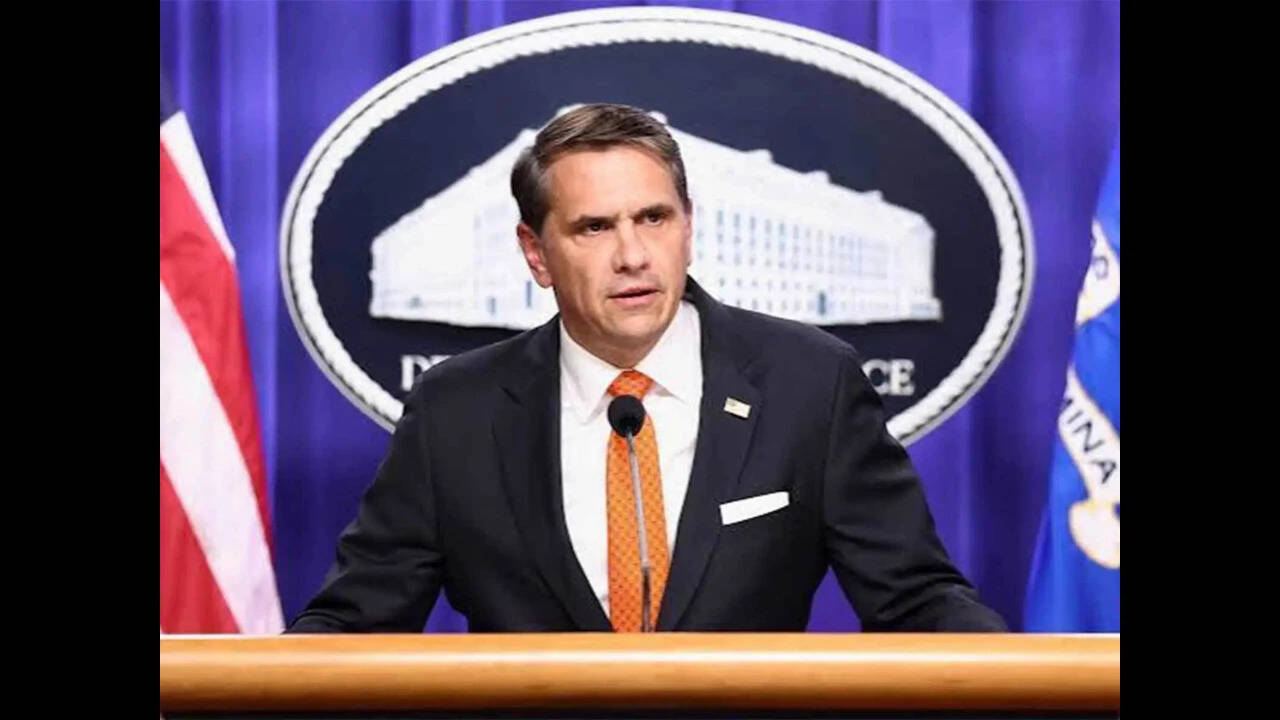
The Senate just did something rare and exhausting. In an overnight vote at 4:31 a.m. on Saturday, lawmakers confirmed Todd Blanche as the United States Attorney General by a razor-thin 50-49 margin.
If you've been watching Washington closely, you know this wasn't just another routine cabinet confirmation. We are talking about President Donald Trump’s former criminal defense lawyer taking permanent control of the nation's premier law enforcement agency. The vote ends months of acting leadership that began when Trump ousted Pam Bondi in April, but it opens a brand-new chapter of friction inside federal power corridors.
Here is what you actually need to know about how this went down and what comes next.
The Brutal Math Behind the 50-49 Vote
Confirmation battles rarely come down to single digits anymore, but this one tested party discipline to its absolute limits.
Every single Democrat voted against Blanche. They were joined by two prominent Republican defectors: Senators Susan Collins of Maine and Lisa Murkowski of Alaska. Meanwhile, Senate Mitch McConnell missed the session due to an ongoing absence following a fall.
That left the math sitting on a knife-edge. Senator Bill Cassidy of Louisiana provided the crucial, decisive vote. On the Senate floor, Cassidy basically argued that the choice wasn't about finding a spotless candidate. It was about choosing Blanche over the alternative of an indefinite acting official who might navigate White House demands even less predictably.
Why Republican Holdouts Almost Sunk the Nomination
Blanche didn't cruise through this process. His past role as Trump's personal lawyer already made critics nervous about Department of Justice independence, but a specific legal settlement pushed conservative senators over the edge earlier this spring.
The controversy centered on a deal to resolve Trump's civil lawsuit against the Internal Revenue Service regarding leaked tax returns. That agreement originally featured a proposed 1.8 billion dollar "anti-weaponization" fund designed to pay out individuals claiming mistreatment by federal prosecutors. It also contained provisions shielding Trump and his family from specific tax audits.
Senators like John Cornyn and Thom Tillis dug in their heels. They threatened to block the nomination unless Blanche reined things in. To unlock their votes, Blanche had to formally rescind the fund in writing and clarify that the tax audit protections only covered past claims rather than future financial filings.
Even so, opponents remain skeptical. Critics point out that written departmental orders can be undone by future administrative decisions, leaving a cloud of suspicion over how the department will operate under his command.
What Todd Blanche Brings to the Table
Before he was defending a president in a Manhattan courtroom or stepping into the deputy attorney general role, Blanche spent years as a federal prosecutor and a partner at a prominent defense firm.
Supporters argue that this background gives him a unique armor. Because he understands how the Justice Department functions from both sides of the aisle, allies claim he is better equipped to push back against unrealistic legal demands from the West Wing while executing the administration's core priorities.
Since taking over the agency temporarily in April, Blanche has already moved fast. He accelerated investigations into perceived political foes and appointed veteran prosecutor Joseph diGenova to examine past law enforcement actions. Now that he has the official Senate confirmation behind him, those investigations are expected to accelerate without the administrative asterisk of an "acting" title.
Where the Justice Department Goes From Here
The tension inside federal law enforcement isn't going away.
When an attorney general enters office with this level of division, the internal culture of the agency shifts. Career prosecutors and staff are watching closely to see how fiercely independent the leadership will remain under pressure.
Keep an eye on how Blanche handles upcoming budgetary approvals and congressional oversight hearings later this year. The legislative guardrails established by skeptical senators will face real-world tests the moment a high-profile case lands on his desk.
The confirmation is official, but the debate over the boundaries of executive power has only just begun.


