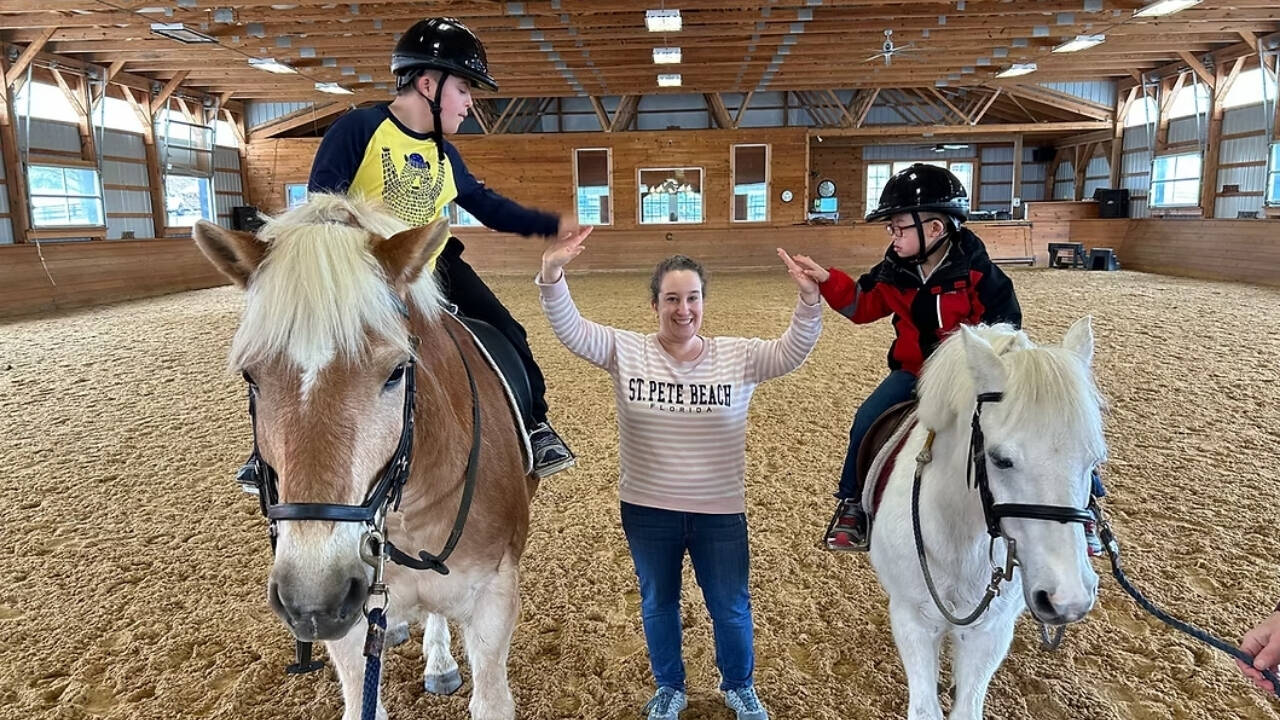
Real estate deals rarely carry a mission this heavy. When Mark and Muriel Forrest started the Faith & Family Foundation back in 1999, they didn't set out to build a real estate portfolio. They wanted a place where people with disabilities could ride horses without running into walls of inaccessibility or social exclusion.
Fast forward decades later, that vision turned into Wheatland Equestrian in Virginia, earning a rare title as a USEF Para-Dressage Center of Excellence. Now, the historic 43-acre property that housed their journey is on the market for an eye-watering $8.4 million.
People see an $8.4 million price tag and assume an organization is cashing out or shutting down. That couldn't be further from the truth.
The Reality Behind the Wheatland Farm Listing
Why put a legendary equestrian center up for sale? Nonprofits grow out of physical spaces just like startups outgrow garages. Maintaining a sprawling 18th-century estate with a manor house dating back to 1741, an FEI-quality outdoor arena, and specialized ADA-compliant barns takes an endless stream of capital.
Instead of letting brick-and-mortar upkeep drain resources, the founders chose a different path. They relocated Wheatland Equestrian to a fresh campus in Upperville, keeping lessons and programmes running for students across Northern Virginia, Maryland, and Washington, D.C.
Selling the original 43-acre property isn't about abandoning the mission. It’s about converting an appreciated physical asset into a heavy financial endowment.
What Makes This Property Worth Millions
Real estate investors are looking at more than just horse stalls here. The Crexi listing shows roughly 41,522 square feet distributed across eight distinct structures.
You get:
- A manor house built in 1741.
- Wheatland Cottage.
- Fully outfitted stables and an 18-stall barn equipped with an automatic mounting lift.
- Indoor and outdoor riding arenas.
- A dedicated event centre.
Located in Loudoun County, the estate carries massive historical value and incredible flexibility. A buyer could run a private equestrian training facility, host high-end corporate retreats, or turn the compound into a private family estate.
Inclusion Driven by Experience
Muriel Forrest grew up around horses in Ireland, understanding early on what physical contact with animals does for human confidence and motor skills. When they raised children with disabilities, they noticed a massive gap in local recreational options. Most sports segregated participants based on ability.
Wheatland tore down those invisible lines. Riders with disabilities, their siblings, and non-disabled community members train together. Today, the organisation serves over 100 students every week across everything from para-dressage to eventing.
Moving to a modern campus ensures that the curriculum keeps evolving without being chained to the massive overhead of a centuries-old estate.
Next Steps for Donors and Buyers
If you're watching this real estate move from the sidelines, look at how smart organisations handle capital assets. Tying up long-term viability in a single historic building is a recipe for stagnation. Turning stone and acreage into liquid funding guarantees care for disabled athletes for decades.
Keep an eye on Loudoun County real estate to see who picks up the keys to the historic manor. Meanwhile, check out the new Upperville location if you want to support inclusive equestrian coaching firsthand.