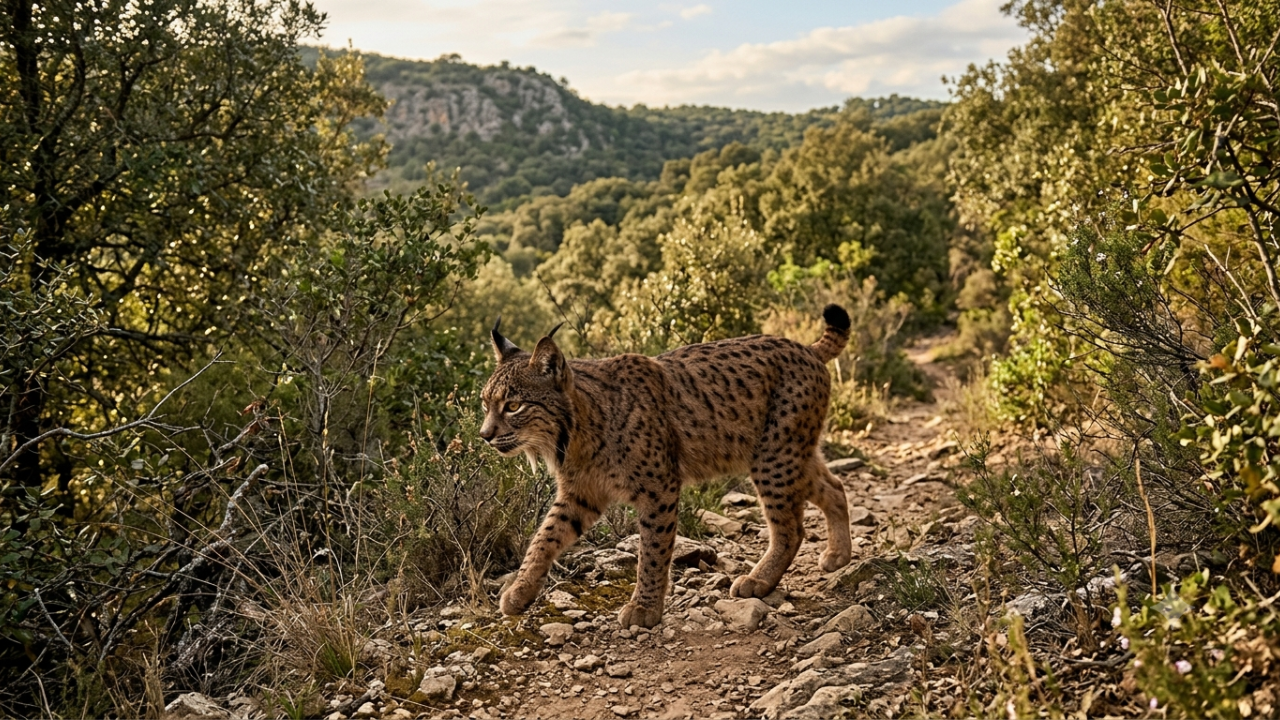
You’ve probably heard endless doom-scrolling about species vanishing forever, but the story of the Iberian lynx tells a completely different tale. Back in 2001, you could count the remaining mature adults on a few hands—just 62 animals clinging to survival in the scrublands of Spain and Portugal. It was basically game over on paper.
Fast forward to today, and the total population has smashed through the 2,000 mark, with mature numbers climbing past 648. This isn't just a minor statistical bump. It’s one of the most successful mammalian comeback stories in modern history. Let's look at how it actually happened and why most people misunderstand what saving an endangered predator takes.
You Can't Save a Predator Without Its Lunch
The biggest mistake armchair conservationists make is thinking you just protect the animal and walk away. Nature doesn't work that way. The Iberian lynx (Lynx pardinus) relies almost entirely on one specific menu item: the European rabbit.
When rabbit populations crashed due to disease outbreaks and shifting land use, the lynx starved right alongside them. Conservationists quickly realized that protecting the cat meant fixing the food chain first. Restoring Mediterranean scrub forests, managing rabbit breeding, and boosting prey numbers became just as important as guarding the lynx itself. If you want a predator to thrive, you have to build an entire ecosystem that can feed it.
Captive Breeding Kept the Line Alive
When a population shrinks to 62 mature individuals, natural mating stops working because everyone is basically related. Inbreeding depression becomes an immediate threat, wiping out immunity and reproductive health.
Wildlife agencies launched aggressive captive breeding initiatives to inject fresh genetics back into the wild. They didn't just breed cats in cages for display; they strategically moved animals across borders to mix gene pools. Juveniles were carefully reintroduced into historical territories where the species had been wiped out decades ago. It took decades of tedious, highly coordinated fieldwork across multiple regions to pull this off.
Highways and Human Barriers Threaten the Comeback
Bringing numbers up is only half the battle. Today, expanding infrastructure creates invisible walls across the Iberian Peninsula. Highways slice right through traditional wildlife territories, turning vehicle collisions into a major cause of death for roaming cats.
To solve this, conservation planners built dedicated ecological corridors—green bridges and protected pathways that let solitary lynx move safely between isolated pockets of land. Without these transit routes, separate groups would stay trapped, spelling long-term doom for genetic diversity.
The Recovery Is Real, But Don't Celebrate Too Fast
The IUCN recently shifted the Iberian lynx status from Endangered down to Vulnerable, which sounds like a permanent victory parade. But the species still sits in the "Largely depleted" category on the IUCN Green Status index, holding a Species Recovery Score of roughly 22%.
The cats are still missing from large parts of their historical range, and threats like poaching, accidental poisoning, and recurring rabbit diseases haven't disappeared. Total ecological recovery will likely take another century of strict management.
Stop treating conservation as a lost cause. The Iberian lynx proves that targeted science, funded programs, and stubborn human persistence can drag a species back from the very edge. Support local habitat initiatives, push for safer wildlife corridors, and pay attention to the boring legislative work that keeps these ecosystems alive.



