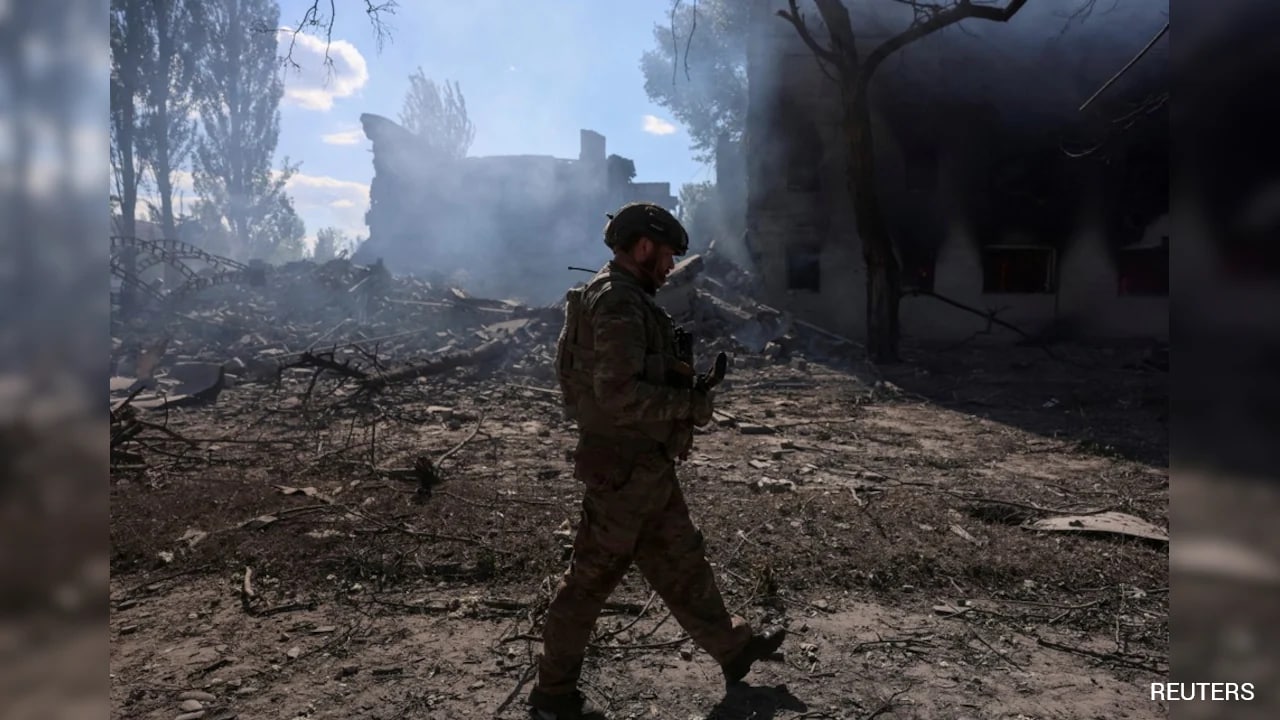
When an army turns bodies into battlefields, the horror stops being random. It becomes policy. International investigators, United Nations reports, and extensive journalistic documentation reveal a chilling reality about the ongoing war in Ukraine. Sexual violence and genital torture aren't fringe acts of rogue soldiers. They are deployed systematically inside Russian-run detention centers and occupied territories to break human dignity.
You need to look past the frontline maps to understand the true scope of this strategy. The goal isn't just physical destruction. It is total psychological annihilation.
The Brutal Architecture of Detention Centers
Walk into any documented Russian detention facility holding Ukrainian prisoners of war, and you find a terrifyingly consistent pattern of abuse. According to findings highlighted by United Nations investigators and investigative reporting from outlets like The Wall Street Journal, the scale of sexual violence targeting detained men and women points directly to coordinated authorization.
Former detainees have spoken out with testimonies that defy ordinary comprehension. Serhii Boychuk spent over two years in Russian captivity after his capture in 2022. He described being repeatedly raped with objects and threatened with knives pressed against his genitals.
"They wanted to psychologically break me," Boychuk stated following his release.
Another recurring method involves attaching old military field telephone wires to prisoners' genitals to deliver agonizing electric shocks. Prison guards cynically refer to this torture technique as a "call to Putin". This casual cruelty underlines an environment where perpetrators act with absolute impunity, secure in the knowledge that their superiors condone the brutality.
Targeting Men and Women Alike
A common misconception about conflict-related sexual violence is that it exclusively impacts women. While civilian women and girls have faced widespread rape and gang rape in occupied towns like Bucha, the data from recent investigations proves that men make up a significant portion of sexual torture victims in captivity.
The UN has documented hundreds of conflict-related sexual violence cases, showing that male prisoners of war face severe genital mutilation, electric shocks, beatings, and forced public nudity designed to maximize humiliation.
Oleksiy Sivak, a civilian from Kherson, was detained after hanging a Ukrainian flag. Guards subjected him to electric shocks through wires attached to his body. Now, he helps run a support network for hundreds of Ukrainian men navigating the physical and psychological aftermath of similar torture.
The stigma attached to male sexual assault creates a wall of silence. Survivors risk secondary trauma and social shame just by speaking up. Breaking that silence is a heavy burden, but it remains vital for exposing the machinery of war crimes.
Accountability and the Road Ahead
Documenting these atrocities is painfully difficult. Investigators face severe obstacles while trying to gather evidence from active conflict zones or closed prison systems. Yet, the accumulation of testimony from prosecutors, human rights groups, and international bodies makes denial increasingly untenable.
Legal experts emphasize that command responsibility applies here. When senior officials create an environment where torture is permitted and guards are told restrictions do not exist, responsibility climbs all the way up the chain of command.
Justice moves slowly, but international humanitarian law leaves no ambiguity. Rape and sexual torture during armed conflict constitute war crimes and crimes against humanity. Supporting survivor networks, funding independent forensic investigations, and preserving testimonies ensure that these crimes remain visible to the world long after the guns fall silent.
If you want to support accountability efforts, follow human rights organizations like the UN Independent International Commission of Inquiry on Ukraine or specialized survivor support groups. Awareness is the first line of defense against systematic erasure.
Sexual Torture As A Weapon Of War UN Findings Raise New Questions In Ukraine Conflict
This video provides an in-depth breakdown of recent UN findings and investigative reporting regarding the systematic use of sexual torture in the conflict.
http://googleusercontent.com/youtube_content/1