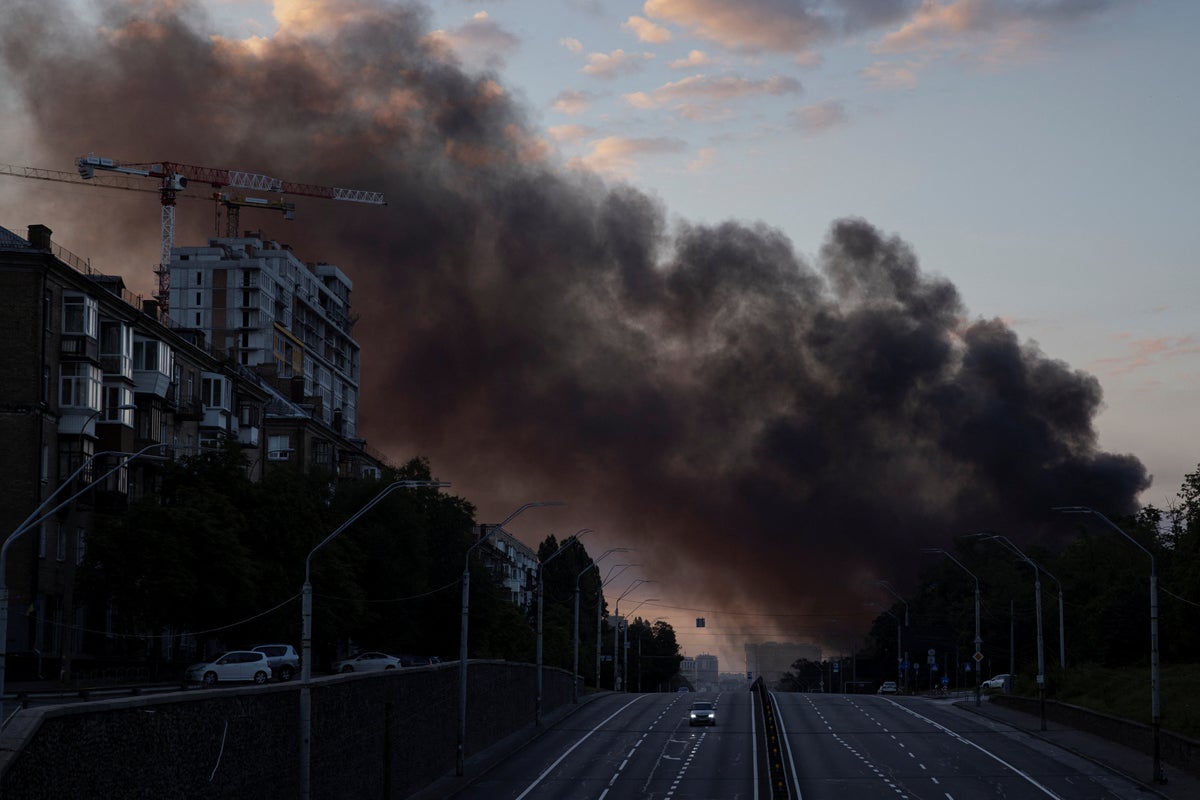
Moscow thought a massive barrage of ballistic and hypersonic missiles would force Ukraine onto the back foot. It didn't work. While Russian forces pounded residential districts across Kyiv with Iskander-M and Zircon missiles, Ukrainian drone operators were already lining up targets deep inside Russian territory.
The latest escalation in the Ukraine-Russia war shows how the fundamental strategy on both sides has shifted. Russia relies on raw firepower and terror strikes to break civilian morale in the capital. Ukraine answers by attacking the financial engine keeping Russia's war effort alive, specifically Russian oil depots, shadow fleet tankers, and critical logistics hubs hundreds of miles from the frontline.
Understanding this trade-off explains where the war is headed next.
Russia Massive Ballistic Missile Attack on Kyiv Exposes Air Defense Limits
The air raid alerts in Kyiv didn't give people much time to run. Ballistic missiles travel at extreme speeds, giving civilian populations mere minutes to reach underground shelters.
During the overnight raid, Russian forces launched a coordinated strike using 125 attack drones alongside 25 ballistic missiles and 10 Zircon hypersonic weapons. Explosions shook central and western districts including Lukianivska, Shevchenkivskyi, and Solomyanskyi. Falling debris set high-rise residential buildings, commercial warehouses, and administrative blocks on fire.
The attack revealed a brutal reality for Ukraine's defense network.
While air defense crews intercept the vast majority of incoming Iranian-designed attack drones, stopping high-velocity ballistic missiles is a completely different challenge. Ukraine relies almost entirely on U.S.-supplied Patriot systems to counter ballistic threats. Interceptor stockpiles are low, and Russia knows it. By overwhelming air defenses with cheap decoy drones before firing heavy ballistic volleys, Moscow forces Ukraine to make impossible choices about which targets to protect.
How Ukraine Strikes Russian Oil Depots to Sabotage Moscow Fuel Supply
Instead of matching Russia missile for missile, Kyiv focuses on economic and operational bottlenecks. Hours after the strikes on Kyiv, Ukrainian long-range drones struck deep into Russian territory.
The targets weren't selected at random. They represent the exact infrastructure Russia needs to refine, move, and profit from crude oil.
Direct Hits in Moscow and Tambov Regions
Ukrainian strike teams targeted the Nafto-Service facility in Noginsk, located in the Moscow Oblast over 300 miles from Ukraine's border. This depot acts as a primary fuel and lubricant distributor for Russian military units operating nearby. Secondary strikes hit logistics hubs in Tambov Oblast that supply critical components for drone navigation systems.
Sustained Pressure on Southern Russian Energy Hubs
In Stavropol Krai, Ukrainian drones hit fuel storage sites in Mikhailovsk for the third time in a month. Repeated strikes prevent Russian engineers from making repairs or rebuilding depleted reserves.
Target Breakdown
| Facility / Location | Type of Target | Strategic Impact |
|---|---|---|
| Noginsk Depot (Moscow Region) | Military Fuel Storage | Disrupts supply chains for military vehicles |
| Mikhailovsk (Stavropol Krai) | Commercial Energy Hub | Degrades regional fuel processing capacity |
| Black Sea & Azov Sea Routes | Shadow Fleet Tankers | Impairs unsanctioned crude export revenue |
The Black Sea Shadow Fleet Under Pressure
Energy warfare isn't limited to land storage tanks. Ukraine extended its reach into maritime logistics, striking three shadow fleet tankers in the Black Sea and Sea of Azov.
Russia relies on these unregistered or foreign-flagged vessels to bypass international price caps and ship crude oil abroad. Recent strikes damaged tankers near the Caspian Pipeline Consortium terminal off Novorossiysk.
By forcing Russia to divert air defense systems away from front-line positions to protect individual cargo ships and harbor installations, Kyiv hits two targets at once. It shrinks Kremlin revenue and opens up gaps in Russian frontline air cover.
Why Both Sides Are Accelerating Deep Strikes Right Now
Neither country can sustain a simple war of attrition along the current frontlines without looking for strategic leverage elsewhere.
- Russia's Objective: Moscow wants to destroy urban utility grids and terrorize civilians until public pressure forces Kyiv to accept terms.
- Ukraine's Objective: Kyiv aims to paralyze Russia's domestic energy economy, creating local fuel shortages and starving the Kremlin of foreign exchange revenue.
Ukraine's strategy is showing measurable results. Gasoline shortages have popped up in several Russian regions, and defense contractors are struggling to secure steady supplies of refined diesel.
What Happens Next
This cycle of retaliatory strikes will intensify over the coming months. If you are following the geopolitical developments or assessing energy market risks, watch these key indicators:
- Patriot Interceptor Supplies: Western deliveries of PAC-2 and PAC-3 missiles will dictate whether Kyiv can defend its urban centers against renewed ballistic barrages.
- Russian Domestic Fuel Prices: Watch for official price controls or export bans on Russian refined products, which signal critical supply stress at regional oil depots.
- Shadow Fleet Shipping Insurance: Heightened drone activity in the Black Sea will drive up maritime insurance premiums for shadow fleet vessels, further cutting into Moscow's net oil profits.
Keep a close eye on long-range drone production figures in Ukraine. As long as Kyiv keeps scaling its domestic drone manufacturing, no oil depot in western Russia is out of reach.