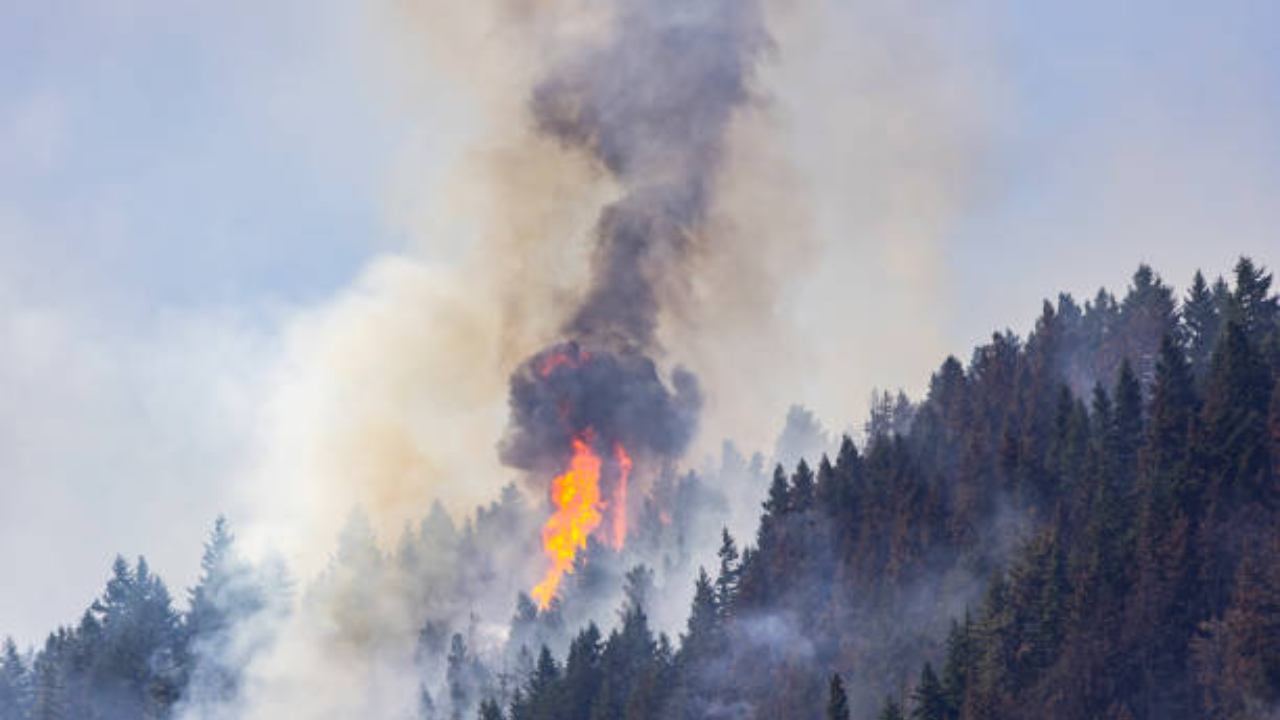
Fire usually arrives uninvited. In Roslyn, Washington, the town decided to send an RSVP instead.
Back on Labor Day weekend in 2017, the Jolly Mountain Fire barreled down toward the historic coal-mining town. The incident commander didn't mince words when briefing local emergency crews. If the flames reached the surrounding timber, large portions of Roslyn were completely indefensible. The wind shifted at the eleventh hour, sparing the community from catastrophe. But the message stuck. Sitting in the 99th percentile for wildfire risk nationwide, Roslyn was basically a matchbox waiting for the right spark.
Instead of waiting for the next disaster, local leaders did something radical. They started setting the woods on fire on purpose.
The Cost of a Century Without Fire
To understand why a mountain town would deliberately torch its own backyard, you have to look backward. Before white settlers arrived in the late 1800s, low-intensity fires swept through these ponderosa pine forests roughly every decade. Lightning strikes and controlled burns set by local tribes cleared out dead brush, pine needles, and saplings while leaving mature trees untouched.
Then came Smokey Bear and a century of aggressive fire suppression.
Federal and state land managers treated every flame as an enemy. They poured money into immediate extinguishment. It sounded smart on paper, but nature kept score. Without regular clearing, the forests grew dangerously dense. Trees choked each other out for water while climate change dried out the landscape. Dead branches piled high, turning a resilient ecosystem into a tinderbox.
When people built homes right up against these overgrown borders, the danger multiplied.
Fighting Fire With Fire
Following the 2017 near-miss, Chris Martin, an emergency management coordinator with the Roslyn Fire Department, offered to host a prescribed burn on private forestland he owned above the town. Residents panicked at first. Seeing smoke rise from the ridge right after a major scare felt counterintuitive.
Public outreach changed the narrative. Local leaders, fire districts, and groups like The Nature Conservancy teamed up to explain the math. If you don't remove the fuel proactively, nature will do it for you on the worst possible day.
Nine years later, the results are hard to ignore. A patchwork map of black and yellow zones now surrounds the town in a protective semicircle. The black markers represent more than 500 acres of forest deliberately burned. The yellow markers show areas treated with mechanical thinning.
This dual approach creates a physical fuel break. When the next major wildfire tests Roslyn's perimeter, it will run out of things to burn. The flames will drop from the canopy down to the forest floor, losing their ferocious momentum and giving ground crews a fighting chance.
The Red Tape Choking Prevention
Clearing 500 acres sounds impressive, but it took nearly a decade of grueling coordination. Prescribed burning isn't as simple as walking into the woods with a drip torch.
To handle just 55 acres, half a dozen organizations must coordinate across two full days of burning, followed by extensive post-fire monitoring. Crews dig containment lines, position water tenders, lay out hoses, and run safety briefings. Even with meticulous prep, strict clean air regulations frequently derail operations. Strict air quality rules designed to protect nearby communities often limit the narrow weather windows required for safe burning.
State officials note that Washington averages roughly 20,000 acres of prescribed burns annually across all lands, yet experts agree the state needs three to five times that volume to make a meaningful dent in forest health. Private landowners often feel left out of the equation, assuming wildfire management is strictly a federal or state responsibility. Roslyn proves that private citizens living along the wildland-urban interface have to take ownership of their safety.
Wildfires won't stop targeting Western towns. Roslyn just decided it's better to control the smoke today than lose everything tomorrow. Map out your local risk, connect with community-led fuel reduction groups, and support proactive land management before the weather turns.