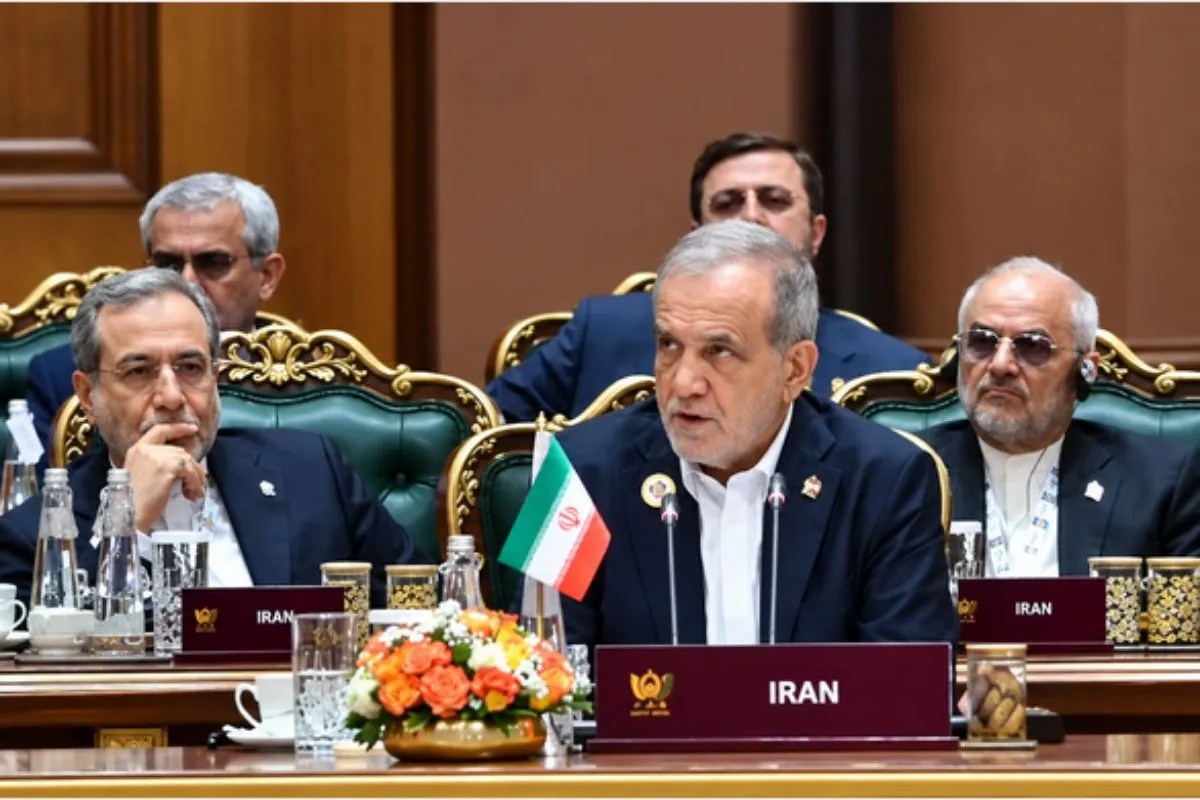
The Middle East sits on a razor edge right now. When Saudi Crown Prince Mohammed bin Salman hopped on the phone with US President Donald Trump, he wasn't just making small talk. He was trying to stop a catastrophic escalation. Washington was moments away from unleashing a massive bombing campaign targeting Iranian energy infrastructure. Riyadh knew exactly what that meant for the kingdom. If the US smashes Iranian power plants and oil facilities, retaliatory drones and missiles will inevitably land on Saudi soil.
Self-preservation is a powerful motivator. Saudi Arabia spent years trying to pivot toward economic diversification under Vision 2030, and grand mega-projects like NEOM don't mix well with regional total war. That is why MBS urged Trump to prioritize dialogue instead of military thunder.
The High Cost of the Strait of Hormuz Chokepoint
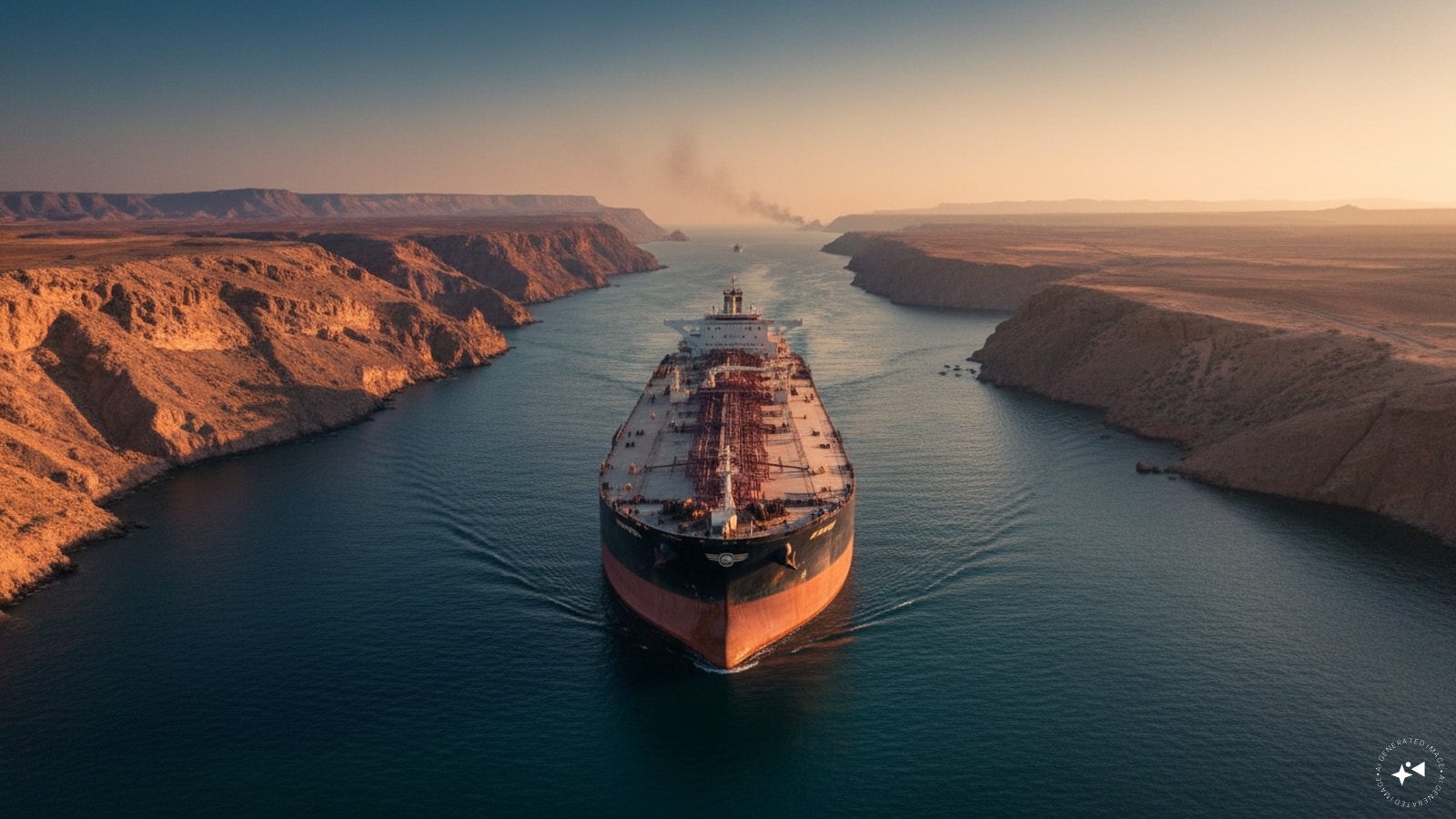
The immediate catalyst for the latest American war drums is the blockade of the Strait of Hormuz. Iran has choked off commercial shipping, forcing central command to reroute dozens of vessels and sending global energy markets into a tailspin. Trump wants an immediate, total opening of the strait and an absolute end to Tehran's nuclear ambitions.
Hitting Iran hard sounds simple on a campaign speech stage, but execution gets messy fast. Gulf states understand a simple reality. Military strikes won't magically clear the mines or stop asymmetric drone strikes overnight. Instead, they trigger a wider cycle of regional devastation.
Saudi leadership dispatched Defense Minister Khalid bin Salman to Washington earlier in the week to push this exact message behind closed doors. They want a diplomatic off-ramp. They want a truce that sticks, unlike the fragile June ceasefire that shattered within weeks.
Why Trump Backed Down, For Now
Trump announced a halt to the planned military strikes, claiming that regional countries and Tehran requested time to hash out a framework for a deal. Whether Iran actually asked for a pause remains disputed by Iranian officials, who claim their military stays on high alert.
Regardless of who initiated the text messages or phone calls, the reality is clear. The US president bowed to intense pressure from Middle Eastern allies who refused to be collateral damage in a protracted air war.
- Saudi Arabia fears direct infrastructure hits from Iranian proxies.
- Global shipping industries face billions in losses with every day the Hormuz chokepoint remains hostile.
- Israel continues to push for aggressive military action, creating a sharp diplomatic tug-of-war for Washington's attention.
What Happens Next in the US-Iran Standoff
De-escalation remains conditional and fragile. Trump noted that American forces remain locked and loaded, waiting to see if a viable treaty materializes. MBS and other regional mediators have a very narrow window to turn vague diplomatic hints into a binding agreement.
If you watch global oil prices or trade routes, don't exhale just yet. The underlying friction points—nuclear enrichment, proxy networks, and critical maritime lanes—remain completely unresolved. Diplomacy has a temporary seat at the table, but the guns are still loaded right outside the door.