You're driving down a dark highway, and a pair of glowing eyes suddenly leap into your headlights. That split-second panic ruins thousands of trips and costs billions in damages every year. But what if the best defense against these dangerous crashes isn't a better guardrail or a warning sign? What if it's a large predator?
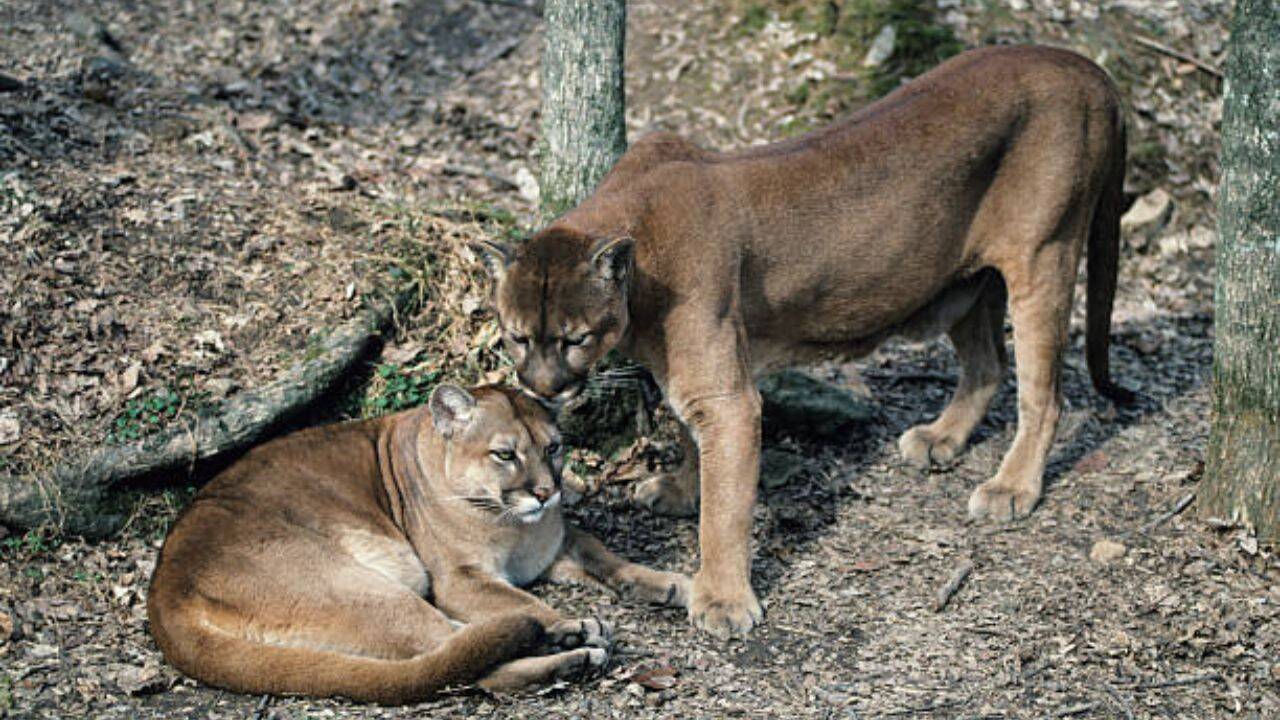
A study published in Current Biology reveals that pumas—also known as mountain lions or cougars—are quietly protecting human lives. By stalking the fringes of Washington's Olympic Peninsula, these big cats trigger behavioral changes in local deer that lead to a staggering 76% reduction in vehicle collisions.
Let's look at why this happens and what it means for human-wildlife coexistence.
The Science Behind the Landscape of Fear
Most people assume large carnivores only help ecosystems by eating sick or weak prey. But that's missing the bigger picture. When apex predators move into a region, they create what biologists call the landscape of fear.
Deer know that pumas love hunting near forest edges and dark roadside corridors. To avoid becoming dinner, deer change how they move through space and time.
Researchers tracked this using 503 camera traps and GPS collars on 59 pumas over a five-year period. The data shows clear survival tactics from the prey:
- Deer stayed 15% further away from roads in puma territories.
- Prey animals shifted their habits, choosing daylight hours instead of peak nighttime driving windows when visibility is lowest and crashes are most fatal.
- In areas with heavy puma activity, expected vehicle crash counts dropped from two collisions down to just half a collision per tracked zone—a massive 76% drop.
Why Most People Misunderstand Predator Benefits
We usually talk about large carnivores in terms of conflict. Ranchers worry about livestock, and suburban homeowners get nervous when a big cat wanders too close to a backyard.
Conservation Science Partners lead author Justin Suraci points out that we completely overlook the hidden perks. Predators provide a direct ecosystem service to human communities.
Think about the numbers in the United States alone. Wildlife-vehicle collisions account for more than 1.5 million accidents annually, resulting in roughly 200 human fatalities and billions in repair costs. If natural predators can deter deer from hitting our asphalt corridors, we gain a massive financial and safety win without spending a dime on concrete fences or automated warning systems.
What This Means for Future Road Safety
Don't expect state departments of transportation to start releasing pumas next to every major highway tomorrow. Real-world management is complicated, and living near apex predators requires caution and community planning.
This research does change how we should view land management. Protecting wildlife corridors and keeping predator populations healthy isn't just about saving endangered species. It's about keeping drivers safe on their nightly commutes.
Next time you hear about mountain lions reclaiming their historic territory, remember they might just be keeping you out of the emergency room.