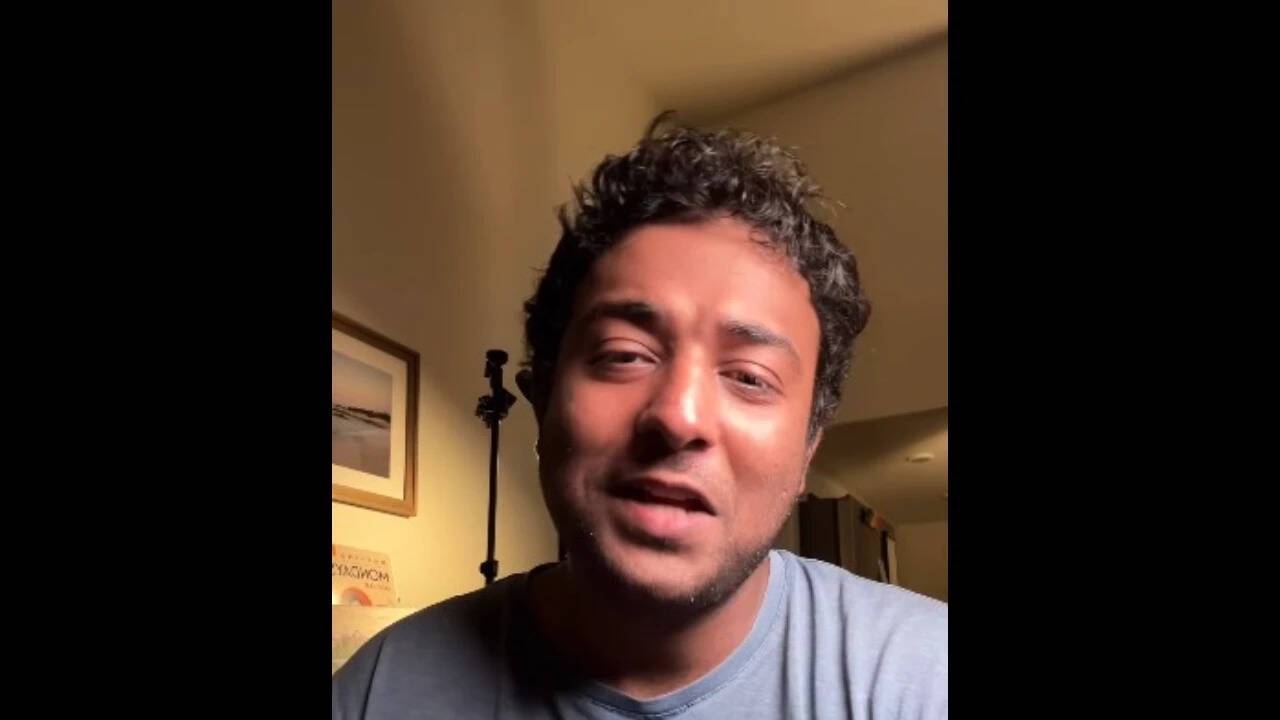
Two weeks inside an immigration detention facility will alter how you view the world. For Indian jazz guitarist Pritesh Walia, those fourteen days behind bars at the Adelanto ICE Processing Center in Southern California became a stark lesson in how fragile an artist's life abroad can be.
Walia was arrested unexpectedly by U.S. Immigration and Customs Enforcement (ICE) on August 2 after returning to Los Angeles. Federal officials claimed he failed to meet the requirements of his nonimmigrant status, pointing to visa complications. But looking past the bureaucratic jargon reveals a harsher reality. Talented international artists who enrich America's cultural fabric find themselves caught in a mechanical, unforgiving system that strips away their belongings, cuts off their communication, and treats them like numbers.
When you sit in a cell, the world shrinks instantly. Walia admitted that the isolation nearly broke him. Yet, his ordeal also exposes the wider systemic failures that hundreds of foreign musicians, students, and skilled workers face every single day.
The Reality of O-1 Visas and Sudden Detention
Walia moved to the United States from New Delhi to pursue world-class education in music. He built an impressive resume, studying at the Musician’s Institute in Los Angeles, the Berklee College of Music, and the New England Conservatory. He eventually secured an O-1B visa, a designation meant for individuals with extraordinary ability in the arts.
People assume that holding an extraordinary ability visa shields you from routine immigration nightmares. It doesn't.
Immigration enforcement doesn't care about your Berklee degree or your upcoming jazz gigs. When ICE officers detained Walia at the airport, they confiscated his personal phone and cut him off from the outside world. Friends and family had to scramble, establishing communication lines through legal representation and social media to figure out where he had vanished.
This isn't an isolated incident. It’s a feature of an increasingly hostile travel climate for visa holders. Immigration attorneys have repeatedly warned that even domestic travel inside the U.S. carries hidden risks for international artists and professionals whose paperwork is subject to sudden scrutiny or administrative misinterpretation.
Why the Music Community Had to Step Up
Walia’s release on bond after fourteen days didn't happen because the system suddenly grew a conscience. It happened because the jazz and music community raised hell.
When teachers like former Musician's Institute instructor Brad Rabuchin spoke out against the arbitrary nature of the arrest, and when hundreds of supporters flooded digital spaces with awareness campaigns, the narrative shifted. Walia noted that reading hundreds of waiting messages gave him something to hold onto while he felt completely defeated.
Artists moving to Western countries often do so in total isolation from their familial safety nets. When the state targets them, they have no buffer except the community they manage to build around themselves. Walia's case proves that peer solidarity matters, but it also highlights a terrifying truth: relying on public outcry to fix administrative overreach is a terrible substitute for actual justice.
Navigating Chronic Health Struggles Behind Bars
What makes Walia's detention even more egregious is his personal health background. Just a few years prior to this arrest, Walia faced a severe medical crisis. He was diagnosed with multiple chronic conditions, including persistent postural perceptual dizziness, intracranial hypertension, and chronic vestibular migraines that caused constant vertigo, balance issues, and blurry vision.
Dealing with complex neurological conditions requires medical consistency, low-stress environments, and proper care. Throwing a musician with chronic vertigo into a high-stress detention facility like Adelanto isn't just bureaucratic procedure—it is outright cruelty. The physical toll of those fourteen days compounded an already exhausting battle with chronic illness, making his survival inside that facility a testament to his mental resilience.
What International Artists Must Protect Themselves Against
If you're an artist or skilled worker living abroad on a temporary visa, Walia's case serves as a loud wake-up call. You cannot treat immigration status as a "set it and forget it" piece of paperwork.
- Keep digital and physical copies of every single visa approval notice, I-94 document, and passport stamp with a trusted friend or attorney.
- Know your immediate contacts. Ensure your close friends or management know your travel itineraries so they can act within hours if you are detained at a port of entry.
- Build a community before you need one. Your network is your primary line of defense when institutional support fails.
Pritesh Walia is back home on bond, healing, and taking time to process a fortnight that changed him forever. His immigration case is far from over, and the broader fight for fair treatment of international creators in the United States continues. Support artists who keep culture alive, and keep pushing for transparency in a system designed to break them.