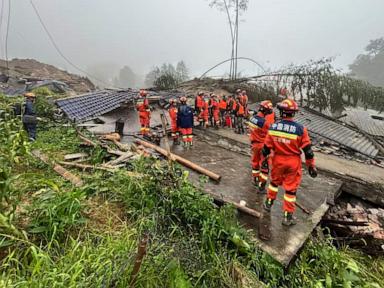
When a disaster strikes thousands of miles away, the immediate instinct for many Australians is to pack a bag or frantically wire money to the first charity link that appears on social media. But throwing cash at a screen without a plan often creates logistical bottlenecks on the ground. Right now, communities along the Nepal-China border are dealing with catastrophic flash floods and landslides. Homes, roads, and vital bridges are completely gone.
If you're sitting in Sydney, Melbourne, or a regional hub wondering how to actually make a difference without getting scammed or worsening the chaos, you need to understand where your money goes and what local aid workers actually need.
Why Coordinated Appeals Beat Ad-Hoc Donations Every Time
Let's be honest. Setting up a personal GoFundMe or buying random supplies to ship overseas feels proactive. It also rarely works. When transport infrastructure collapses—like it has across Nepal's mountainous terrain—sending boxes of old clothes or canned goods creates a massive sorting nightmare for local volunteers. Warehouses overflow with items nobody requested, while doctors run out of clean bandages.
This is why major humanitarian coordination matters. Fourteen prominent Australian charities joined forces under the Emergency Action Alliance to launch a unified Nepal Flood Disaster Appeal. Instead of splintered groups competing for attention, organizations like Save the Children, Oxfam, and CARE Australia pool resources, logistics, and local partnerships.
When you donate through a unified channel, your funds buy what is needed right where it is needed. That means purchasing food locally to support surviving regional markets, or deploying pre-positioned medical kits rather than waiting months for international freight.
The Real Cost of Remote Emergencies
The scale of this crisis goes beyond washed-out roads. Entire villages are cut off from clean water supplies, spiking the risk of waterborne diseases like cholera. Thousands of families are sleeping in makeshift open-air camps, enduring cold mountain nights without blankets or dry clothing.
The Australian government stepped in with a five-million-dollar assistance package. This funding splits across the World Food Programme, the Australian Humanitarian Partnership, and the EAA. Specialized humanitarian experts from Australia are already on the ground, working alongside local emergency services.
Yet government aid is only part of the puzzle. Private donations fill the critical gaps that official bureaucratic channels take time to clear. Local partners on the ground know every footpath, every hidden valley, and every vulnerable family. They don't need a map; they need financial fuel to keep operations moving.
How to Verify Where Your Money Goes
Scammers love a crisis. Within hours of a major weather event, fraudulent websites pop up mimicking legitimate relief funds.
Before you type your credit card details into any portal, check for these markers:
- The organization is a registered member of the Australian Council for International Development.
- The appeal uses secure, established payment processors rather than obscure cryptocurrency wallets or direct peer-to-peer transfers.
- The charity explicitly details which local partner organizations are executing the relief work inside Nepal.
If you want to contribute safely, you can donate directly through the Emergency Action Alliance website or call their dedicated hotline at 1300 939 000.
What to Do If You're Looking for Missing Family Members
For Australians with family or friends traveling in the affected regions of Nepal, the uncertainty is agonizing. Damaged telecommunications towers and knocked-out power grids mean traditional phone lines are down.
The Department of Foreign Affairs and Trade is actively working with local authorities and tour operators to locate unaccounted-for travelers. If you're searching for someone caught up in the disaster, stop relying on social media rumors. Contact the 24-hour Consular Emergency Centre directly on 1300 555 135 if you're inside Australia, or +61 2 6261 3305 if you're calling from overseas. Keep your loved one's full passport details, last known itinerary, and tour group information ready.
Stop waiting for the news cycle to tell you when the crisis is over. Check your sources, give through verified channels, and keep your support targeted where it counts.