Panic spread fast through Pyeongtaek. Sirens blared, emergency text alerts flashed on phones, and local residents scrambled to clear the area near Osan Air Base. Rumors of a catastrophic white phosphorus leak had turned a standard Tuesday afternoon into chaos.
Yet, the entire scare evaporated almost as quickly as it started.
Weeks after local authorities urged immediate evacuations and warned civilians to steer clear of skin exposure, the narrative completely flipped. The United States military stepped forward with a blunt reality check. There was no chemical leak. There was no white phosphorus.
So how did a routine munitions check turn into an international chemical scare?
Inside the Osan Air Base Confusion
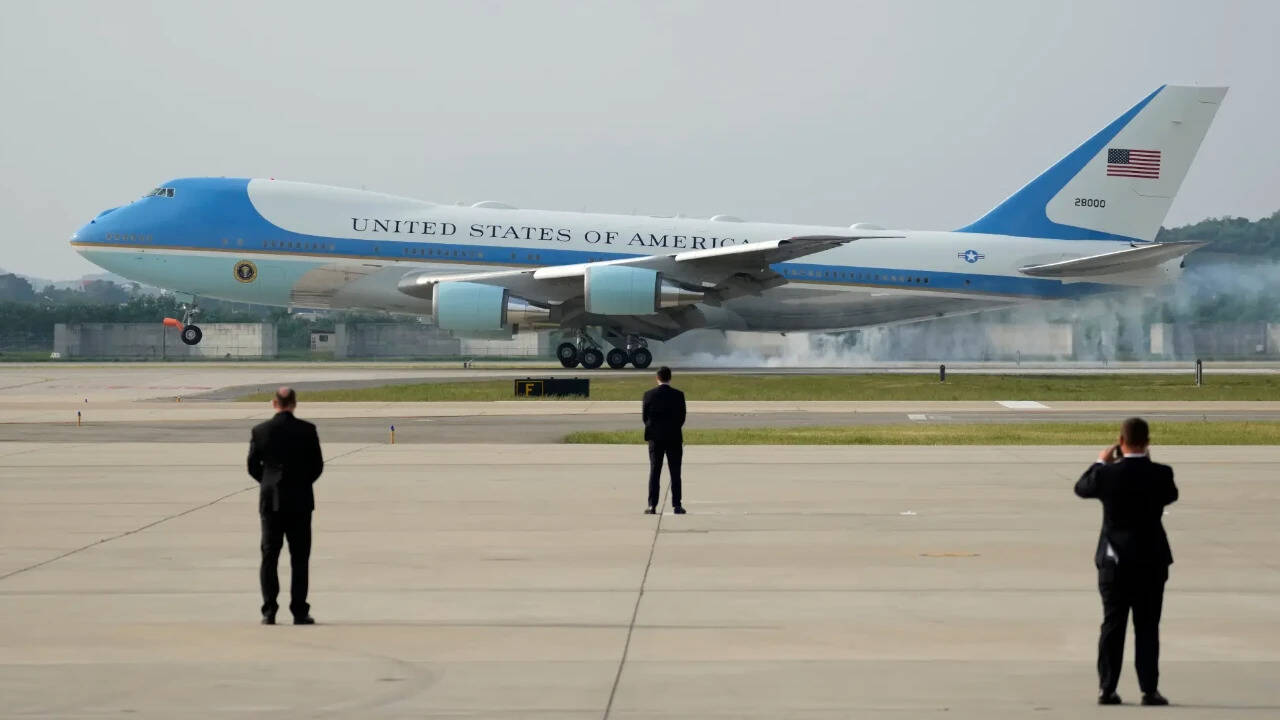
On July 28, the Pyeongtaek city government triggered emergency protocols after receiving reports from inside the K-55 installation, widely known as Osan Air Base. Officials sent out urgent disaster alerts warning people living nearby to seek safe shelter. Police cruisers rushed to seal off perimeters, establishing 300 to 500-meter safety zones to block foot traffic and divert cars.
The initial panic stemmed from what looked like active contamination. Inspectors spotted crystallization and unusual residue during a routine hardware audit of munitions. Initial field assumptions pointed fingers straight at white phosphorus—a volatile, highly reactive chemical used in smoke shells and incendiary weapons that burns fiercely upon contact with air.
Local government agencies reacted out of an abundance of caution, publicizing the risk before a deep laboratory breakdown could take place. The evacuation order lasted roughly thirty minutes before officials told residents they could head back home, claiming initial decontamination had finished.
The Truth Behind the Residue
Real answers took days to surface.
When U.S. military investigators completed their thorough follow-up analysis, the terrifying chemical threat vanished. The substance found on the hardware wasn't toxic white phosphorus at all. It was simple surface corrosion.
Years of environmental exposure inside storage facilities had caused natural chemical breakdown and crystal buildup on metallic ordinance surfaces. It looked scary, but it posed zero hazardous threat to human health or the surrounding environment. Col. Ryan Ley, commander of the 51st Fighter Wing, later thanked the local community for their patience while hazardous material response teams verified the safety of the base.
No injuries occurred. No toxic clouds formed. The whole event boiled down to misidentified rust and rapid communication missteps under pressure.
Why This Scare Hit Different
You have to look at the broader geopolitical context to understand why local authorities pulled the trigger on evacuations so quickly.
Roughly 28,500 American service members are stationed across South Korea to serve as a defensive buffer against North Korean aggression. That massive military footprint has spent decades rubbing shoulders with local civilian populations. Tensions flare easily. Incidents involving foreign service members or base infrastructure regularly trigger intense public scrutiny and lingering anti-American sentiment among certain activist groups.
Just days prior to the chemical scare, eight local students were detained after trying to breach Osan Air Base while chanting slogans against the U.S. military presence. Local officials know that any hint of environmental danger or safety negligence at a foreign base creates an immediate political firestorm. Moving fast with public alerts is safer politically than waiting around for confirmation, even if it causes brief panic.
What Happens Next
Mistakes teach hard lessons.
Emergency response teams on both sides learned that field identifications need better cross-verification before pushing panic buttons to millions of civilian phones. While the collaboration between Pyeongtaek city officials and base commanders ultimately prevented total gridlock, the episode highlights the hair-trigger sensitivity surrounding military bases embedded near urban centers.
Double-check your sources before reacting. When heavy machinery and aging munitions share space with major metropolitan populations, minor rust can easily look like a catastrophe.
Watch Emergency At US Military Base? White Phosphorus Leak Sparks Fear, Evacuations In South Korea to see a broadcast report detailing the initial emergency response and public anxiety surrounding the incident at the air base.
http://googleusercontent.com/youtube_content/1