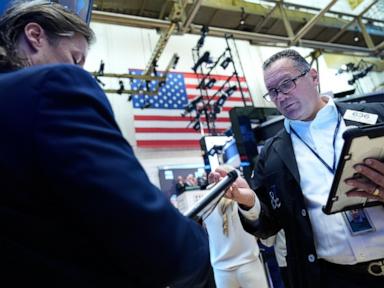
Crude oil prices just shot past $100 a barrel again, jumping more than 3 percent right at market open. If you own a car, heat your home with oil, or buy anything transported by cargo ship, this isn't just distant geopolitical noise. It touches your wallet directly.
Fresh Houthi strikes hit Saudi Arabia's southern Jazan province, leaving visible damage on homes and a local mosque. At the exact same time, a commercial vessel in the Strait of Hormuz took a direct hit from a projectile, forcing the crew to abandon ship amid a raging fire.
When you combine these attacks with the recent shutdown of Saudi Arabia's vital East-West pipeline, you get a market panic that traders can't ignore. Brent crude futures surged to $108.23 per barrel, while West Texas Intermediate climbed to $103.20. Let's look at why this specific choke point keeps sending shockwaves through the global economy.
The Choke Point That Runs the World
People often forget how fragile global energy logistics actually are. The Strait of Hormuz isn't just a random body of water. It is a watery highway carrying a massive share of the world's daily petroleum consumption. When a vessel gets struck there, insurance rates spike instantly, tanker captains refuse to sail, and energy traders hit the panic button.
Saudi Arabia tried to build a safety valve years ago. They created the East-West pipeline to bypass the strait entirely, pumping oil across the kingdom straight to the Red Sea port of Yanbu. But that backup plan broke down when a drone strike originating from Iraq forced its temporary closure.
Suddenly, the world's largest oil exporter lost its primary escape route. Industry data shows Yanbu has enough inventory to cover maybe five to seven days of normal exports. After that, the buffer runs dry.
Why Diplomacy Keeps Failing
Markets hate uncertainty more than bad news. Scheduled emergency talks in Oman between Gulf nations and Iran were supposed to happen to de-escalate tensions around maritime traffic in the Persian Gulf. Instead, Omani Foreign Minister Badr Albusaidi announced the meeting had to be postponed.
Without active diplomatic channels or a quick fix to repair the bombed infrastructure, traders are pricing in worst-case scenarios. IG market analyst Tony Sycamore pointed out that crude could easily extend its gains toward the $119.48 high seen back in March unless talks resume or production lines come back online immediately.
What This Means for Your Household Budget
Energy shocks never stay contained to the pump. Higher Brent and WTI futures mean rising diesel and jet fuel costs. Shipping companies pass those expenses down the line. You'll see it reflected in grocery store prices, retail goods, and utility bills within weeks.
Protests over rising fuel costs are already popping up in various regions as the ongoing conflict squeezes global supplies. If you're running a business dependent on logistics, or trying to budget your personal transport costs for the upcoming months, don't expect relief anytime soon.
Keep an eye on pipeline repair timelines and regional diplomatic developments. If those talks in Oman get rescheduled and actually yield results, prices might stabilize. If the violence escalates further into critical shipping lanes, prepare for an expensive ride.