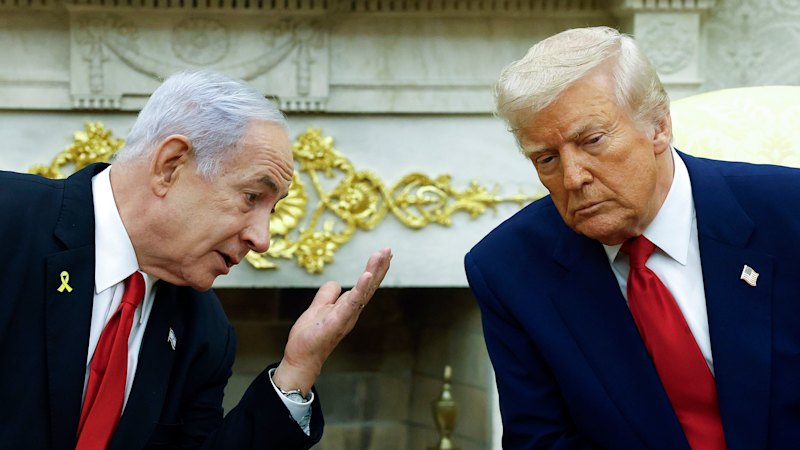
New York City Mayor Zohran Mamdani spent months promising his political base that if Israeli Prime Minister Benjamin Netanyahu stepped foot in the Big Apple, the NYPD would be waiting with handcuffs. He pointed directly to the arrest warrant issued by the International Criminal Court accusing the Israeli leader of war crimes in Gaza. But this week, reality finally caught up with political rhetoric.
In a video posted to social media, Mamdani conceded that City Hall lacks any legal authority to execute an international warrant against a foreign head of government.
He didn't back off his political stance—calling Netanyahu the "architect of a horrific genocide" who remains unwelcome in New York—but he admitted the city's hands are tied. Instead, he shifted the burden to Washington, urging federal agencies to step in when Netanyahu arrives for the United Nations General Assembly this fall.
The admission wasn't a surprise to constitutional scholars or international law experts. It was an inevitable collision between municipal grandstanding and hard federal law.
The Legal Wall Blocking New York From Arresting Netanyahu
Why can't a mayor simply order local police officers to detain a foreign leader wanted by an international tribunal? The answer boils down to basic jurisdiction and federal supremacy.
First, neither the United States nor Israel signed the Rome Statute that created the International Criminal Court. Washington explicitly refuses to recognize the ICC's authority over non-member nations.
Second, federal legislation blocks local governments from aiding the court. Under the American Servicemembers' Protection Act of 2002, municipal and state law enforcement agencies are barred from assisting or cooperating with the ICC. Had Mamdani ordered the NYPD to detain Netanyahu, city officers would have been violating federal law.
Then there's the treaty governing the United Nations itself. The 1947 UN Headquarters Agreement guarantees full diplomatic immunity and unhindered access to foreign delegates and heads of state traveling to UN headquarters in Manhattan. Even if a local prosecutor wanted to press local charges, federal diplomatic immunity overrides municipal police power every single time.
Clash With Washington And International Backlash
Mamdani's campaign pledge drew fierce condemnation long before his formal admission.
President Donald Trump took to Truth Social to slam the idea, stating flatly that Netanyahu "will not be arrested, in any way, shape, or form" while visiting the country. Trump pointed out that Washington views Israel as a core ally fighting against regional threats like Iran.
Israeli officials reacted with anger. Israel's Ambassador to the UN, Danny Danon, slammed Mamdani's statements as anti-Israel posturing, telling the mayor to focus on local city management rather than foreign policy. Netanyahu's office dismissed the underlying ICC warrant as baseless political theater from a court with zero jurisdiction over Israelis or Americans.
Local critics inside New York were equally blunt. State lawmakers questioned whether Mamdani was stepping outside his constitutional bounds by using municipal legal resources to investigate arresting a foreign official. Former New York governors and attorneys general have repeatedly noted that municipal police forces have no standing in foreign affairs.
Politics Of The Campaign Trail Versus The Reality Of Governing
So why make the promise in the first place?
For progressive leaders like Mamdani, taking a hard line against foreign leaders accused of human rights abuses plays directly to a passionate base. Polling shows a growing shift among younger voters and progressive Democrats who want the U.S. to take a tougher stance on foreign aid and international accountability. Pledging to use municipal power to uphold ICC warrants generates national headlines and mobilizes grassroots support.
Yet governing forces leaders to confront the strict limits of municipal power. A city mayor controls sanitation, public housing, local transit, and city policing—not international treaties or foreign diplomacy.
What Happens When Netanyahu Arrives In September
Netanyahu is scheduled to address the UN General Assembly in New York. Here is how the situation will actually play out on the ground:
- Federal Protection Takes Charge: The U.S. Secret Service, alongside the State Department's Diplomatic Security Service, will handle the Israeli Prime Minister's security detail.
- NYPD Standard Operations: City police will focus strictly on traffic control, crowd management, and protest monitoring around Midtown Manhattan.
- No Local Detainments: City Hall will not issue any orders or warrants to intercept diplomatic motorcades.
- Widespread Protests: Expect large demonstrations outside the UN headquarters, where Mamdani and local advocacy groups will focus their efforts on speech and protest rather than law enforcement action.
The lesson here is simple: while local politicians can use their platforms to voice deep dissatisfaction with global events, the legal machinery of national sovereignty and diplomatic protection remains firmly in federal hands.



