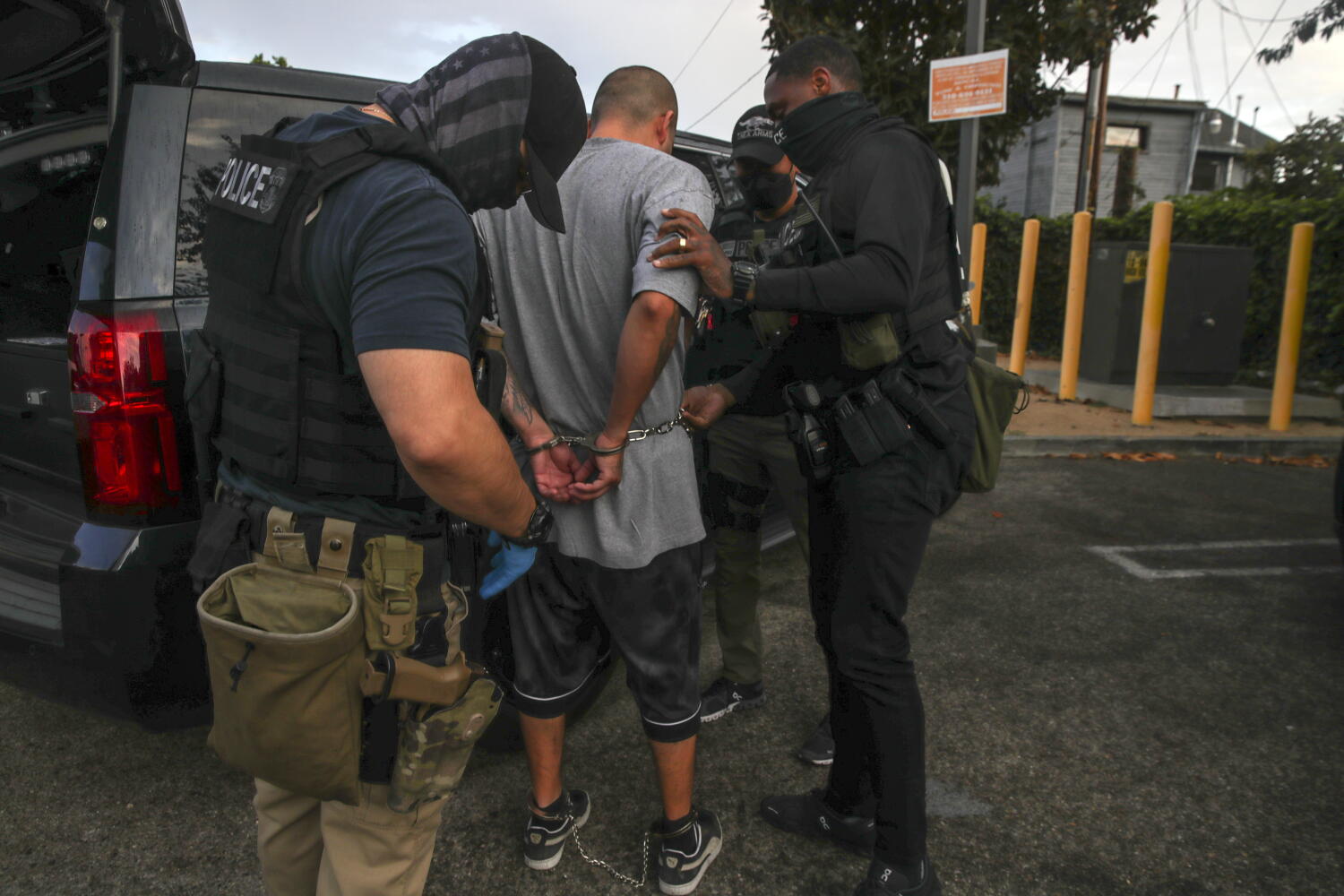
Federal immigration agents in Southern California can no longer sweep up individuals without a warrant simply because they suspect someone is in the country unlawfully. A federal court just drew a hard line in the sand, and it changes the entire playbook for local enforcement.
U.S. District Judge Maame Ewusi-Mensah Frimpong issued a sweeping preliminary injunction blocking federal officers from executing warrantless civil immigration arrests unless they can prove a legitimate flight risk. If you have been following the aggressive enforcement tactics sweeping across Los Angeles, Orange, Riverside, and surrounding counties, this ruling strikes right at the core of how those operations have been run.
Why the Law Requires More Than Just Suspicion
Under federal statute, immigration officers have a narrow window for arresting someone without a signed warrant. They need probable cause for two distinct things: that the person is undocumented, and that the person is likely to escape before an official warrant can be obtained through proper channels.
For months, attorneys and civil rights advocates argued that federal agents were completely ignoring the second requirement. They weren't checking for community ties, stable employment, or a home address. Instead, they treated undocumented status itself as an automatic green light for immediate detention.
The court looked at the data and agreed. In a review of 113 arrest records compiled during the lawsuit (Vasquez Perdomo v. Mullin), nearly 80 percent of the reports contained either zero escape risk assessment or relied on lazy, copy-and-paste boilerplate language. In some instances, official arrest paperwork flat-out contradicted body camera footage. One report claimed a target was running away from law enforcement, while the actual video showed a man walking calmly at a normal pace while texting on his phone.
The End of Standardized Shortcuts
The ruling takes direct aim at internal agency directives, including a memo issued earlier this year by former acting ICE director Todd Lyons. That memo basically told officers they could make on-the-spot assumptions about likelihood of escape.
Judge Frimpong slammed that practice. She noted that the government has maintained an ongoing policy and practice of bypassing the law entirely.
Moving forward, agents operating within the Central District of California must document specific, particularized facts proving someone is genuinely trying to flee before slapping cuffs on them without a warrant. Simply existing in the country without legal status is no longer enough to justify an instant, warrantless arrest. The judge even rejected a government request for a two-week delay to review the decision, noting that federal authorities cannot claim harm simply because they are being ordered to follow the law.
What Happens Next on the Ground
If you live or work in Southern California, this injunction creates an immediate shift in accountability. Advocacy groups and legal clinics are mobilizing to monitor compliance closely. Federal agents can still pursue individuals, but they have to do it by the book—securing proper warrants or building a legitimate, fact-backed case that a specific person is actively escaping.
The legal battle isn't over yet, as separate claims regarding racial profiling and aggressive community sweeps are still heading down the pike. But for now, the courtroom has put a major speed bump in front of unchecked enforcement tactics. Know your rights, track how local agencies respond, and expect federal lawyers to appeal this decision aggressively in the coming weeks.