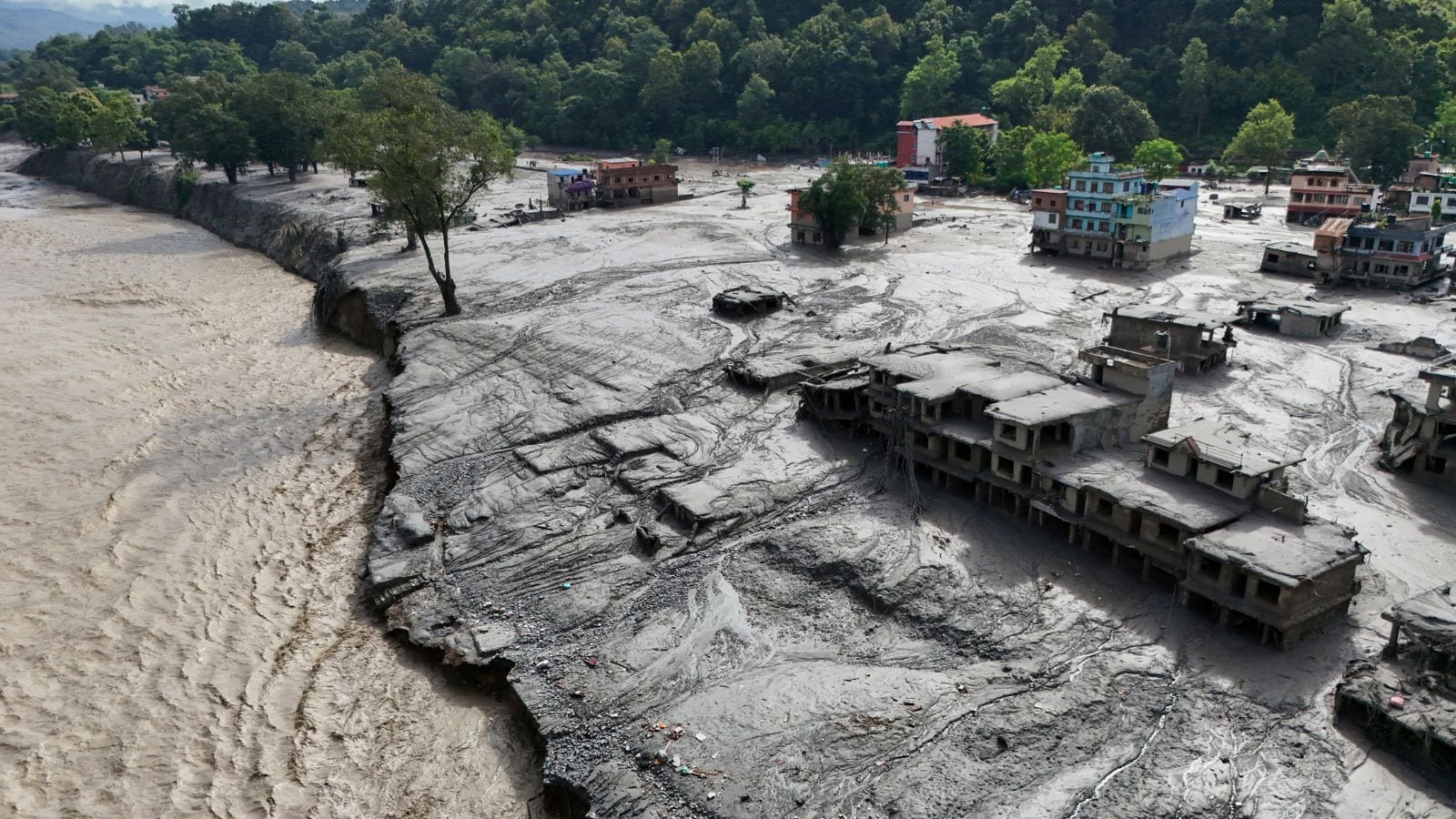
Disasters in the Himalayas don't arrive quietly. When a massive ice-rock avalanche and subsequent flash floods tore through northern Nepal, sweeping away roads, bridges, and hydroelectric facilities, the human cost was immediate. Over 460 lives were lost, and hundreds more went missing. Now, the fiscal reality is sinking in. Finance Minister Swarnim Wagle estimates that initial reconstruction will require a staggering $4 billion to $5 billion.
That figure equals roughly a tenth of the nation's entire annual economic output. For a developing country relying heavily on remittances, tourism, and expanding energy sectors, finding five billion dollars is an uphill battle.
The Economic Shocks Hitting Nepal Right Now
You can't talk about Nepal's recovery without looking at the core economic pillars that just took a direct hit. Hydropower makes up about 94 to 95 percent of the country's installed electricity capacity. When at least eleven major hydropower projects and numerous independent power facilities in the affected corridors get wrecked, national power generation drops offline.
Power plants aren't the only assets buried in mud. Roads, bridges, and mountain tracks have been completely wiped out. This isolates communities and chokes off commerce. Tourism, another critical driver of foreign exchange, faces massive headwinds as trails and access routes remain broken.
According to the National Disaster Risk Reduction and Management Authority, direct physical damage to property, housing, and infrastructure has already blown past NPR 387.54 billion, which translates to roughly $2.56 billion. The immediate four-month emergency response requires another $53 million just for temporary shelters, emergency drinking water, and cleared routes.
Where Will the Money Come From?
Governments cannot magic billions of dollars out of thin air. Nepal's public debt is already hovering close to 50 percent of GDP, and the country continues to run a fiscal deficit. Relying purely on domestic borrowing will spike debt-servicing costs and rob funding from schools and hospitals.
Instead, Kathmandu has to piece together a complex funding puzzle:
- Internal Reprioritization: Diverting current budget allocations and tapping existing domestic disaster-response reserves.
- International Assistance: Foreign partners have stepped up with immediate relief packages. The European Union released €2 million, the United Kingdom pledged a £5 million recovery package, and countries like India and China have deployed specialized rescue teams and tens of tons of humanitarian supplies.
- Strategic Borrowing: Securing low-interest, rapid-disbursal loans from multilateral institutions that won't cripple future generations with unbearable debt service.
What Recovery Means for the Future
Rebuilding after a Himalayan flash flood isn't just about putting back what was there before. If you simply pave the same roads along the same fragile river corridors, you're waiting for the next catastrophe.
Engineers and policymakers face tough choices. Infrastructure needs to be redesigned for climate resilience, keeping glacier dynamics and extreme weather shifts in mind. Prioritizing projects correctly will make or break the recovery. Roads connecting isolated valleys and energy grids must come first, while everything else stands in line.
The road ahead is long, expensive, and unforgiving. Nepal doesn't just need financial aid. It needs smart execution that turns a $5 billion crisis into a more resilient future.