Ukraine’s fertile black earth, known as chernozem, has fed millions across Europe and Asia for generations. Years of intense artillery fire, armored vehicle tracks, leaking fuel, and heavy toxic explosives have turned vast stretches of this prime agricultural land into poisoned soil. Digging up millions of acres of contaminated dirt with heavy machinery isn't just absurdly expensive; it's practically impossible.
That's why researchers backed by NATO are turning to a surprisingly simple, low-tech weapon: a 13-foot-tall perennial grass called Miscanthus x giganteus. If you found value in this post, you might want to check out: this related article.
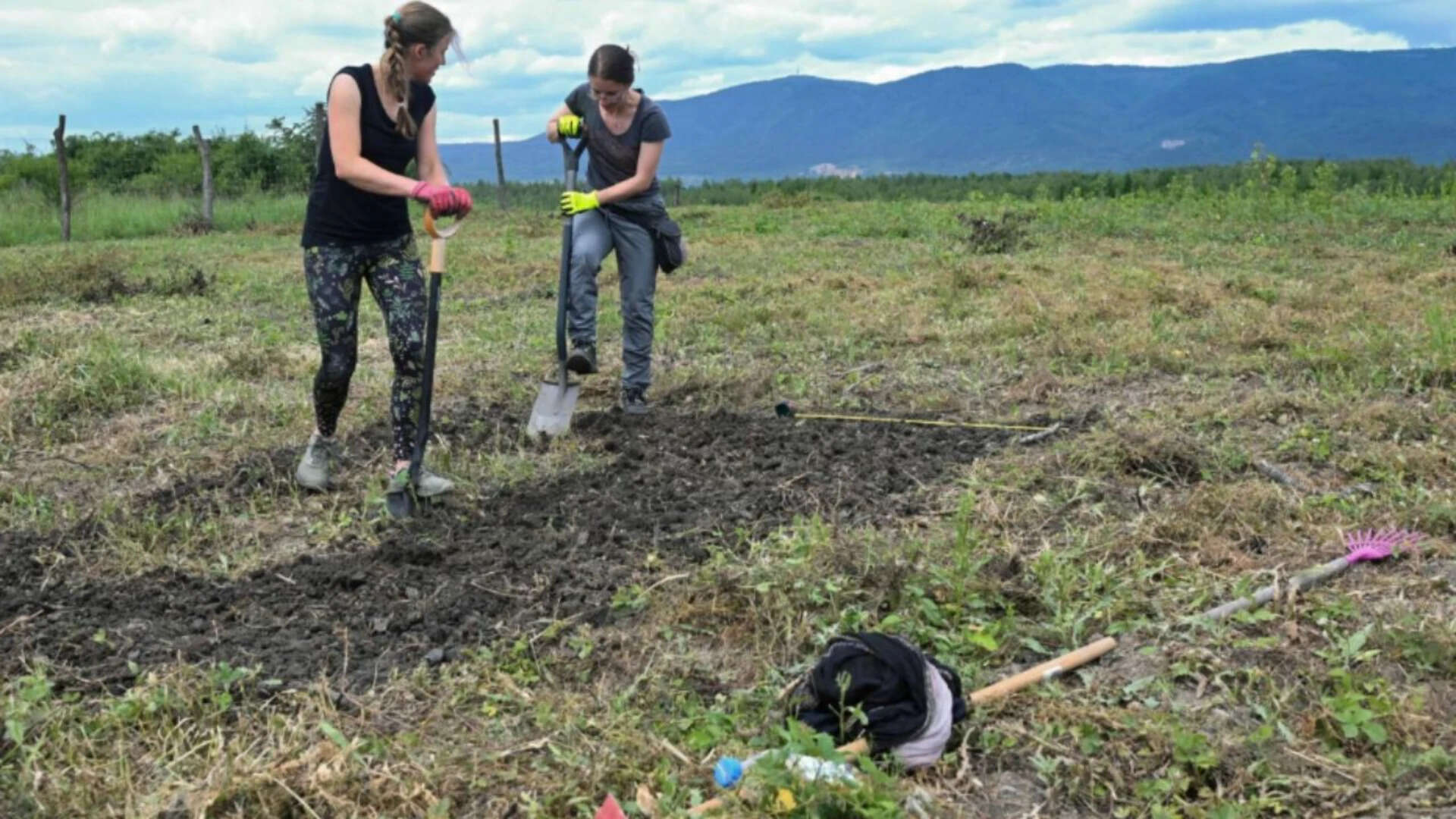
Right now in Vorzel, near Bucha—a suburban region outside Kyiv devastated during the early months of the invasion—scientists are cultivating test plots of giant miscanthus. The goal isn't just to hide war scars. It's to pull heavy metals out of the earth, break down residual explosive compounds, and restore the biological health of the soil so farmers can eventually step back into their fields.
Here's how this natural soil cleanup works, why NATO is funding it, and what it really takes to bring destroyed farmland back to life. For another angle on this story, see the latest coverage from TIME.
The Toxic Legacy Left Behind in Ukrainian Soil
War damages land far beyond what the naked eye can see. When artillery shells detonate, they don't just leave craters. They blast heavy metals like lead, cadmium, nickel, and copper straight into the dirt. Unexploded ordnance, burning fuel tanks, and destroyed military vehicles spill petroleum hydrocarbons and nitroaromatic explosive residues like TNT directly into the topsoil.
Heavy machinery and tank tracks compress the earth so tightly that oxygen and water can no longer penetrate. Soil micro-organisms die off. Ecosystem functions break down.
When Ukrainian forces liberated Vorzel and deminers cleared the explosive traps, what remained was dead, disrupted soil. You can't simply scatter wheat or corn seeds onto land polluted with heavy metals and oil residues. Food crops absorb those toxins, passing heavy metals directly into the human food supply chain.
Removing millions of tons of topsoil for chemical washing or landfill disposal would cost billions and destroy the natural humus layer completely.
How Giant Miscanthus Cleans Up War Zones
Scientists call the process phytoremediation. It sounds complex, but it basically means using living plants as natural water and soil filtration systems.
Miscanthus x giganteus is a hybrid perennial grass native to East Asia. It grows up to 13 feet high, thrives on nutrient-poor soil, requires zero pesticides, and tolerates environmental stresses that would kill standard crops.
The secret lies beneath the surface. Giant miscanthus develops a massive, deep root system that acts as a natural vacuum and storage bank.
Trapping Heavy Metals Underground
Heavy metals like zinc, nickel, and lead don't break down over time. They sit in the soil indefinitely. The root network of giant miscanthus absorbs these trace metals and locks them away in the root tissue below ground. This process, known as phytostabilization, prevents toxic metals from washing into local groundwater supplies or blowing away as dangerous airborne dust.
Breaking Down Explosives and Fuel
Unlike heavy metals, organic pollutants like petroleum products, oil spills, and chemical explosive residues can actually be decomposed. Miscanthus pumps up to 40% of the carbon it produces during photosynthesis down through its root network into the surrounding dirt. This carbon surge feeds native soil micro-organisms, giving microscopic bacteria and fungi the energy they need to break down complex hydrocarbons and explosive residues into harmless compounds.
Keeping Above Ground Crops Safe
Because heavy metals stay locked underground within the roots, the towering 13-foot stems and leaves that grow above ground remain clean. Harvesting the top stalks leaves the accumulated toxins buried safely beneath the surface.
Turning Toxic Land into Clean Energy
Cleaning up polluted land usually yields nothing but hazardous waste. Giant miscanthus flips that formula entirely.
Once the tall grass matures each year, farmers can harvest the dry stems and burn them as clean bioenergy for heat and power. In Western Europe, miscanthus is already grown heavily as an energy crop.
This gives local communities an immediate economic payback while the soil heals. A single planting of miscanthus lasts 20 to 25 years without needing to be resown every season. Ukraine gets a dual benefit: a steady supply of locally grown biomass for heating during winter fuel shortages, alongside a long-term soil restoration engine.
Inside the NATO Sponsored Project
The effort is spearheaded by environmental scientist Dr. Valentina Pidlisnyuk of Jan Evangelista Purkyne University (UJEP) in the Czech Republic, alongside researcher Josef Trogl and an international coalition from Canada, Croatia, Kazakhstan, Ukraine, and the United States.
Funded through NATO’s Science for Peace and Security programme, the €346,000 project began trials back in 2023 and runs through 2027.
To test how the plant handles severe environmental degradation, UJEP researchers first ran trial plantings on an abandoned brown coal mine near Most in the northern Czech Republic. Once they proved miscanthus could regenerate severely stripped soil, they took the project straight to the war-damaged grounds near Bucha.
Initial field testing in Vorzel has shown encouraging progress:
- Higher soil carbon sequestration compared to conventional farm crops
- Noticeable increases in soil micro-organism populations around the plant root zones
- Steady buildup of humus, the organic matter essential for soil fertility and water retention
Ember Morrissey, a biologist at West Virginia University working on miscanthus soil research, confirmed that the plant excels at accumulating metals while actively rebuilding organic matter in dead soils.
Biological Soil Cleanup Is a Marathon Not a Sprint
It's vital to stay realistic about what phytoremediation can and cannot accomplish. Plants don't clean heavy metals overnight.
While miscanthus improves microbial activity and breaks down petroleum compounds over a few seasons, pulling dense concentration loads of heavy metals out of degraded earth takes time. A long-term French agricultural study demonstrated that perennial energy crops like miscanthus significantly boost soil organic carbon stocks over decades, but true toxic recovery takes years.
Josef Trogl acknowledged that while the NATO program currently runs through 2027, the research team hopes to extend field testing. Soil restoration isn't a quick mechanical fix; it's a multi-decade biological process.
What Needs to Happen Next for Ukrainian Farmland
Phytoremediation is only one piece of a massive post-conflict recovery plan. If you're following agricultural recovery or land restoration efforts, here are the concrete steps required to scale this technology across affected regions:
- Prioritize Demining First: Plants can absorb toxins, but they can't stop unexploded ordnance from detonating. Demining teams must fully clear fields before planting equipment can enter.
- Conduct Precision Soil Testing: Map land by toxicity type. Heavy petroleum spills require different bacterial stimulation than fields heavily contaminated with lead or artillery shrapnel.
- Establish Local Seedling Supply Chains: Scaling miscanthus across thousands of hectares requires local nurseries and specialized planting equipment to establish rhizomes quickly.
- Build Local Biomass Infrastructure: Construct local processing plants and specialized boilers to burn harvested miscanthus stems for regional heating, replacing lost fossil fuel infrastructure.
- Set Long Term Soil Monitoring Protocols: Establish annual chemical sampling of root structures and surrounding groundwater to verify when land transitions from toxic to safe for food production.