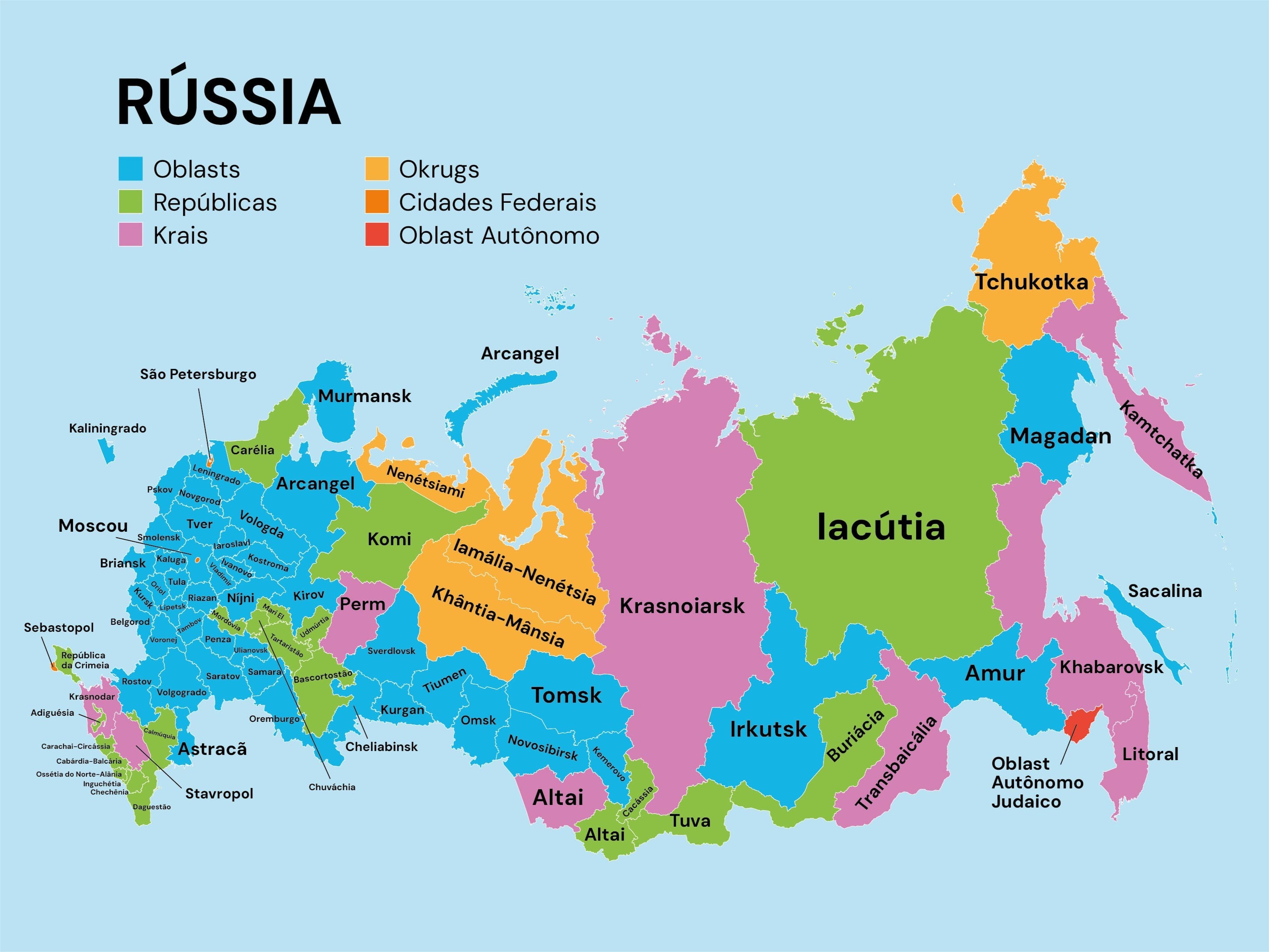
Moscow just took over the local operations of global giants Nestle and Auchan, placing their massive Russian footprints under state-administered control. If you thought foreign corporations could slowly wind down their Russian investments on their own terms, Thursday night’s presidential decree proved you completely wrong.
President Vladimir Putin signed an order shifting local assets belonging to Swiss food conglomerate Nestle and French retail giant Auchan into temporary state-managed control. This isn't just bureaucratic red tape. It is a calculated power grab that follows a well-worn playbook used previously against major international firms like Danone and Carlsberg.
The Playbook Behind the Seizures
Back in 2023, the Kremlin passed a specific law allowing authorities to seize businesses linked to what Moscow defines as "unfriendly countries." Under this mechanism, external management steps in first. What happens next rarely looks good for the original owners. In past cases involving Danish brewer Carlsberg and French dairy group Danone, temporary administration quickly morphed into forced sales, handing valuable industrial infrastructure over to local buyers at massive, government-mandated discounts.
Kremlin spokesman Dmitry Peskov didn't mince words when explaining the rationale behind the move. He pointed straight at European nations supporting Ukraine, accusing companies from those regions of actively backing hostile actions against Russia and supporting strikes on civilian economic infrastructure. According to Moscow, corporate neutrality stopped being an option long ago.
Alongside Nestle and Auchan, the decree targets several other high-profile European entities. These include logistics firm BATI Group, French logistics provider FM Logistic, and Le Monlid, the operator behind the massive Russian DIY retail chain Lemana Pro (formerly known as Leroy Merlin). All of these diverse local entities now answer to a single designated management firm called L.E.V. Management.
Corporate Reactions and the New Reality
Nestle, headquartered in Vevey, Switzerland, released a cautious statement noting they are actively assessing the decree. The company emphasized its commitment to protecting its rights and maintaining business continuity for local employees. Meanwhile, representatives for Auchan remained tight-lipped with no immediate public comment.
The corporate exodus from Russia following the full-scale invasion of Ukraine in 2022 looked chaotic from the outside, but it followed strict financial guardrails for those who acted early. Companies that chose to stay or slowly scale back operations now face an entirely different set of rules. Moscow has made exiting the country extraordinarily expensive. Firms must navigate steep government exit taxes, mandatory steep discounts on asset sales, and direct approval from a special government commission.
What This Means for Multinational Strategy
If you run a multinational corporation with lingering ties to sanctioned or restricted markets, this latest development offers a stark wake-up call. Gradual exit strategies carry massive structural risks when host governments decide to accelerate the timeline. Assets sitting in foreign jurisdictions can vanish from your balance sheet overnight under the banner of national security or retaliatory state policy.
The writing is on the wall for any remaining foreign brand trying to maintain a foot in both camps. When geopolitics overrides commercial contracts, legal protections dissolve into empty words. Keep a close eye on how L.E.V. Management handles these newly absorbed retail and manufacturing assets, because they will signal exactly how the next wave of corporate expropriations will unfold.