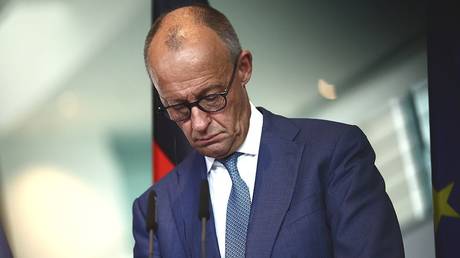
Michael O'Leary built an entire empire on saying things he probably shouldn't have. For decades, the Ryanair chief executive treated public outrage like free advertising. He survived seat taxes, standing-room-only aircraft proposals, and endless passenger complaints by leaning into his reputation as aviation's ultimate villain. But last week in Dublin, he crossed a line that even his thick-skinned brand strategy couldn't protect.
He compared the high ticket prices of rival airlines like British Airways, Lufthansa, and Aer Lingus to "rapists".
It wasn't a slip of the tongue. When journalists pressed him at a press conference ahead of the company's annual general meeting, he doubled down. He insisted the language was completely appropriate. He went as far as sending an open letter accusing the Dublin Rape Crisis Centre of making false and defamatory claims when they demanded an apology.
That defiance lasted ten days.
The Cost of Careless Words
The backlash was immediate and fierce. Politicians across Ireland and the UK condemned the remarks, calling them callous and damaging. Survivors' groups pointed out an obvious truth that O'Leary chose to ignore. High-profile billionaires treating sexual violence as a colorful descriptor for corporate pricing does real damage. It normalizes language that trivializes trauma.
Rachel Morrogh, chief executive of the Dublin Rape Crisis Centre, led the charge against his defense. She noted that vulnerable people called crisis hotlines in distress following the remarks. Instead of recognizing the gravity of the situation, O'Leary initially chose a fight.
Executives often think they can weather any storm by waiting out the news cycle. That tactic works when you are arguing about baggage fees or legroom. It fails completely when you alienate survivors of violent crime.
A Rare U-Turn
On a Friday evening broadcast by Virgin Media News, the tone shifted entirely. O'Leary appeared on screen to issue a full and unreserved apology.
He admitted that conversations with family, friends, and colleagues over the preceding ten days finally opened his eyes to the real damage he caused. He conceded that his careless choice of words caused deep upset to victims and survivors.
"I want to apologise, sincerely and unreservedly, to those people, especially to the survivors," O'Leary stated in the video. "I am truly sorry for the offence and upset I've caused you, by my careless use of those words. It won't happen again".
For a man famous for never backing down, the pivot was jarring.
What This Means for Corporate Accountability
CEOs love shock value. Edgy marketing stunts generate headlines, and headlines drive clicks. Ryanair mastered this playbook for years, turning cheap flights and provocative media moments into dominant market share.
Yet, there is a massive chasm between being a corporate maverick and crossing into social harm. When business leaders use inflammatory metaphors involving sexual violence to score points against competitors, they lose the right to hide behind the "shock jock CEO" persona.
O'Leary's apology closes this specific chapter, but the fallout lingers. It serves as a stark reminder to corporate boards everywhere. Edgy marketing has an expiration date, and basic human empathy remains non-negotiable.
Watch how executives communicate. Real leadership means knowing when to stop talking and start listening.
Calls for Ryanair's Michael O’Leary to apologise after calling rival airlines "rapists"
This video details the initial backlash and the mounting pressure from advocacy groups that ultimately forced the Ryanair CEO to reverse his stance.
http://googleusercontent.com/youtube_content/1