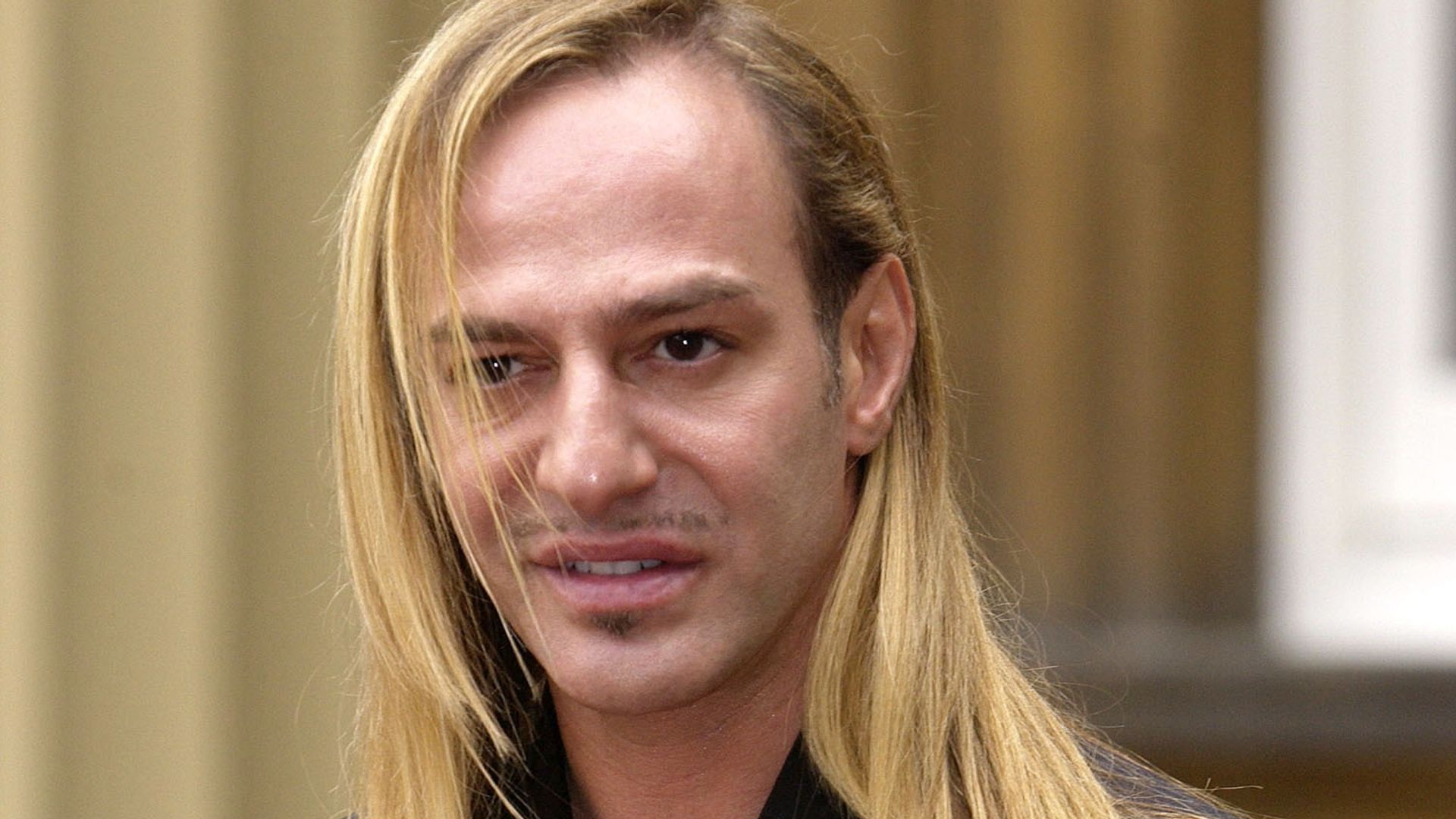
The fashion world loves a redemption arc. It just doesn't love it when the receipts are too fresh to ignore. The Metropolitan Museum of Art planned to dedicate its marquee 2027 Costume Institute exhibition to British designer John Galliano. That plan didn't survive a month. Following severe backlash from New York politicians, Jewish leaders, and museum donors, the exhibition titled John Galliano: Horizons was officially shelved.
If you thought cultural institutions could smoothly rehabilitate disgraced icons by pairing them with a high-profile red carpet, you were wrong. The backlash caught up fast.
The Backlash That Broke the Blueprint
Back in August, the announcement of the Galliano retrospective sparked immediate friction. Critics didn't have to dig deep into archives to remember why. In 2011, a French court convicted Galliano of a hate crime after viral footage captured him hurling vicious antisemitic and racist slurs at patrons in a Paris cafe, shouting "I love Hitler" and mocking the victims. Dior dropped him immediately. His career looked dead.
Yet fashion insiders, led heavily by Met trustee Anna Wintour, spent the next decade orchestrating a slow-motion comeback. Wintour helped secure his position at Maison Margiela, where he spent a successful decade before stepping down in 2024. The 2024 documentary High & Low - John Galliano attempted to package his downfall and recovery into a neat, sympathetic narrative of a man battling a triple addiction to alcohol, sleeping pills, and Valium.
Museum curators thought the Met Gala exhibition would be the final, triumphant stamp on that rehabilitation. They miscalculated.
Opposition grew louder by the day. New York City Council Speaker Julie Menin sent a blistering letter to museum leadership, calling the planned honor a "gut punch to the Jewish community" at a time when antisemitism is visibly surging. Donors reportedly threatened to pull their money. Public funding recipients face basic standards of civic tolerance, and politicians made it clear that celebrating a convicted hate-crime offender crossed a bright red line.
Accountability Versus Erasure
Galliano pulled the plug himself, releasing a statement on Instagram admitting it was best for the show not to proceed. He stated he remains fully accountable for the pain caused to the Jewish and Asian communities and acknowledged that institutional recognition cannot replace genuine atonement.
Wintour praised his decision as "very courageous," standing by her longtime friend. Meanwhile, museum director Max Hollein and Costume Institute curator Andrew Bolton defended the original intent. They argued that museums carry a responsibility to examine difficult histories with rigor.
There is a real argument buried here about whether cultural spaces should ever freeze out artists permanently. Design history cannot easily erase Galliano's radical, theatrical genius at Dior and Givenchy during the 1990s and 2000s. He changed how clothes moved on bodies. He defined an entire era of runway shock and awe.
But public museums funded by the public aren't private galleries. When an institution attempts to honour a living creator whose worst moments involved direct, vicious bigotry against marginalized groups, the friction is inevitable. Sobriety and recovery matter, but they don't automatically erase public accountability or buy a free pass to the highest platform in American fashion.
The Met is now forced back to the drawing board to find a new theme for the 2027 gala. Expect them to choose something far safer next time.


