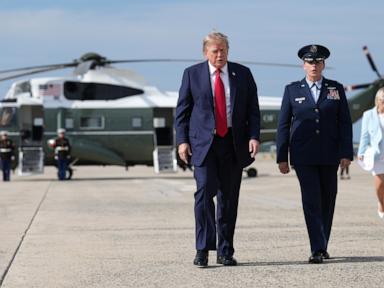
Air traffic controllers and presidential helicopter pilots sat down to talk radio failures just seven days before a near-miss at Ronald Reagan Washington National Airport. They knew communications were broken. They failed to fix them anyway.
The National Transportation Safety Board laid out the troubling timeline in a preliminary report covering the August 4 incident. A commercial jetliner and Marine One nearly crossed paths due to radio silence. Officials insisted the president was never in real danger, but the breakdown highlights deep vulnerabilities in busy airspace.
The Breakdown in Protocol
Under standard procedures dating back to 2013, the military is supposed to give air traffic controllers a three-minute warning before Marine One departs from the White House area. This notice lets towers manage local traffic and clear conflicting routes.
On August 4, that warning never registered properly.
The Marine One pilot tried to transmit the crucial message. On tower recordings, the pilot stated the helicopter was "three minutes to life." But the controller on duty reported that the transmission sounded broken and unreadable.
Desperate to get word through, the flight crew attempted to relay the three-minute warning through a secondary facility at Joint Base Anacostia-Bolling. That fallback plan failed too.
Why Previous Warnings Fell Flat
Just one week prior, local controllers and Marine helicopter pilots held a formal meeting specifically to address these exact radio hurdles. Both sides recognized that standard direct calls frequently failed. They agreed on a workaround, routing messages through secondary relay points when direct frequencies dropped out.
On the day of the flight, that backup plan collapsed.
The tower controller expressed genuine surprise when Marine One lifted off without a clear prior notice. Audio captures the controller asking, "Uh, Marine One, you said, uh, you're proceeding as briefed?"
Minutes later, a commercial jet was allowed to take off on a conflicting route. The setup mirrored hazardous conditions that regulators have tried to eliminate following past tragedies.
The Shadow of Prior Disasters
Airspace safety around Reagan National has faced immense scrutiny following recent catastrophic events. A midair collision near the busy airport killed 67 people, prompting the Federal Aviation Administration to enforce strict new rules. Under current directives, all takeoffs and landings must halt whenever a helicopter crosses a conflicting route.
Investigators also pointed out older structural problems. During previous congressional hearings, lawmakers discovered that a dedicated hotline connecting the Pentagon directly to the Reagan tower had been broken for over three years without anyone noticing.
When high-profile military transport and commercial airliners share heavily congested skies, marginal radio setups create unacceptable risks.
Fixing these systems requires more than meetings that yield unverified backups. Direct, redundant channels must work every single time a presidential flight departs.
Review the breakdown of the Marine One radio warning incident to understand the communication failures leading up to the NTSB report.
http://googleusercontent.com/youtube_content/1