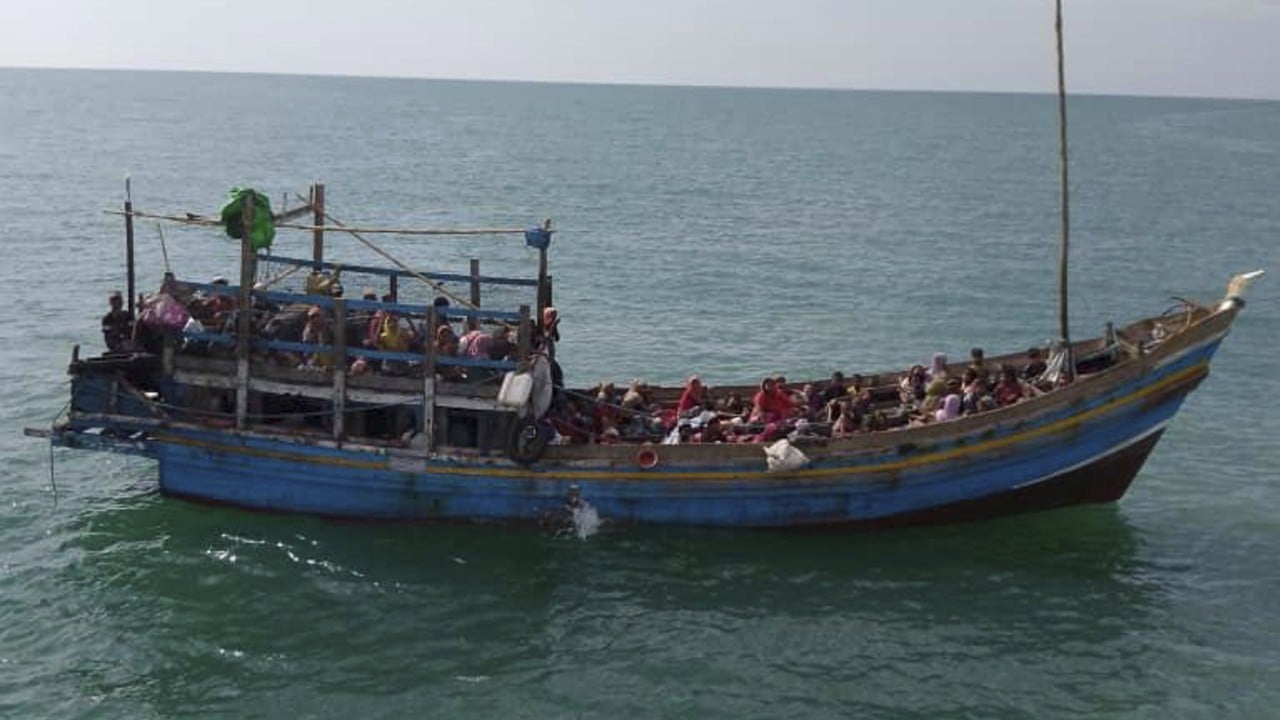
Malaysia just made a move that leaves over 200,000 displaced people hanging in the balance.
The government ordered the United Nations High Commissioner for Refugees (UNHCR) to halt all new refugee registrations. Foreign Ministry officials claim this freeze is necessary to let the state roll out its own tracking database, known as the Dokumen Pendaftaran Pelarian (DPP). They want direct control over who gets recognized and who stays.
It sounds like standard bureaucratic restructuring on paper. On the ground, it's a disaster waiting to happen.
By shutting off UNHCR registration before a fully functional, legally sound domestic protection system exists, Malaysia is pushing tens of thousands of newly arrived asylum seekers into complete lawlessness. Without even a basic UN recognition paper, these people turn into invisible targets for police extortion, arbitrary arrests, and immediate deportation back into active war zones.
The Blueprint Behind the Freeze
This halt didn't happen in a vacuum. Putrajaya has spent years complaining that UNHCR operates like a parallel government inside Malaysian borders. Because Malaysia never signed the 1951 UN Refugee Convention, official policy treats every single refugee as an illegal migrant.
For decades, the UN card was a delicate compromise. It didn't grant legal work rights or formal citizenship pathways, but it usually bought refugees protection from immigration raids.
Now, the government wants to scrap that middleman.
Under the new DPP framework—developed alongside national tech agency MIMOS Berhad—the state collects biometric data directly to create a centralized register. Deputy Foreign Minister Lukanisman Awang Sauni told the Senate that taking over registration allows the state to manage identity verification and national security without relying on foreign entities.
The official goal is clear. Putrajaya wants total administrative authority over every non-citizen in the country.
What the Government Missed
Taking over refugee management requires clear legal protections, transparent appeals, and trained personnel. Malaysia doesn't have those in place yet.
Right now, the DPP system isn't even open to newly arrived asylum seekers walking the streets. The first phase focuses almost entirely on refugees already locked inside immigration detention centers.
Think about what that creates.
Anyone fleeing violence in Myanmar or persecution in the Middle East who arrives today cannot register with the UN. They also cannot walk into a Malaysian government building to apply for a DPP card.
They exist in total legal limbo.
Community leaders from the Alliance of Chin Refugees have already warned that forcing people into the shadows only escalates security risks for everyone. When desperate families can't register anywhere, they become prime targets for human traffickers, corrupt officials demanding bribes, and underground crime rings.
The Real Impact on Malaysia's Economy
There is a huge contradiction sitting right at the center of this policy.
Malaysia relies heavily on refugee labor to run its basic infrastructure. Over 215,000 registered refugees live in the country, and nearly nine out of ten come from Myanmar. They work in construction, fill factory shifts, harvest crops on agricultural estates, and scrub floors in commercial buildings. These are the dangerous, dirty, and difficult jobs local citizens routinely turn down.
Without recognized papers, these workers lose what little bargaining power they had.
Employers who want cheap, compliant labor will profit from a workforce that cannot report wage theft or abuse without risking immediate arrest. Businesses that try to hire legally face complete confusion over which documents are valid.
Crackdowns are already ramping up. In mid-July 2026, security forces deployed over 870 officers across 18 locations nationwide, sweeping up hundreds of foreign workers. Pushing refugees further into hiding doesn't eliminate the labor force—it just makes it completely unregulated.
Forced Returns and Human Rights Concerns
The timing of this registration suspension makes the humanitarian outlook far worse.
The Malaysian government announced plans to prepare naval vessels to deport roughly 5,000 Myanmar nationals currently held in detention facilities. Sending people back to a country ruled by a military junta violates the fundamental international principle of non-refoulement, which forbids returning individuals to places where they face torture or death.
Human Rights Watch pointed out that the DPP initiative lacks fundamental safeguards. There is no independent oversight, no clear criteria for who qualifies for protection, and no formal privacy guarantees for sensitive biometric data.
Instead of a genuine protection framework, the registration halt looks more like a surveillance expansion designed to make life unlivable for displaced communities.
Realistic Steps Needed Right Now
Shutting down UN registrations without a working legal substitute solves nothing. If Putrajaya genuinely wants to secure its borders while managing asylum seekers responsibly, it needs to shift tactics immediately.
- Establish a clear transition window: Allow UNHCR to continue registering new arrivals alongside local authorities until the DPP system is fully operational for the public.
- Enact clear refugee legislation: Pass basic legal provisions that distinguish asylum seekers from irregular economic migrants, giving recognized refugees a temporary right to work legally.
- Provide public access to DPP registration: Move the DPP program beyond detention centers so newly arrived families can self-report without fear of immediate imprisonment.
- Halt forced deportations to Myanmar: Stop plans to naval-ship detainees back to active conflict zones, respecting international norms on human rights.
- Partner with community leaders: Work directly with refugee community organizations to distribute accurate information and prevent extortion scams.