Trying to budget your life when your employer hands you a random schedule every week is basically impossible. You cannot plan childcare, pay rent on time, or take a night class. Los Angeles fast food workers have lived with this chaos for years, but things are shifting. The Los Angeles City Council recently voted 10-2 to advance a proposal extending protections under the city's Fair Work Week framework straight to the fast-food sector.
Over 50,000 workers stand to gain predictable shift advances and paid labor rights training. Critics argue it places an unfair burden on restaurant operators struggling with high costs. Workers say it is long overdue basic human dignity. Let us break down what is actually happening on the ground and why this policy matters.
The Reality of Erratic Scheduling in Los Angeles
Imagine getting your work schedule just three days before your shift starts. Then, your manager cuts your hours halfway through your shift because foot traffic drops. Your paycheck shrinks unpredictably. You still have to pay your full electric bill.
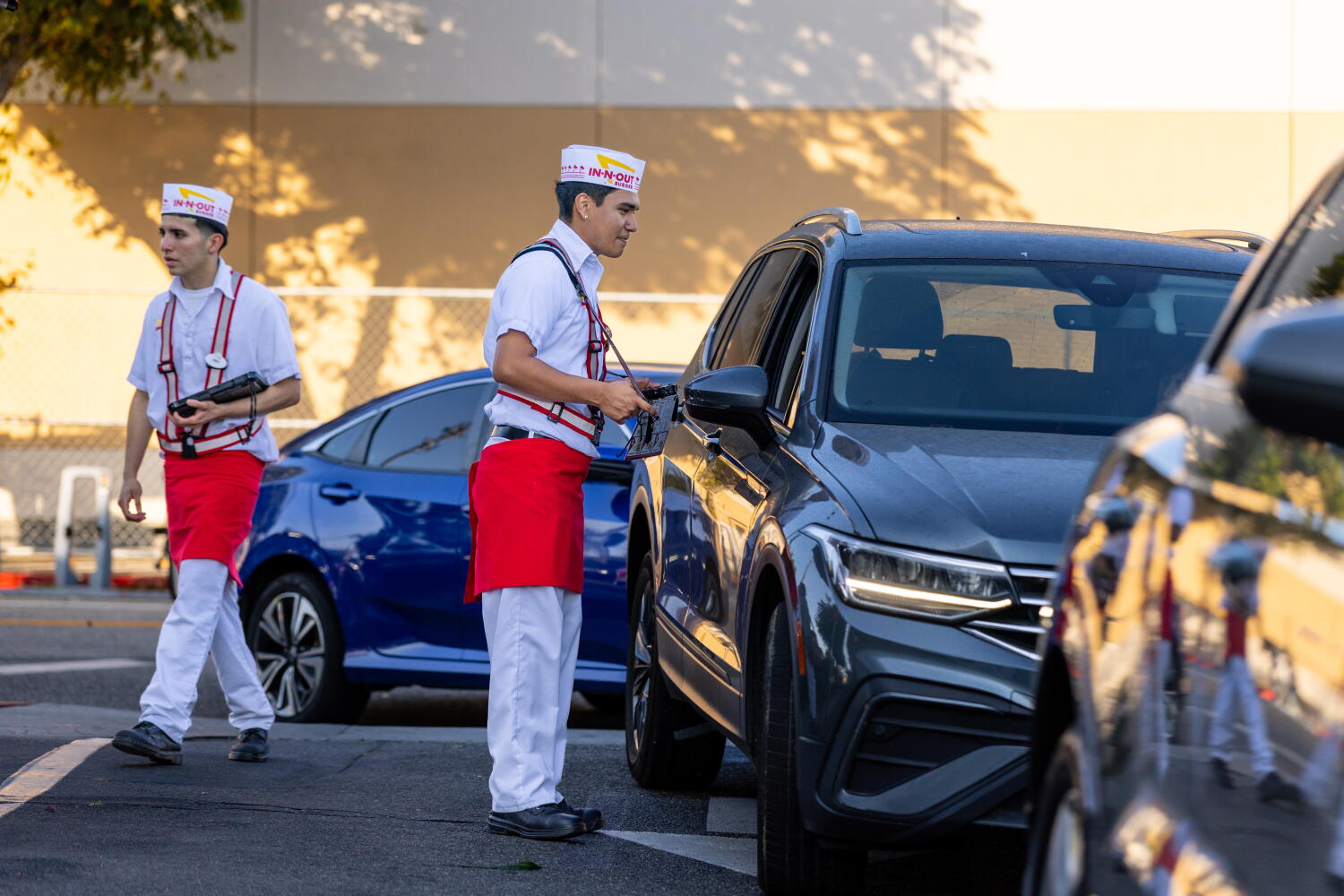
This is the standard reality for thousands of people flipping burgers, running drive-thrus, and brewing coffee across Los Angeles. Most of these workers are women from immigrant communities. They juggle multiple jobs and caregiving duties. Sudden schedule changes destroy any chance of stability.
When city lawmakers talk about expanding the Fair Work Week Ordinance, they are targeting this exact instability. Advance notice requirements mean restaurants would have to post schedules weeks ahead. If they change shifts last minute, they might have to pay penalty wages.
What the Proposed Protections Actually Include
The proposal moving through city hall isn't just about scheduling. It covers critical operational shifts for major chains.
First, advance notice is mandatory. Employers would need to provide schedules well in advance so workers can organize their lives.
Second, predictability pay comes into play. If a manager alters a shift with short notice, extra compensation kicks in.
Third, paid labor rights training enters the picture. Workers need to know their rights under California labor law. Too many employees suffer wage theft or unsafe conditions because nobody tells them what is legal and what is illegal. Requiring paid time for training ensures workers actually show up to learn their protections.
Pushback From Business Groups and Restaurant Owners
Business owners are furious. Groups representing franchise owners argue that fast food margins are razor-thin. They claim mandatory schedule predictability strips away the flexibility needed to run a busy kitchen. If a heatwave hits or a major concert draws thousands of customers, owners want the freedom to call in extra staff instantly without facing financial penalties.
Opponents also point out that California already passed historic minimum wage bumps for fast-food workers. Adding strict scheduling mandates could force restaurants to cut hours further or automate more jobs away.
Yet, labor advocates argue that business flexibility should not come at the expense of human stability. You cannot treat human beings like interchangeable machinery that powers up only when needed.
Why This Matters Beyond Los Angeles
Los Angeles sets labor trends for the entire country. When the city council votes to expand worker protections, other major metropolitan areas watch closely. Cities like New York, Chicago, and Seattle have experimented with similar fair workweek rules for retail and hospitality. Expanding them into fast food creates a massive legal blueprint.
If you run a franchise in Southern California, you need to prepare now. Ignoring labor trends or hoping opposition groups will kill the ordinance entirely is a bad strategy.
Take a hard look at your scheduling software. Shift management needs an upgrade. Moving away from manual, last-minute scheduling will save you from heavy fines once these rules become permanent law.
Talk to your shift managers. Train them on advanced planning. Build a predictable operation that respects your team. Stability keeps good workers around longer. Turnover costs money anyway.
Plan ahead, respect your crew, and adapt before the city forces your hand.