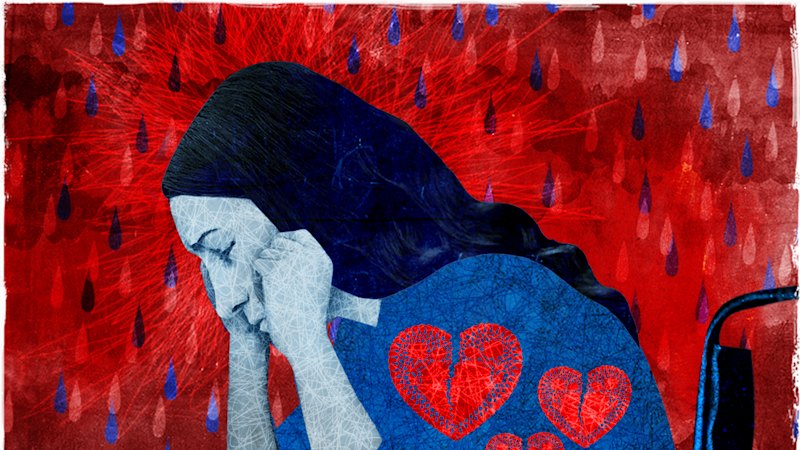
The trial of Lindsay Clancy is gut-wrenching. It’s the kind of case that stops you in your tracks, forcing you to look at the intersection of motherhood, mental health, and the cold reality of criminal law. In January 2023, a former labor and delivery nurse from Massachusetts killed her three young children—Cora, 5, Dawson, 3, and 8-month-old Callan—using exercise bands before attempting to take her own life.
Now, as her murder trial unfolds in 2026, the courtroom is divided. Prosecutors see a calculated killer who planned her actions. The defense sees a woman lost to the terrifying, distorted reality of postpartum psychosis.
Basically, the jury has to answer a question that haunts us all: Can a mother be a murderer, or is she simply a victim of her own broken brain?
Understanding the Medical Reality
Postpartum psychosis isn't just "baby blues" or even typical postpartum depression. It is a rare, severe condition that typically strikes within the first few weeks after childbirth. It involves a complete break from reality. Women can experience vivid, often violent hallucinations or delusions. They might believe they are saving their children from some imaginary torment or that they are being commanded by voices to commit acts that are completely foreign to their actual character.
The prosecution in this case argues that Clancy’s actions were premeditated. They point to her decision to send her husband, Patrick, on errands—picking up takeout and children’s medicine—as evidence that she cleared the path to act. They highlight that she was capable of performing "normal" tasks that day, like taking her daughter to the doctor and playing in the snow, as proof she knew exactly what she was doing.
But those who treat these conditions know that "normalcy" can be a facade. A person in a psychotic state doesn't necessarily walk around talking to thin air. They can be incredibly good at hiding the internal war they’re fighting.
The Problem with the Legal System
The legal system is built on the idea of mens rea, or "guilty mind." It assumes that most defendants understand the nature and wrongfulness of their actions. The insanity defense, which the defense is using here, is meant for those who are so mentally unwell that they literally cannot appreciate that what they’re doing is wrong or against the law.
The issue is that states across the U.S. have been tightening their stance on this. Four states have already abolished the insanity defense entirely. In the eyes of many prosecutors, mental illness is not a "get out of jail free" card. If you pulled the trigger, if you tightened the knot, you’re guilty.
Critics of this hardline approach argue that we are failing to recognize the biological reality of postpartum psychosis. It’s a medical emergency. When a mother’s brain is flooded with hormones and sleep deprivation, and then potentially further complicated by an over-medication of psychiatric drugs—a point the defense has raised regarding Clancy’s disjointed care—the line between "criminal intent" and "medical tragedy" becomes dangerously blurred.
Looking Beyond the Headlines
It’s easy to judge from afar. It’s easy to demand a guilty verdict when the outcome is this horrific. However, we have to ask why this keeps happening. The Clancy case isn't an isolated event. It brings to mind cases like Andrea Yates, whose 2001 drowning of her five children eventually led to a verdict of not guilty by reason of insanity.
The pattern is often similar:
- A mother shows signs of distress.
- She seeks help from the medical system.
- The system fails to provide the right level of care or ignores the escalating symptoms.
- A catastrophic event follows.
Clancy and her ex-husband have actually filed lawsuits against their medical providers, alleging that the system failed them. They claim their warnings about her deteriorating state weren't taken seriously enough.
What This Means for You
You might think this has nothing to do with your life. You’re wrong. The way our society handles maternal mental health affects everyone. If we treat every tragedy as a simple criminal case, we ignore the urgent need for better postpartum screening, more integrated care, and a deeper understanding of how these conditions manifest.
If you or someone you know is struggling after childbirth, don't wait for a "psychotic break" to take it seriously. Red flags aren't always dramatic. They can be:
- Sudden, intense feelings of detachment from the baby.
- Uncontrollable, intrusive thoughts about harm.
- Severe insomnia or a feeling that your mind is "damaged."
- A belief that you or the baby are in immediate, mystical, or imaginary danger.
The Lindsay Clancy case will eventually end with a verdict. A jury will decide if she goes to a prison or a psychiatric facility. But the real trial is the one we’re all watching—a test of how much our society is actually willing to understand about the limits of the human mind under extreme biological stress.
Don't ignore the warning signs. Advocate for real mental health resources. Whether it’s postpartum depression or the terrifying onset of psychosis, silence is the enemy. Seek help from a professional who specializes in perinatal health—not just a general practitioner. Take every mention of "harming" seriously, no matter how small it seems. Your life and the lives of those you love could depend on it.