Farming has an image problem in East Africa. For decades, young people in Kenya watched their parents toil under the hot sun for meager returns, rural poverty, and endless backbreaking labor. Naturally, they packed their bags and headed to Nairobi, Eldoret, or Mombasa in search of white-collar office jobs, tech gigs, or riding motorcycle taxis. Who can blame them?
Yet, the state is trying to reverse this urban migration. The Kenyan government is launching serious initiatives to make agriculture sexy, digital, and profitable for the tech-savvy generation. They aren't just handing out tractors and telling kids to go plant maize. They are injecting technology, financial backing, and modern agribusiness models into a sector that desperately needs fresh blood.
If you think farming is just about a hoe and a muddy pair of boots, you are missing the entire economic shift happening right now.
The Real Problem With Kenyan Farming
Most youth don't hate working. They hate losing money. Traditional smallholder farming in Kenya has historically been plagued by unpredictable rainfall, exploitative middlemen, zero access to cold storage, and expensive inputs like fertilizer and seeds.
When you spend four months growing tomatoes only to sell them at rock-bottom prices because you have no way to preserve them or transport them to a fair market, you quit. You do not go back for round two.
The government's new push acknowledges this harsh reality. Officials are realizing that lecturing youth about patriotism won't put food on their tables or pay rent. To get young Kenyans back into agriculture, the system has to pay better than driving a motorcycle taxi or hustling online.
Digital Innovation Meets the Shovel
Technology is changing how young Africans view the soil. Smart agriculture is taking root. Youth are stepping in with mobile apps that diagnose crop diseases from a smartphone photo, drones that monitor soil health, and solar-powered irrigation systems that take the guesswork out of weather patterns.
Startups are connecting farmers directly to urban consumers, cutting out the corrupt middlemen who swallow all the profits.
"Agriculture is no longer just dirty work. It's becoming a data-driven business."
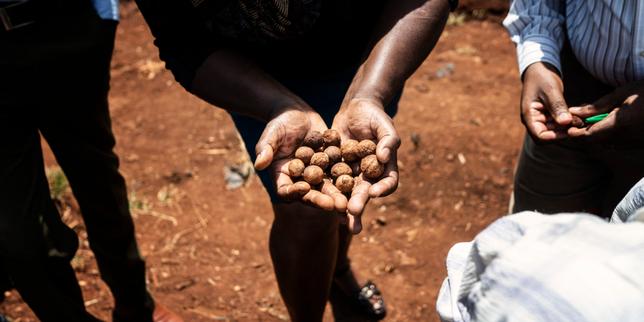
When you combine high-speed mobile internet with high-value crops like horticulture, avocados, and macadamia nuts, the financial picture changes completely. Young entrepreneurs are setting up hydroponic farms in urban backyards, growing strawberries and leafy greens in spaces the size of a living room, and making a killing supplying local supermarkets.
What the State is Actually Doing
Instead of empty promises, the state is rolling out specific institutional shifts to capture youth interest.
- Access to Capital: Specialized youth funds and agricultural credit guarantees are opening up. Banks that used to laugh young people out of the room for asking for a farming loan are now offering tailored financial packages.
- Value Addition Training: Workshops are popping up across counties to teach young people how to process raw goods into finished products. Don't just sell raw milk; make yogurt or cheese. Don't just sell coffee beans; package and brand your own roast.
- Land Reforms: Access to land has always been a massive barrier. Inheritance laws and cultural norms often lock young people out of owning the very dirt they want to farm. County governments are looking at leasing public land specifically to youth-led agricultural cooperatives.
The Pitfalls to Watch Out For
Let's be honest. Bureaucracy is slow. Corruption still eats up funds meant for grassroots development. Many youth-targeted programs sound amazing on a PowerPoint slide presented in Nairobi, but when you look at what actually hits the ground in rural counties, it is often too little, too late.
Another danger is treating agriculture as a silver bullet for youth unemployment. Farming is risky. Pests do not care about your business plan. Droughts happen. If young people jump into agribusiness expecting overnight riches without understanding the operational risks, they will burn out just like past generations.
Making Your Move in Agribusiness
If you want to jump into the Kenyan agricultural space right now, do not start by buying fifty acres of land. Start small.
Find a high-value, fast-harvest crop like herbs, mushrooms, or poultry. Test the local market before scaling up. Build relationships with restaurants or direct buyers instead of relying on open-air markets. Learn the supply chain inside out.
The land is there. The market is hungry. The tools are getting smarter. Stop looking for an office job that doesn't exist and build a business from the ground up.