Record-shattering rainfall doesn't politely wait for weekends to end. It hits when you're trying to catch a flight home, turning major transit hubs into sprawling indoor campsites overnight.
When the Japan Meteorological Agency slaps its absolute highest-level emergency warning on a region for the very first time, you pay attention. That is exactly what happened in Chiba Prefecture, east of Tokyo, where torrential downpours dropped an entire month's worth of typical August rain in just a matter of hours. The results were catastrophic, leaving at least four people dead, thousands trapped at Narita Airport, and an entire prefecture scrambling to cope with sudden, violent flash floods.
The Night Chiba Turned Into a Trap
If you've ever tried navigating Japan's railway system, you know it runs with terrifying precision. Until it doesn't.
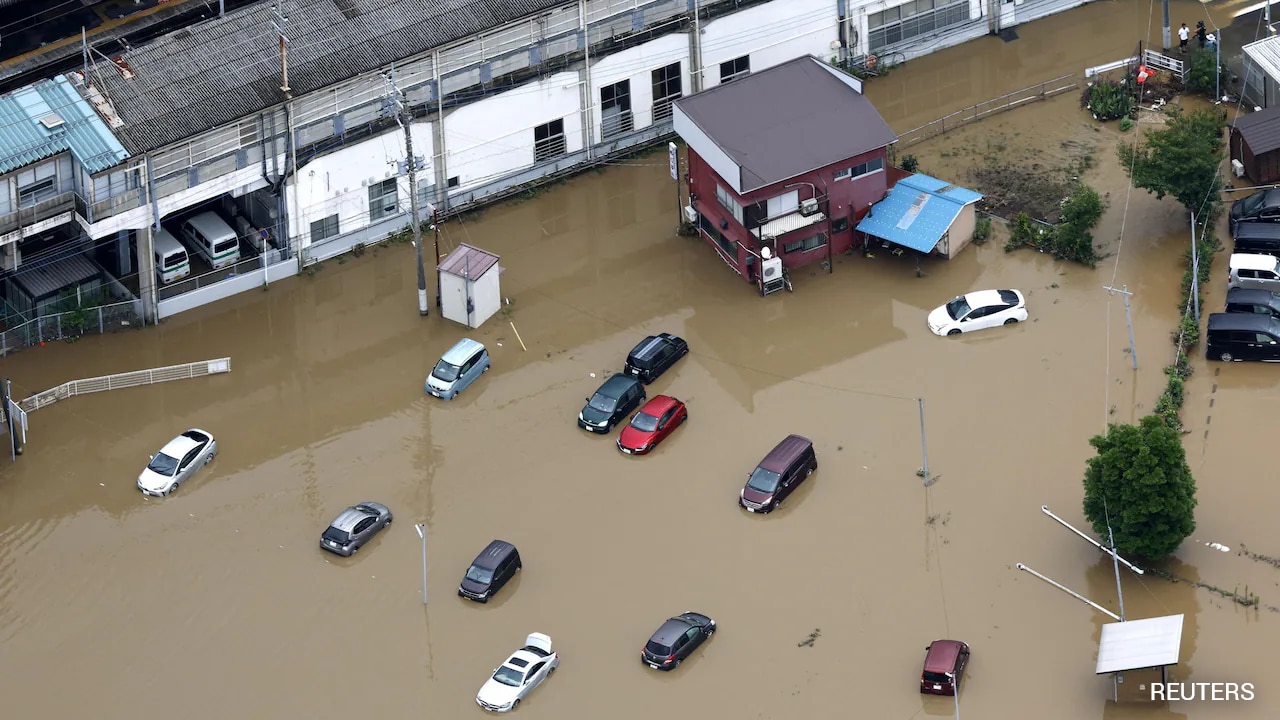
Over 360 millimetres of rain fell within a 24-hour window in parts of Chiba. In Chiba City and Sakura, hourly totals crossed the 11-centimetre mark, smashing historical records. Streets vanished beneath muddy water. Cars became metal tombs for drivers unable to escape rising currents.
Chiba Governor Toshihito Kumagai admitted to reporters that despite handling numerous regional disasters, he had never seen anything quite like this. Rescue teams pulled a man in his sixties or seventies from a flooded roadway and found a 66-year-old woman trapped inside her submerged vehicle. Other victims surfaced as floodwaters slowly receded, while emergency services worked through power outages affecting tens of thousands of homes.
Stranded at Narita and Left on Station Floors
The timing could not have been worse. The disaster struck right in the middle of Bon, one of Japan's busiest traditional holiday travel weeks.
Around 7,000 travellers found themselves completely cut off at Narita Airport. With rail lines and expressways shut down due to severe flooding and landslide risks, escaping the airport was impossible. Terminals turned into makeshift dormitories. Passengers queued up for emergency blankets, bottled water, and snacks provided by airport staff, eventually sleeping on terminal floors under foil emergency sheets.
Down the line at Soga station, thousands more spent an uneasy night on station tiles before Ground Self-Defense Force buses arrived at dawn to ferry people out. For tourists and returning locals alike, a routine transit leg turned into an unforgettable ordeal.
Why Extreme Weather Keeps Catching Us Off Guard
We love to label storms as "once-in-a-century" events, but that phrasing is losing its meaning. Climate scientists point out that warmer air holds significantly more moisture, supercharging localized downpours into destructive monsters.
When 115 millimetres of rain falls in sixty minutes—matching what a region usually expects across an entire month—infrastructure struggles to cope. Drainage channels overflow. Roads turn into rivers. Even a country as heavily engineered for natural disasters as Japan faces severe friction when nature rewrites the rules overnight.
As clean-up operations continue and authorities assess structural damage to homes and railways across Chiba, the takeaway is simple. Severe weather doesn't care about holiday schedules or transit efficiency. Keep an eye on local alerts, respect evacuation orders early, and never try to drive through a flooded intersection.