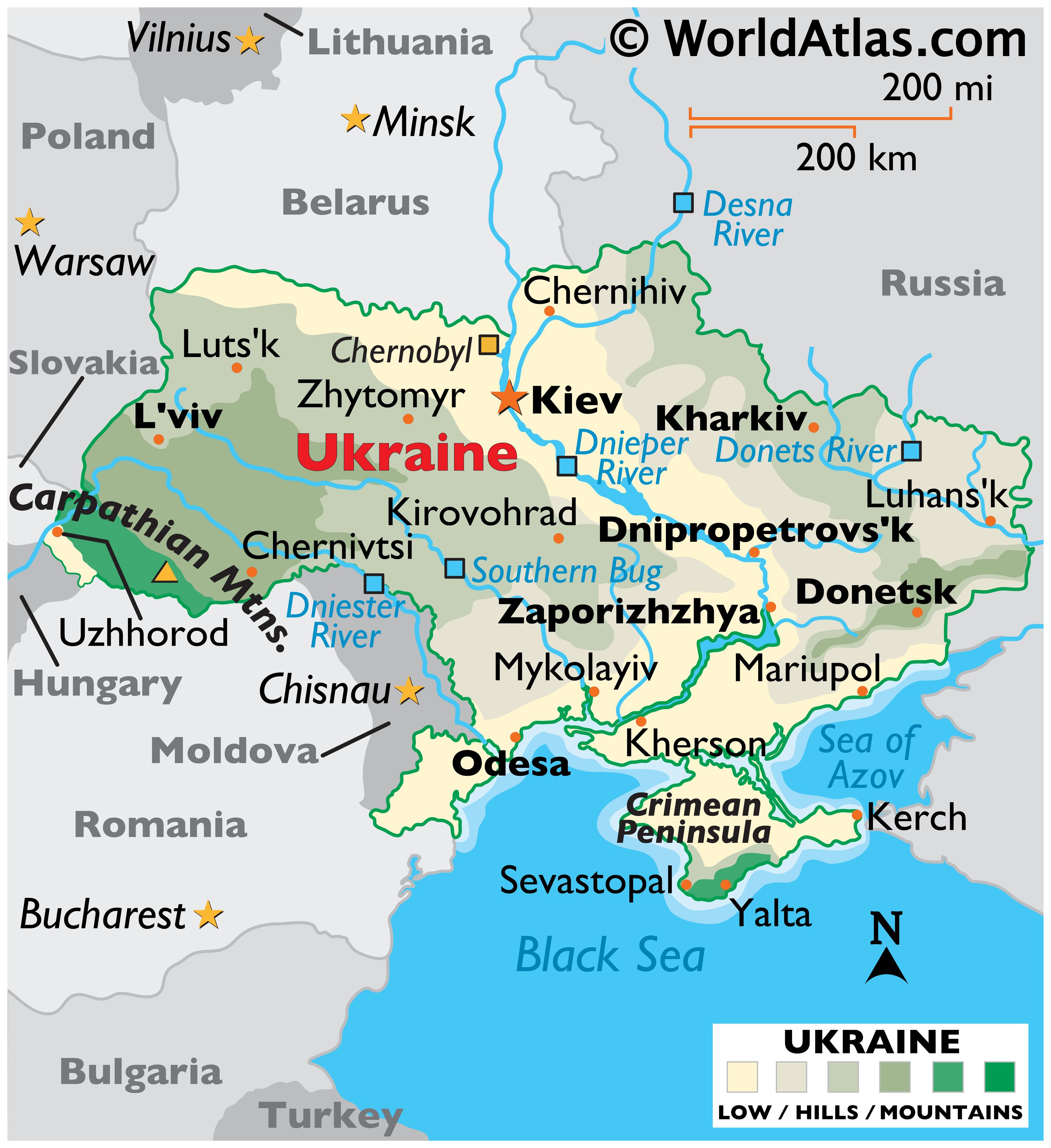
Walk onto the docks of the Natuna Islands and you will smell salt, diesel, and raw tension. Japan’s recent proposals to bankroll port modernizations and fisheries infrastructure in this remote Indonesian archipelago have set off quiet alarms in Beijing. Jakarta finds itself right in the middle of a high-stakes geopolitical tug-of-war.
Indonesia wants foreign investment and stronger sovereignty. Yet, President Prabowo Subianto's administration refuses to become a pawn in any anti-China coalition. Tokyo sees an opportunity to secure vital maritime shipping lanes and counter Beijing's sprawling "nine-dash line" claims without building a formal military base. China is already howling about foreign interference.
You need to understand why these tiny islands matter so much to global trade, regional defense, and the future of Southeast Asian diplomacy.
The Strategic Weight of the Natuna Islands
The Natuna Islands sit in the southern reaches of the South China Sea, right where Indonesia's exclusive economic zone brushes against China's expansive maritime claims. Roughly 80 percent of Japan's energy imports pass through these vital shipping corridors. If trade stops here, global supply chains shatter.
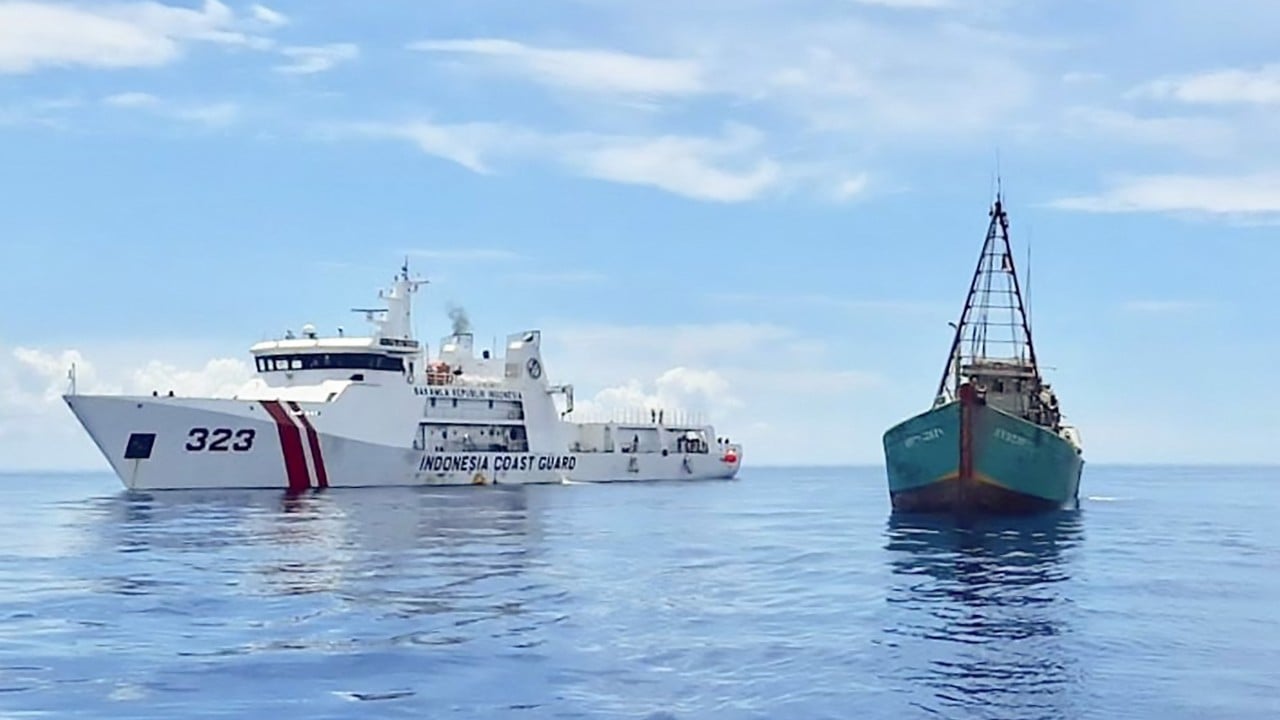
Tokyo knows this reality all too well. Through agencies like the Japan International Cooperation Agency, Japan has poured grant aid—such as funding for fish markets and wharf improvements in Ranai—into upgrading local maritime infrastructure. These upgrades aren't just about catching more tuna. They double as dual-use facilities capable of supporting Indonesian patrol vessels and coast guard operations.
Jakarta welcomes the cash. Years of illegal fishing and aggressive incursions by foreign vessels have left Indonesian authorities stretched thin. Accepting Japanese assistance helps modernize local defenses without requiring Indonesia to sign a binding military pact.
The Tightrope Walk in Jakarta
Indonesia has long practiced a "free and active" foreign policy. Leaders in Jakarta refuse to choose between Washington, Tokyo, and Beijing.
When Prabowo Subianto took office, he moved swiftly to stabilize relations with China while simultaneously welcoming economic and defense ties with Japan. In May, Indonesia and Japan signed defense cooperation agreements covering military training and technology exchanges. Beijing responded with predictable skepticism, branding Tokyo's infrastructure push as a Trojan horse meant to stoke regional friction.
Critics in Indonesia worry about walking too close to the fire. Balancing economic dependence on China with strategic security cooperation from Japan requires absolute precision. One misstep could trigger economic retaliation from Beijing or alienate regional partners in ASEAN.
What Comes Next for the Region
You shouldn't expect an all-out military confrontation tomorrow. Instead, watch the quiet gray-zone tactics play out on the water.
Indonesia is steadily boosting its military presence on the islands, deploying more personnel and hardware to guard its borders. Japan will likely continue funding civilian-military dual-use projects across Southeast Asia to secure its maritime lifelines. Beijing will keep pushing its economic integration strategies through initiatives like the Hainan Free Trade Port.
The game isn't about outright war. It's about who builds enduring economic and physical infrastructure first. Jakarta holds the keys to the territory, but Tokyo and Beijing hold the checkbooks. How Indonesia manages this balancing act will shape the economic and security reality of the Indo-Pacific for decades.
Japan Steps Up South China Sea Role, China Watches Closely
This video provides an in-depth look at how Japan's increased security cooperation and port assistance in Indonesia are shifting regional dynamics in the South China Sea.